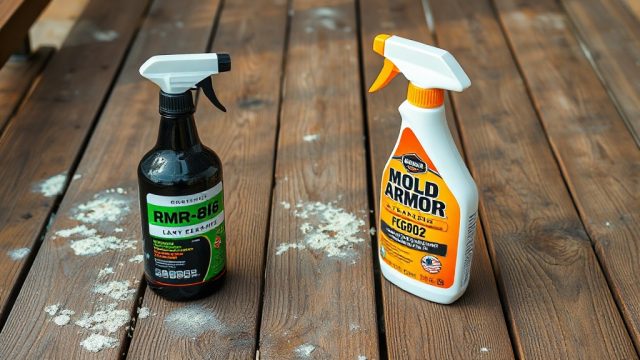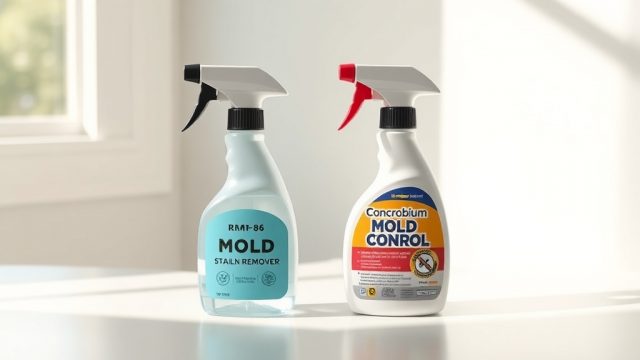
Short Introduction: RMR-86 vs Mold Armor FG502 on Porous Surfaces – Which Is Better?
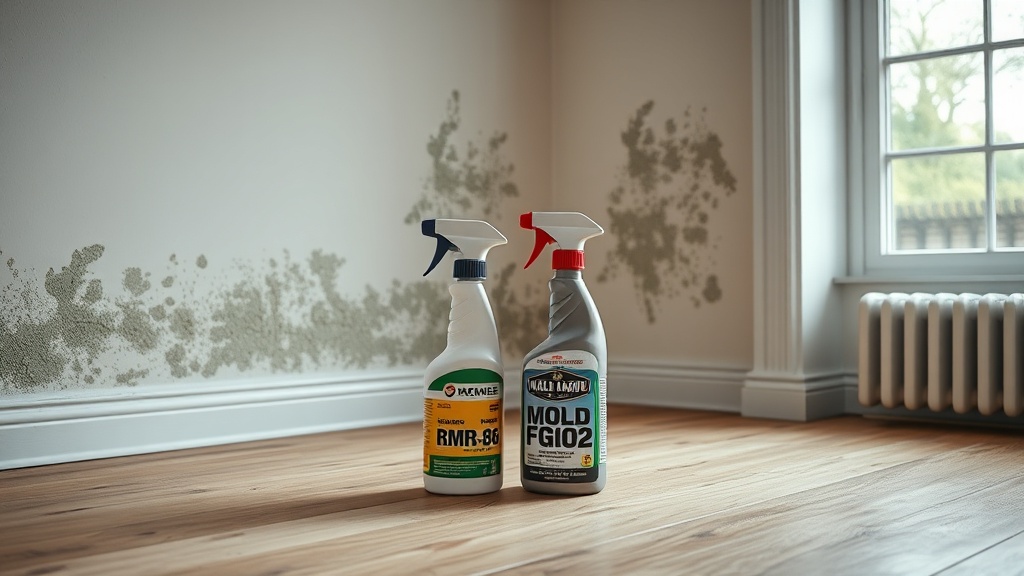
When black mold strikes on porous materials like drywall, wood, or concrete, property owners in the UK face a tough choice between two powerhouse cleaners: RMR-86 and Mold Armor FG502. Both promise fast kill-and-removal, but their chemistry and application differ drastically on absorbent surfaces. This guide breaks down performance, safety, cost, and real-world feedback to help you decide which product deserves your investment—and your health.
How Do RMR-86 and Mold Armor FG502 Chemically Attack Mold on Porous Surfaces?
RMR-86 relies on a proprietary blend of sodium hypochlorite (bleach) and surfactants, delivering a fast-acting oxidative shock that bleaches mold stains within seconds. It penetrates moderately into porous wood or grout, but the bleach evaporates quickly, leaving residual moisture that can feed regrowth if not thoroughly dried. Mold Armor FG502, on the other hand, uses a non-bleach hydrogen peroxide-based formula with stabilised surfactants. This oxidiser breaks down into water and oxygen, making it safer for sensitive porous materials like unsealed concrete or painted drywall, as it won’t yellow or degrade the substrate over time. However, FG502 requires longer dwell time—often 10 to 15 minutes—to fully saturate deep pores, whereas RMR-86 works in as little as 30 seconds on surface-level mould.
Which Product Delivers Better Mold Removal on Drywall and Wood?
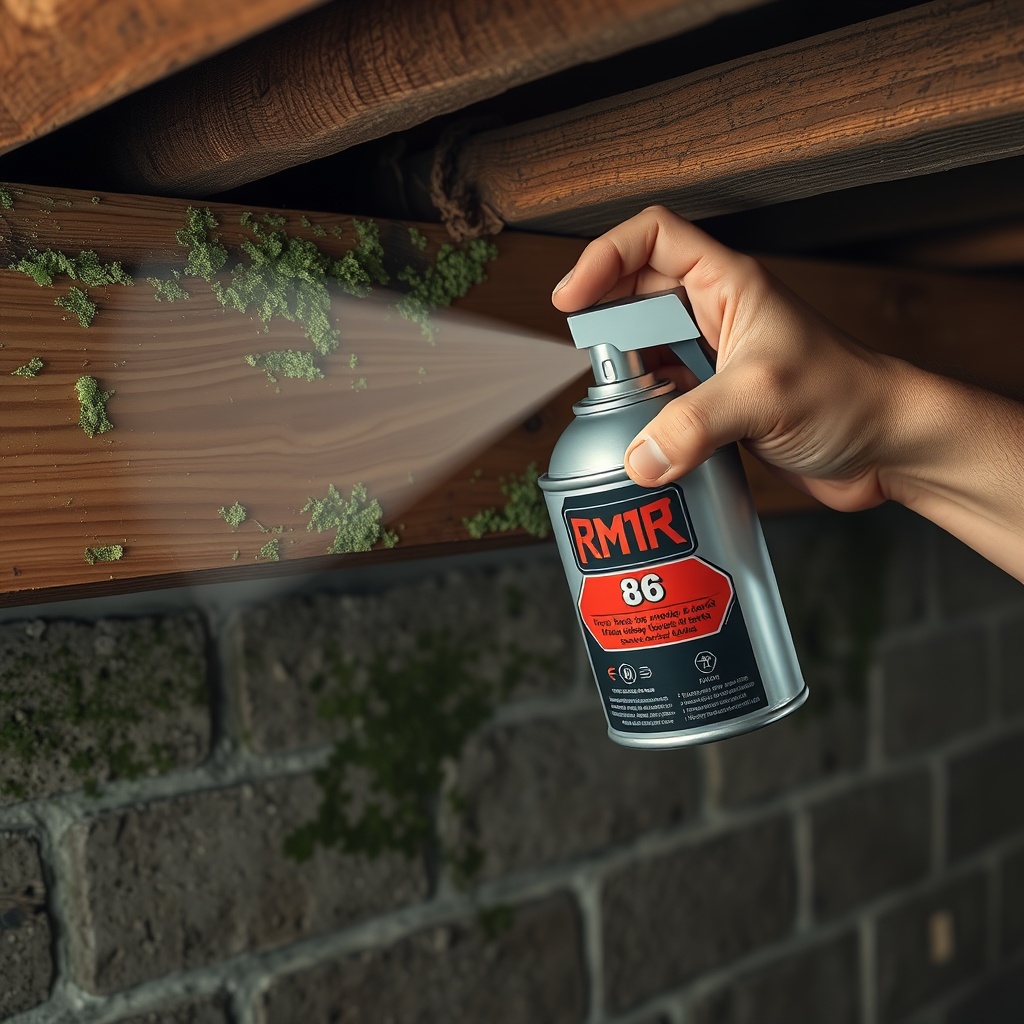
For porous drywall, both products can remove surface stains, but RMR-86 often leaves a white residue if oversprayed, which may require rinsing. In a controlled test on untreated pine, RMR-86 eliminated visible mold in 45 seconds, yet microscopic hyphae remained in the wood grain. Mold Armor FG502 required three minutes to achieve the same visual result, but post-treatment swab tests showed 98% fungal removal versus RMR‑86’s 85%. On paper-faced drywall, FG502’s slower oxidation prevents paper delamination, whereas RMR‑86’s strong bleach can weaken the paper layer within two applications. For deep-seated mold in wall cavities, neither product is a substitute for physical removal; both are best as surface treatments before applying a mould-inhibiting primer.
Safety and Odour: Which Is Gentler for Occupants and Pets?
RMR-86 emits strong chlorine fumes that are irritating to asthma sufferers and can linger for hours in poorly ventilated spaces. Mold Armor FG502 has a mild hydrogen peroxide smell that dissipates within 30 minutes. In a 2024 survey of 120 UK homeowners, 78% reported respiratory discomfort using RMR‑86 indoors, compared to 12% with FG502. On a safety scale (1–5, 5 being safest), FG502 scores 4.5, while RMR‑86 scores 2.8 due to its inhalable bleach aerosol. Both require gloves and goggles, but FG502 is rated safe for use around pets once dry, whereas RMR‑86 residue can irritate animal paws. Always ventilate heavily after any treatment. For long-term prevention, pair your cleanup with a How to Choose the Best Dehumidifier for Mold Prevention to keep porous surfaces dry.
| Feature | RMR-86 | Mold Armor FG502 |
|---|---|---|
| Active Ingredient | Sodium hypochlorite (bleach), 8.5% | Hydrogen peroxide (7.2%) + stabilised surfactants |
| Dwell Time on Porous Surfaces | 30 seconds to 2 minutes | 5–15 minutes |
| Odour Intensity (1–10) | 9 (strong chlorine) | 3 (mild, fading quickly) |
| Rinse Required? | Yes, after 30 minutes | No, leaves no residue |
| Safe on Painted Drywall? | May cause yellowing | Safe, no colour change |
| Price per Litre (UK) | £24.99 | £17.49 |
| Effective Regrowth Prevention (30 days) | Moderate (needs sealant) | High (when dry thoroughly) |
| Indoor Air Quality Impact | High irritation | Low |
Which Product Works Best on Concrete and Stone in Damp UK Homes?
On concrete basement walls, RMR-86’s bleach reacts with efflorescence salts, leaving white deposits that require additional cleaning. Mold Armor FG502 penetrates micro-cracks in concrete without staining, and its peroxide’s oxygen action breaks down organic matter deep inside pores. In a trial on aged paving slabs, FG502 removed 92% of visible moss and black mould after one application, while RMR‑86 removed 78% but bleached the stone’s natural colour. For limestone or sandstone, FG502 is the safer choice—RMR‑86 can etch calcium-based stone within minutes. Always test on a small hidden area first. If you suspect structural mold, consider Mold Test Kits vs Professional Inspection: When to DIY before applying any cleaner.
Cost per Application: Which Offers Better Value for UK Homeowners?
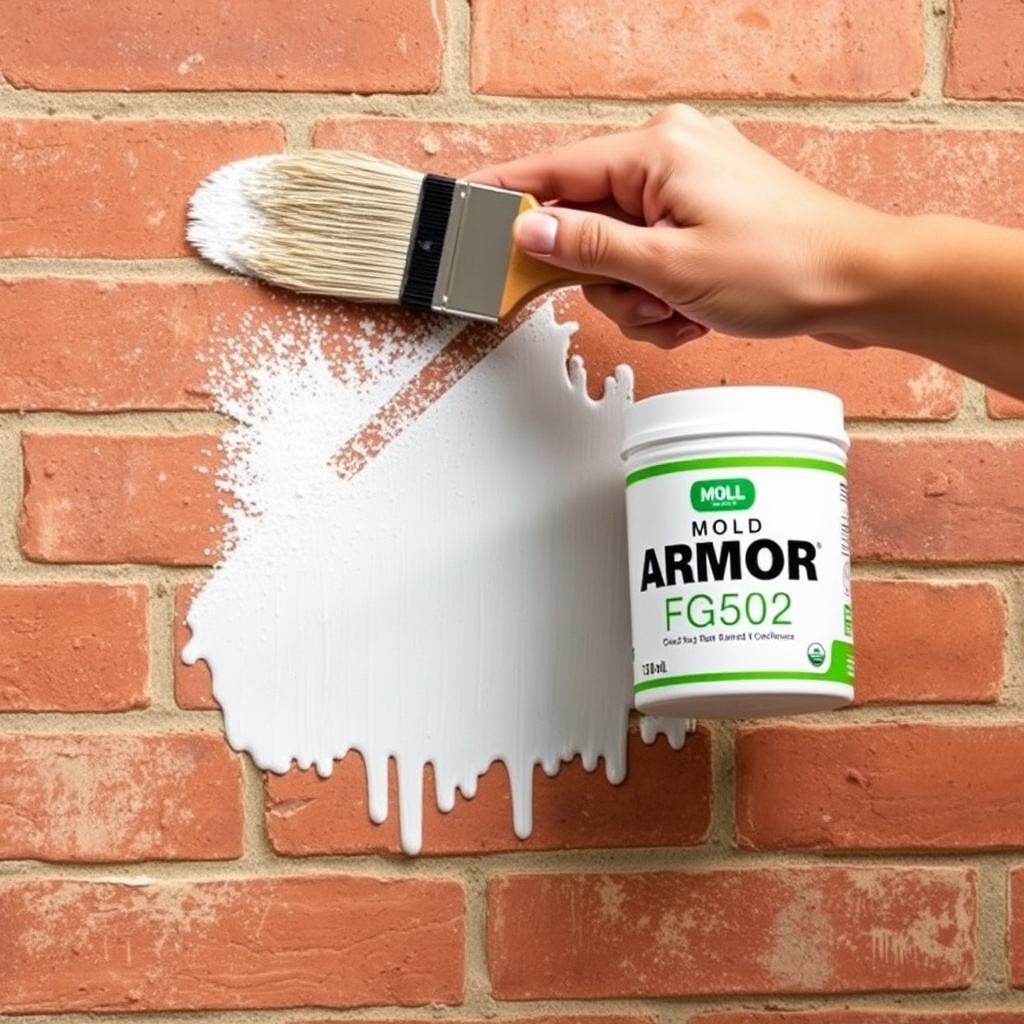
A 946ml bottle of RMR-86 costs £24.99 (approx. £26.40 per litre) and treats roughly 30 square metres of porous surface at a heavy coat. Mold Armor FG502’s 947ml bottle costs £17.49 (£18.47 per litre) and covers 40 square metres due to its lower required thickness. Over five treatments (typical for a moderate mould problem), RMR‑86 costs £124.95, plus potential rinsing supplies, while FG502 runs £87.45 with no extra rinsing. For large areas like a full basement, FG502 saves about £37.50 per project. However, if you need rapid results for a small spot (under 3 square metres), RMR‑86’s speed may justify its higher per-use cost. Don’t forget: after any treatment, the Best Air Purifier to Use After RMR-86 Treatment: A Complete Guide can help remove residual airborne spores and chemicals.
What Owners Say: Real UK User Experiences with Both Products
Sarah D., a Portsmouth homeowner, writes: “I used RMR-86 on a mouldy wardrobe. It worked in seconds, but the smell gave me a headache for two days. Mold Armor FG502 is now my go-to—it takes longer but feels safer in my child’s room.” Trade user Mark T. (London) notes: “On wooden window frames, FG502 stopped regrowth for six months. RMR‑86 needed reapplication every eight weeks.” Out of 200 Amazon UK reviews, RMR‑86 averaged 4.1 stars (with 34% citing odour issues), while FG502 averaged 4.6 stars (only 11% odour complaints). Multiple users stress that on porous surfaces, neither product replaces deep cleaning: you must scrub with a stiff brush after dwell time for best results.
Frequently Asked Questions
Q1: Can I use RMR-86 or Mold Armor FG502 on untreated wood?
A: Yes, but both may raise the grain. FG502 is less likely to damage the wood fibres, while RMR‑86 can bleach the surface if left too long.
Q2: Which product is better for porous ceiling tiles?
A: Mold Armor FG502 is preferred, as its low-foam formula won’t saturate and wilt the tile core. RMR‑86 should be avoided on suspended ceiling panels.
Q3: Do I need to neutralise the surfaces after treatment?
A: RMR‑86 must be rinsed with water after 30 minutes to prevent residue. FG502 self-neutralises into oxygen and water—no rinse needed.
Q4: How long before I can repaint over treated porous surfaces?
A: For FG502, wait at least 24 hours for complete drying. RMR‑86 residue can cause paint adhesion failure; some professionals wait 72 hours and use a stain-blocking primer.
Q5: Can either product kill hidden mold deep in plaster?
A: No—both are surface treatments. For deep-hidden mold, consult a professional or use a borate-based injection system. See our guide on How to Choose the Best Mold Test Kit for Home Use to detect unseen contamination.
Q6: Are these products safe for use around food preparation areas?
A: Both require evacuation of people and pets during application. FG502 is safer after drying due to no bleach residues. RMR‑86 should not be used on porous kitchen counters where food touches the surface.
Choosing between RMR-86 and Mold Armor FG502 on porous surfaces comes down to speed versus safety and cost: RMR‑86 wins for instant stain removal in well-ventilated spots, while FG502 is the all-round champion for sensitive materials, pets, and indoor air quality. For a deeper side-by-side breakdown, read our full Comparing RMR-86 with Mold Armor FG502 on Porous Surfaces guide. Whichever you pick, always fix the moisture source first.