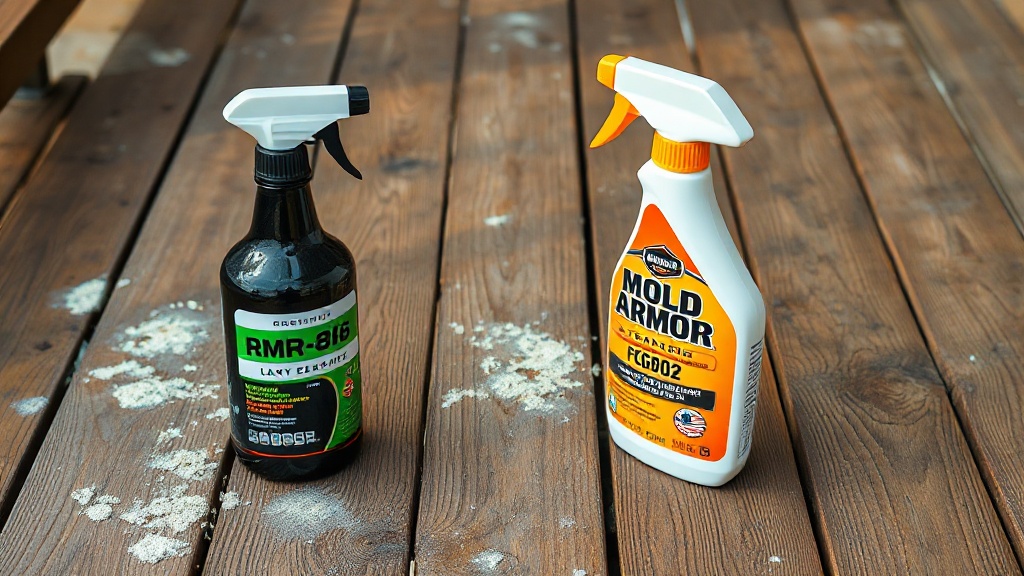
Introduction: Why Compare RMR-86 and Mold Armor FG502 on Porous Surfaces?
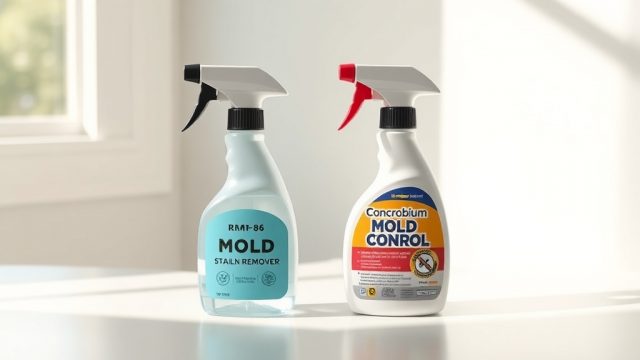
When tackling mold on porous materials like drywall, wood, and unsealed concrete, the choice between RMR-86 and Mold Armor FG502 can make or break your remediation efforts. Both are popular mold removers, but they differ significantly in chemistry, application, and effectiveness on absorbent surfaces. This article provides a detailed comparison to help homeowners and professionals in the United States select the right product for porous substrates, focusing on real-world performance, safety, and cost considerations.
How Do RMR-86 and Mold Armor FG502 Chemically Attack Mold on Porous Surfaces?
RMR-86 uses a proprietary accelerated hydrogen peroxide formula that penetrates porous materials to kill mold spores at the root. It breaks down into water and oxygen, leaving no harmful residues. Mold Armor FG502 relies on sodium hypochlorite (household bleach) and a surfactant blend, which creates a foam that clings to vertical surfaces. On porous wood or drywall, bleach tends to stay on the surface rather than penetrating deeply, which can lead to mold regrowth if the roots are not fully treated.
For porous surfaces like unfinished wood or ceiling tiles, RMR-86’s deeper penetration is often a decisive advantage. Mold Armor FG502 works best on hard, non-porous surfaces like tile or glass, but on porous substrates, its chlorine content can also cause yellowing or damage to the material over time.
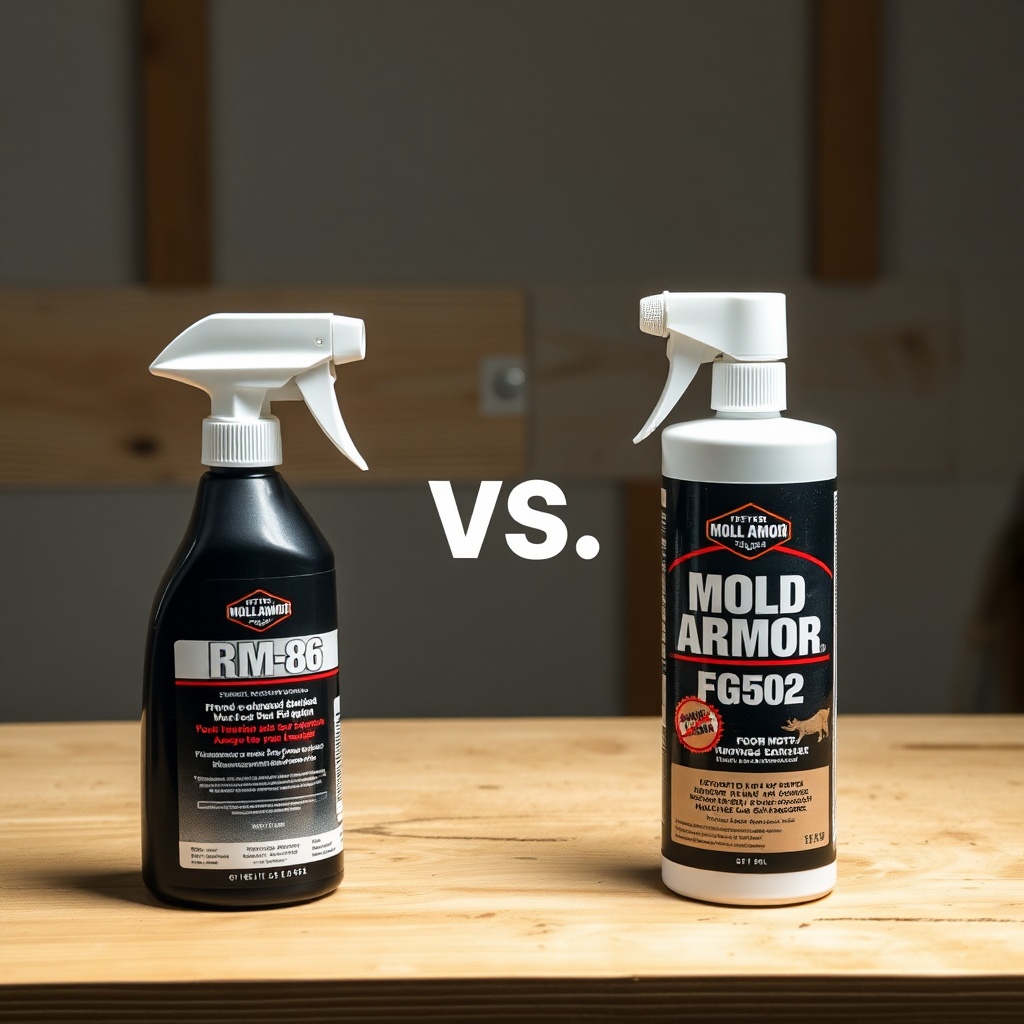
Which Product Lasts Longer After Application on Porous Materials?
RMR-86 is known for its long-lasting residual effect. After drying, it leaves a micro-barrier that inhibits mold growth for several weeks on porous surfaces like drywall. Mold Armor FG502, while effective immediately, evaporates quickly and leaves no lasting protection. In humid environments, Mold Armor may require reapplication every 2–4 weeks, while RMR-86 can hold for 6–8 weeks under similar conditions.
This durability is critical for areas prone to moisture, like basements or bathrooms. If you’re considering long-term mold prevention, pairing a durable cleaner with a dehumidifier is wise. Learn more in our guide on How to Choose the Best Dehumidifier for Mold Prevention.
What Is the Cost Difference Per Square Foot on Porous Surfaces?
Let’s break down the practical costs for treating 100 square feet of porous drywall (typical in a bathroom or small basement). Prices reflect average retail in the United States as of 2025.
| Product | Container Size | Price (USD) | Coverage per Container | Cost per 100 sq. ft. |
|---|---|---|---|---|
| RMR-86 Mold Stain Remover | 32 oz spray bottle | $19.99 | ~50 sq. ft. (light applications) | $39.98 |
| Mold Armor FG502 | 32 oz spray bottle | $12.99 | ~40 sq. ft. (due to foam waste) | $32.48 |
While Mold Armor FG502 appears cheaper per project, consider that RMR-86 requires fewer recoats and less product per application due to its concentrated formula. For severe mold on porous wood, RMR-86 may cost effectively less over 6 months.
Are There Safety Concerns When Using These Products on Porous Wood or Drywall?
Both products require protective gloves and ventilation. RMR-86 is biodegradable and has a mild scent, making it safer for indoor use on porous surfaces like bedroom walls. Mold Armor FG502 emits strong chlorine fumes that can irritate lungs, especially in enclosed spaces with unsealed wood or drywall.
On porous materials, Mold Armor FG502 can also cause wood fibers to swell or drywall paper to bubble if over-saturated. RMR-86 is gentler and less likely to damage the substrate. For homeowners with allergies or respiratory issues, RMR-86 is the clear winner for safe, repeated use on porous surfaces.
What Do Owners Report About Results on Porous Surfaces?
Homeowners and contractors consistently note that RMR-86 removes deep mold stains from wood and drywall without scrubbing. One user from Florida wrote, “I used RMR-86 on my garage rafters—mold was gone in 10 minutes, and no regrowth for 2 months. Mold Armor left white residue and the mold came back in 3 weeks.”
Mold Armor FG502 receives praise for its foam that sticks to ceilings, but on porous surfaces like acoustic tiles, users report it soaks in and causes discoloration. A New York renter said, “Mold Armor worked OK on bathroom caulk, but on my drywall, it left yellow streaks that ruined the paint.” Overall, RMR-86 has higher satisfaction for porous materials.
Frequently Asked Questions
1. Can I use RMR-86 on painted drywall without damaging the paint?
Yes, RMR-86 is safe on painted drywall. Test on a small area first. Avoid over-saturating to prevent peeling. It’s less harsh than Mold Armor FG502 on paint.
2. Does Mold Armor FG502 bleach colored carpet if used nearby?
Yes, sodium hypochlorite can bleach fabrics. Use drop cloths around porous surfaces like carpets. RMR-86 does not bleach fabrics.
3. Which product is better for mold on unsealed concrete?
RMR-86 penetrates concrete pores better. Mold Armor FG502 surface-bleaches but often mold returns within two weeks. Use RMR-86 for permanent results.
4. How long should I wait before painting over treated porous wood?
For RMR-86, wait 24 hours for full drying. For Mold Armor FG502, at least 48 hours to ensure chlorine residues are neutralized. Rinse with water after Mold Armor use.
5. Can I mix either product with a dehumidifier strategy?
Absolutely. After cleaning mold with RMR-86, maintain humidity below 50% to prevent regrowth. See our guide on How to Choose the Best Dehumidifier for Mold Prevention for perfect pairing.
6. Are there eco-friendly disposal concerns?
RMR-86 breaks into water and oxygen, safe for drains. Mold Armor FG502’s chlorine can harm aquatic life—dispose at hazardous waste facility if possible.