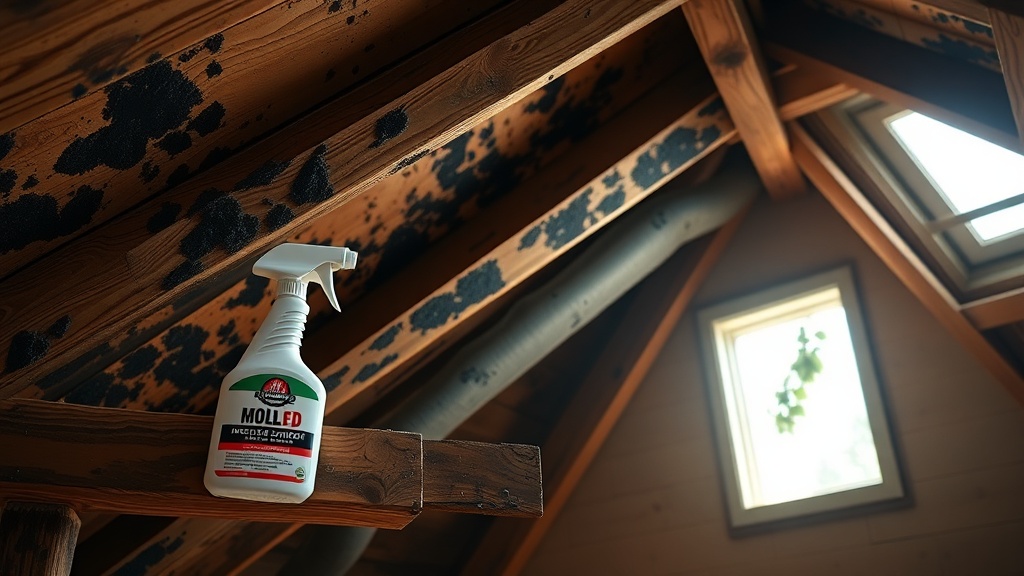
How to Use Concrobium Mold Control on Attic Mold: A Step-by-Step Guide
Attic mold is a stubborn problem that can compromise your home’s structural integrity and indoor air quality. Concrobium Mold Control offers a reliable, non-toxic solution that kills and prevents mold without harsh chemicals. In this guide, we’ll walk you through the entire process, from preparation to application, ensuring your attic stays mold-free for the long haul.
What Is Concrobium Mold Control and Why Use It in the Attic?
Concrobium Mold Control is a patented, sodium carbonate-based solution that works by encapsulating and eliminating mold spores at the source. Unlike bleach-based products, it doesn’t just whiten mold; it actively destroys the cell structure and leaves a residual barrier to prevent regrowth. In attics, where ventilation is often poor and humidity levels fluctuate, Concrobium is particularly effective because it’s non-toxic to humans and pets, making it safe for enclosed spaces. For a deeper look at its formula and effectiveness, check out our Concrobium Mold Control Review: Does It Really Kill Mold?.
Attic mold often stems from roof leaks, inadequate insulation, or poor ventilation. Concrobium’s ability to penetrate porous wood surfaces—like rafters and plywood sheathing—makes it ideal for this environment. It dries clear, so you won’t have unsightly residues, and it’s EPA-registered for mold remediation. The product is available in spray bottles for small areas or concentrate gallons for larger attic jobs, typically costing around £15 to £25 per gallon in the UK or $20 to $30 in the US, depending on retailer.
How Do I Prepare My Attic for Concrobium Treatment?
Preparation is critical to ensure Concrobium penetrates effectively and doesn’t waste product on airborne dust. Start by donning personal protective equipment (PPE): N95 respirator, goggles, and gloves. Even though Concrobium is non-toxic, mold dust is irritant and should not be inhaled.
- Declutter the attic: Remove any stored boxes, insulation batts, or debris that could block access to moldy surfaces. Stack items in a sealed plastic bin or remove them entirely.
- Improve ventilation: Open attic windows if possible, or use a box fan to create cross-flow. This helps dry surfaces faster after treatment.
- Vacuum loose mold: Use a HEPA vacuum to suck up surface dust and spores. This step reduces the amount of mold Concrobium needs to tackle. For the right tool, read our guide on the Best HEPA Vacuum for Cleaning After Concrobium Mold Treatment.
- Identify the source: Check for leaks in the roof or gaps in ventilation. Fixing these prevents future mold after you treat the area. If you’re dealing with basement mold too, see our How to Remove Basement Mold with Concrobium Mold Control: DIY Guide.
Note that if the mold covers more than 10 square feet, consider professional consultation. Once the area is prepped, you’re ready for application.
How Do I Apply Concrobium Mold Control to Attic Wood and Insulation?
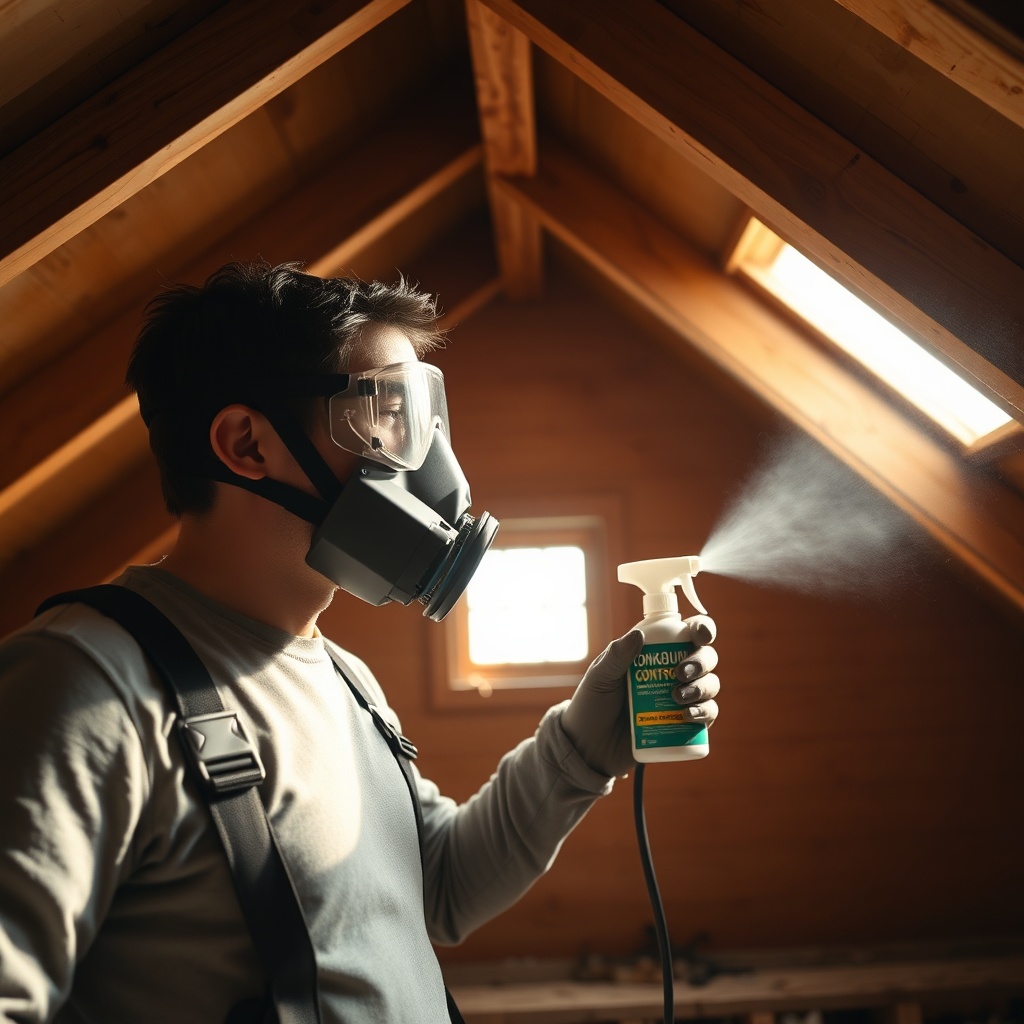
Application is straightforward but requires patience for thorough coverage. For most attic surfaces—wood rafters, plywood sheathing, and even some types of insulation—follow these steps:
- For wood surfaces: Use a pump sprayer or spray bottle set to a fine mist. Hold the nozzle 6–8 inches from the surface and apply an even coat until the wood is visibly wet but not dripping. Work in sections of about 4×4 feet. Let the product dwell for 10–15 minutes; this allows the solution to penetrate mold pores.
- For fiberglass insulation: Avoid saturating insulation completely, as moisture can reduce its R-value. Instead, spritz lightly on moldy spots, focusing on the paper facing. Concrobium will kill surface mold without degrading the material.
- For stubborn spots: On heavy mold growth (e.g., over 1/8 inch thick), scrub gently with a soft brush after the initial dwell time. Then reapply Concrobium to ensure all spores are coated.
Allow the treated area to dry completely—usually 24–48 hours depending on attic humidity. You’ll notice a white, powdery residue left behind; this is the active silica compound that continues to inhibit mold regrowth. Do not wipe it off. For concrete-based attic elements like foundation walls, similar principles apply; read Using Concrobium Mold Control on Concrete Basement Walls: A Step-by-Step Guide for tailored advice.
What Is the Best Sprayer Type for Attic Mold Treatment?
Choosing the right sprayer ensures even coverage and minimal waste. Concrobium works best when applied as a fine mist, not a heavy stream. Here’s a comparison of common options:
| Sprayer Type | Ideal For | Cost (Approx.) | Coverage per Gallon | Pros | Cons |
|---|---|---|---|---|---|
| Handheld trigger spray | Small spots (under 20 sq ft) | £3–£8 ($5–$10) | 100–150 sq ft per gallon | Easy to use, precise | Hand fatigue on large areas |
| Pump sprayer (1-gallon) | Medium attics (200–500 sq ft) | £12–£25 ($15–$30) | 200–400 sq ft per gallon | Fast, adjustable spray pattern | Requires pumping, heavy |
| Backpack sprayer (2-gallon) | Large attics (over 500 sq ft) | £30–£60 ($40–$75) | 400–800 sq ft per 2 gallons | Ergonomic, continuous spray | More expensive to buy |
For most attics, a 1-gallon pump sprayer strikes the right balance. If you’re using Concrobium concentrate (which you mix 1 part concentrate to 3 parts water), a backpack sprayer saves trips up and down the ladder. Remember to clean the sprayer after use to avoid clogging.
How Long Does Concrobium Take to Dry and How Do I Know It Worked?
Drying time varies based on attic temperature, humidity, and ventilation. In a well-ventilated attic at 20°C (68°F) and 40% relative humidity, Concrobium typically dries within 12–24 hours. In damp conditions, it may take up to 48 hours. You can speed drying by using a dehumidifier or by pairing the treatment with an air purifier. For recommendations, see our article on the Best Air Purifier to Pair with Concrobium Mold Control Treatment.
After drying, look for these signs of success:
- Visual change: Mold may appear darkened or shriveled. The white residue of Concrobium is normal and expected.
- No musty odor: The smell should diminish significantly within 24 hours. A lingering odor may indicate incomplete coverage or hidden mold.
- Touch test: Mold spots should feel brittle or crumbly, not slimy. If still moist, reapply.
If you see regrowth within a week, it usually means the source issue (like a leak) wasn’t fixed, or the initial application missed a patch. Repeat treatment after addressing the root cause.
What Do Homeowners Say About Concrobium for Attic Mold?
Feedback from DIYers and homeowners who’ve used Concrobium in attics is largely positive. Many appreciate its safety profile—especially those with children or pets. One homeowner from Manchester noted, “It cleared a small patch of black mold on the roof sheathing in one go. The smell vanished within a day, and it’s been 6 months with no return.” Another user on a UK forum reported success on attic insulation: “I was skeptical, but after two light sprays, the mold on the paper facing died off. I re-coated after a week for good measure.”
However, some caution about heavy infestations: “If you’ve got thick mold on plywood, scrubbing first is non-negotiable. Concrobium works, but you need to break the surface layer.” For a balanced view, read our detailed Concrobium Mold Control vs Mold Armor FG502: Which Is Better? comparison to see how it stacks up. Overall, satisfied users emphasize that Concrobium is a tool, not a miracle cure—proper source control is equally important.
Frequently Asked Questions
1. Can Concrobium be used on attic insulation without damaging it?
Yes, but with caution. Lightly mist moldy spots on fiberglass insulation, focusing on the paper facing. Avoid saturating the insulation, as excess moisture can reduce its thermal efficiency. For cellulose insulation, spot treatment is better; heavy soaking can cause clumping.
2. How long does the protective barrier from Concrobium last in an attic?
The residual barrier is designed to last for months, but attic conditions vary. In a dry, well-ventilated attic, it can remain effective for up to 6 months. In humid or leak-prone attics, reapplication every 3 months may be needed. The white residue is the barrier.
3. Is Concrobium safe for use near electrical wiring and attic fixtures?
Yes, when used as directed. Concrobium is a water-based solution, so avoid spraying directly into outlets or open junctions. Let the product dry before restoring power to any affected fixtures. Drenching wires is not recommended; use a light mist instead.
4. Do I need to remove old insulation before applying Concrobium?
Only if the insulation is heavily saturated with mold or wet from a leak. For surface mold on the paper facing, spot treatment with Concrobium is sufficient. If the insulation is degraded or smells musty after drying, replace it.
5. Can Concrobium prevent future mold in attics prone to condensation?
It helps but doesn’t replace moisture control. The residual barrier inhibits spore germination, but if condensation persists (e.g., from poor ventilation or high humidity), mold can still return. Pair treatment with a dehumidifier or improved attic vents.
6. How much Concrobium do I need for a typical attic of 500 square feet?
For surface treatment of wood and insulation, plan on roughly 1 gallon of Concrobium per 200–300 square feet. For 500 square feet, purchase 2 gallons of ready-to-use spray or 1 quart of concentrate (which makes 4 gallons of solution). Always buy a little extra for touch-ups.