Short Intro
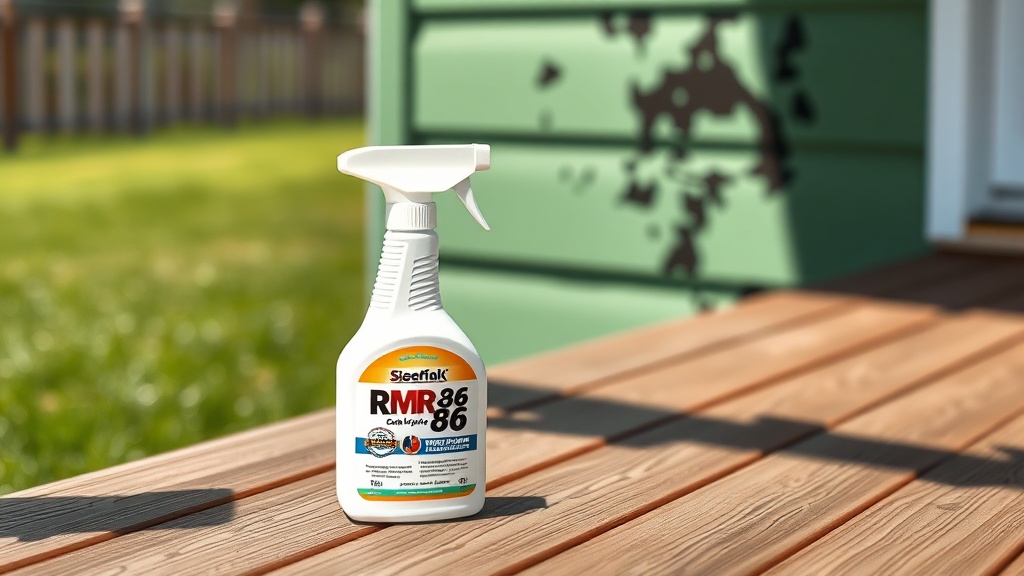
RMR-86 Instant Mold and Mildew Stain Remover has become a go-to product for DIY homeowners tackling stubborn mold stains on exterior surfaces. When applied to vinyl siding, this bleach-based formula can lift deep-set organic stains within seconds, often eliminating the need for pressure washing. This guide covers everything you need to know about using RMR-86 on vinyl siding safely and effectively, including application methods, safety precautions, and common pitfalls.
What Makes RMR-86 Different from Regular Bleach for Vinyl Siding?
RMR-86 is not your typical bleach spray. While household bleach is typically diluted to around 3–6% sodium hypochlorite, RMR-86 contains a much higher concentration—usually around 8–12%—combined with surfactants that help the solution cling to vertical surfaces like siding. This higher strength means it can kill mold spores and remove stains at the root, rather than just bleaching the surface temporarily. For vinyl siding, this is a major advantage because mold often hides in the porous texture of the siding’s surface layer, especially on older, chalky panels. RMR-86’s thickening agents allow it to stay on the vinyl for 30 seconds to a minute, long enough to penetrate and lift stains without excessive scrubbing. However, this strength also means you need to take extra care with nearby grass, plants, and painted surfaces, as overspray can cause discoloration.
If you are considering other options, see our RMR-86 vs Mold Armor FG502 Spray: Which Stain Remover Is Best? for a direct comparison of these two popular products.
How Should You Prepare the Area Before Using RMR-86 on Vinyl Siding?
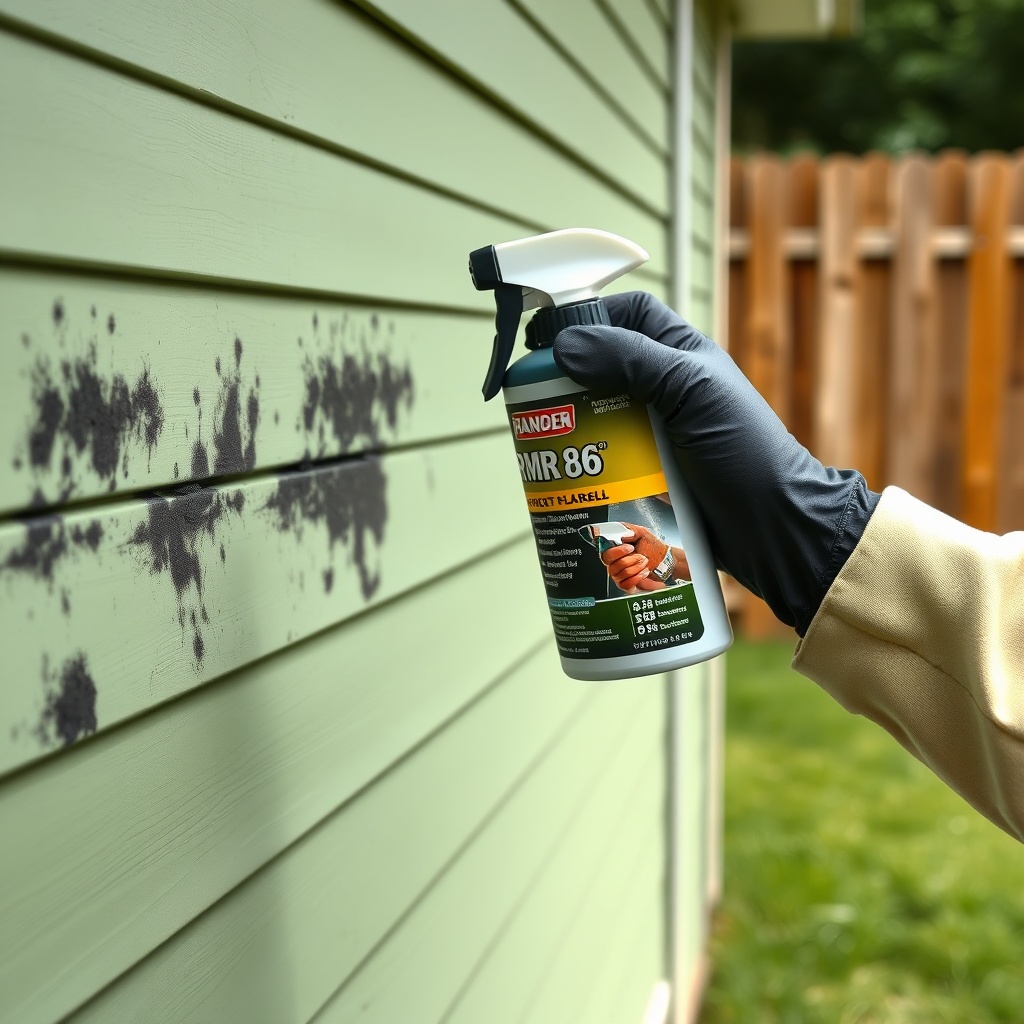
Preparation is critical to avoid damaging your landscaping or home finishes. Begin by thoroughly wetting all plants, shrubs, and grass near the siding with water—this dilutes any overspray and reduces the risk of bleach burn. Cover delicate flowers and vegetable beds with plastic sheeting or old drop cloths, and tape them in place if windy. Next, rinse the siding with a garden hose to remove loose dirt and cobwebs; this helps the RMR-86 make direct contact with the mold rather than a dust layer. Check for any cracked or damaged siding panels, as the bleach solution can seep behind them and cause long-term moisture issues. For best results, choose a cloudy day with temperatures between 15°C and 30°C—direct sunlight can cause the solution to dry too quickly, reducing its effectiveness, while freezing temperatures will make it ineffective. Finally, put on chemical-resistant gloves and safety goggles; the high-strength bleach can cause skin irritation and eye damage.
- Protect vegetation: wet plants and cover sensitive areas.
- Pre-rinse siding: remove surface dirt for better adhesion.
- Inspect for damage: repair cracks or gaps before application.
- Check weather: avoid direct sun and temperatures below 10°C.
- Wear PPE: gloves, goggles, and long sleeves.
What Is the Step-by-Step Application Process for RMR-86 on Siding?
Applying RMR-86 to vinyl siding is straightforward, but technique matters. Use a garden sprayer or the included trigger sprayer—if using a pump sprayer, set the nozzle to a coarse spray to avoid atomizing the bleach into the air. Hold the sprayer about 15–20 cm from the siding and apply a generous, even coat starting from the bottom of a section and working upward to prevent drips from causing streaks. You should see the mold stains begin to lighten or disappear within 15–30 seconds. For stubborn stains, allow the product to dwell for up to 2 minutes, but do not let it dry completely. Do not scrub yet—simply rinse the area with a garden hose, using a fan nozzle to wash the solution downward. For heavy mold growth, you may need a second application after the siding dries. Avoid using a pressure washer within 24 hours of treatment, as the high pressure can force bleach residue into the siding’s texture and cause fading. Instead, a soft-bristle brush can be used gently on thick spots after wetting the area.
| Application Parameter | Recommended Value |
|---|---|
| Spray distance | 15–20 cm (6–8 inches) |
| Dwell time for light stains | 15–30 seconds |
| Dwell time for heavy stains | Up to 2 minutes |
| Water rinsing time | 30–60 seconds per section |
| Second application wait time | Until siding is completely dry (1–2 hours) |
| Ideal temperature range | 15°C–30°C (60°F–85°F) |
For indoor applications where mold is present on other surfaces, you may find our How to Use RMR-86 on Shower Tile Grout: A Step-by-Step Guide helpful for tackling similar issues inside the home.
Can RMR-86 Damage Vinyl Siding If Used Incorrectly?
Yes, misuse can lead to problems. While vinyl siding is generally resistant to bleach, leaving RMR-86 to dry on the surface can cause etching or a chalky white residue. This happens when the bleach concentration becomes too strong as the water evaporates, effectively “burning” the vinyl’s top layer. Over-application—spraying more than needed and letting it pool—can cause streaks that are difficult to remove. In colder weather (below 10°C), the solution can freeze on the siding, leading to patchy results. Also, avoid using RMR-86 on painted or coated siding, as the bleach can strip the paint finish. Always test a small, inconspicuous area first, such as a corner near the bottom. If the siding turns white or becomes sticky after drying, discontinue use. For most standard vinyl, a proper rinse within 2 minutes prevents damage. If you accidentally leave it on too long, rinse immediately with plenty of water and use a mild car wash soap to neutralize any residue.
- Do not let dry: rinse within 2 minutes of application.
- Avoid cold surfaces: do not apply below 10°C.
- Test first: check on a hidden area for compatibility.
- Skip painted siding: RMR-86 can strip paint.
- Rinse thoroughly: residual bleach can cause fading over weeks.
How Do You Clean Up Mold After RMR-86 Treatment on Siding?
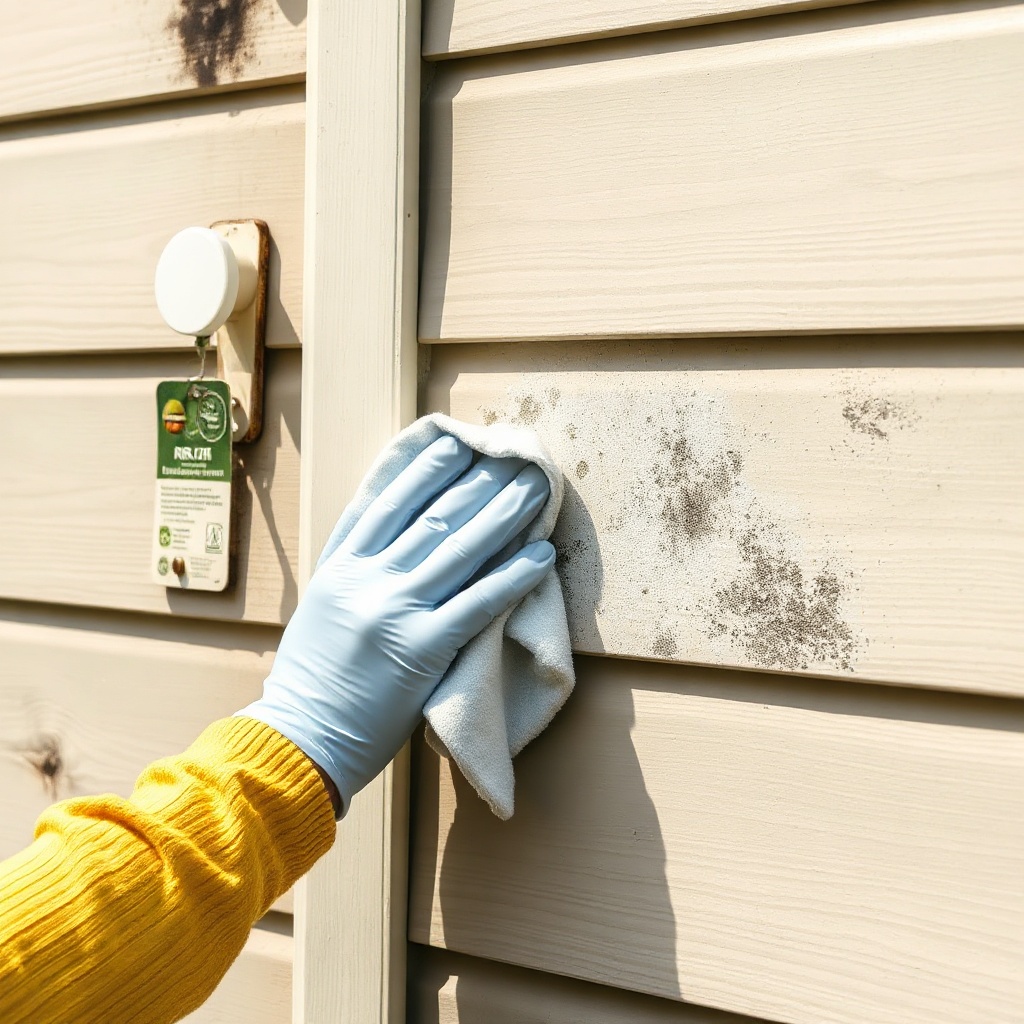
After rinsing off the RMR-86 solution, some dead mold residue may remain on the siding or fall to the ground. For the siding itself, once dry (usually 1–2 hours in good weather), you can gently wipe away any remaining dark specks with a damp microfiber cloth or a soft car wash mitt. Avoid using abrasive pads that can scratch the vinyl. For the ground area below the siding, collect any fallen mold debris with a rake or shop vac—this prevents spores from re-establishing themselves in the soil. This is a good moment to incorporate a HEPA vacuum for any interior cleanup if you’ve also treated nearby indoor areas. Our Best HEPA Vacuum for Cleaning After RMR-86 Treatment guide offers specific recommendations for post-treatment cleanup. Additionally, improving airflow around your siding can help prevent future mold growth; consider using a Best Dehumidifier to Use After RMR-86 Treatment: A Complete Guide if you’re dealing with damp basement or crawlspace mold issues.
What Do Owners Say About Using RMR-86 on Vinyl Siding?
Homeowners who have used RMR-86 on their vinyl siding generally report high satisfaction, particularly for quick results. Many note that a single application removes years of black mold and mildew that pressure washing couldn’t fully clear. One owner in Florida described how their north-facing, shaded side of the house had been plagued with mold for three seasons; after one RMR-86 treatment, the siding looked like new. Another user in the Pacific Northwest mentioned that while the product is expensive—typically around £25 to £35 per bottle—it saved them the cost of hiring a professional pressure washing service, which can run £200 to £500. However, some caution about the strong smell: the bleach odor is very potent and lingers for a few hours, so they recommend doing treatment on a breezy day. A few users reported white residue on their siding when they failed to rinse quickly enough, but this usually washed off with a second water rinse. Overall, the consensus is that RMR-86 is a powerful tool for DIY mold removal on vinyl, but it demands careful handling and respect for its chemical strength.
Frequently Asked Questions
1. Can RMR-86 be used on all types of vinyl siding?
Yes, it is safe for most standard vinyl siding, including smooth, textured, and lap-style panels. However, always test on a small hidden area first to ensure no adverse reaction. Do not use on siding that is painted, coated, or has a glossy finish, as the bleach may strip it.
2. How long does RMR-86 take to work on vinyl siding mold stains?
You will typically see stains lighten or disappear within 15 to 30 seconds of application. For heavy or deep-set mold, allow up to 2 minutes of dwell time before rinsing. Do not exceed 2 minutes without rinsing, as the solution may begin to dry.
3. Will RMR-86 kill mold spores or just bleach stains?
RMR-86 kills mold spores on contact due to its high concentration of sodium hypochlorite. It does not just bleach the visible stains; it penetrates the organic material and destroys the mold cells. However, thorough rinsing is necessary to remove dead spores and prevent re-growth.
4. Can I use RMR-86 in a pressure washer for cleaning siding?
It is not recommended. Pressure washers can overspray the solution and distribute it into the air, potentially harming plants and causing inhalation risks. Hand sprayed application with a garden hose rinse is safer and more controlled. If you must use a pressure washer, use a low-pressure setting (below 1,500 PSI) and a wide spray pattern, and keep the nozzle at least 30 cm away.
5. How long should I wait between RMR-86 treatments on the same siding?
If a second application is needed, wait until the siding is completely dry—usually 1 to 2 hours in warm weather. Applying a second coat while the siding is still wet can dilute the solution and reduce its effectiveness. Do not apply more than two treatments in 24 hours.
6. What should I do if RMR-86 gets on my skin or in my eyes?
Immediately flush the affected area with cool running water for at least 15 minutes. For eyes, remove contact lenses if present and continue flushing. If irritation persists or if you experience breathing difficulties, seek medical attention. Always wear chemical-resistant gloves and goggles during application.