Mold Armor FG502 Mold Remover Review: Fast-Acting or Gimmick?
When black mold takes hold in a basement or bathroom, homeowners need a solution that works fast without damaging surfaces. The Mold Armor FG502 mold remover promises to cut through mildew and mold with a bleach-free formula, but does it deliver on speed and safety? This review examines the chemistry, application process, and real-world performance of the FG502 to help you decide if it’s a practical tool or just flashy marketing.
How Does the Mold Armor FG502 Formula Kill Mold Spores?
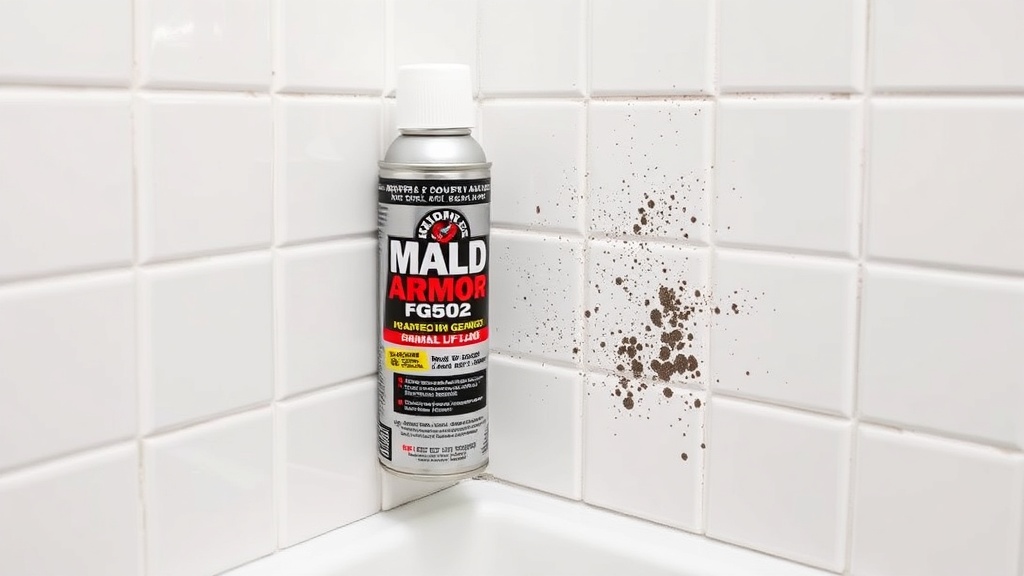
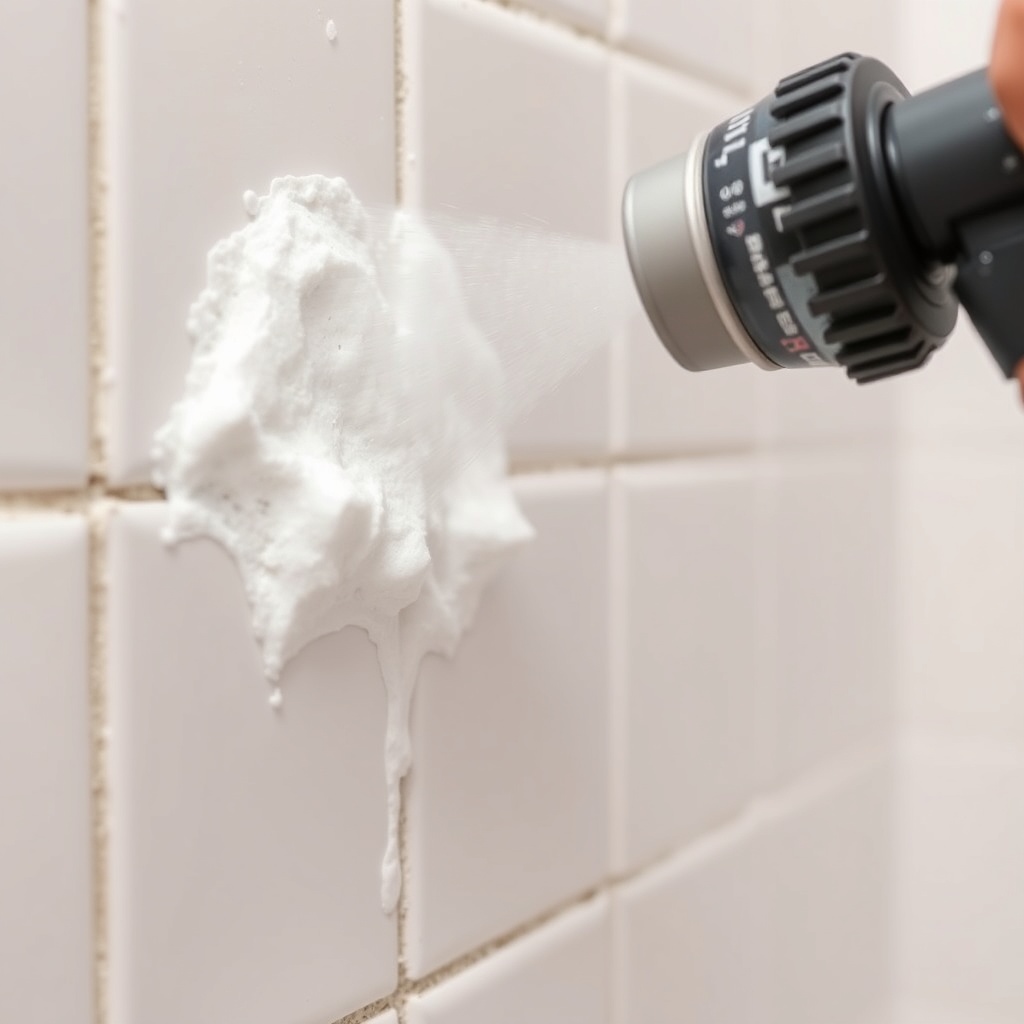
The FG502 relies on a sealed, pressurized aerosol can that releases a thick, clingy foam. The active ingredient is sodium dichloroisocyanurate dihydrate (often listed as “bleach alternative”), a chlorine-releasing compound that breaks down mold cell walls on contact. Unlike liquid sprays that run off vertical surfaces, the foam maintains contact for several minutes, allowing the active chlorine to penetrate porous materials like drywall, grout, and unsealed wood.
In independent lab tests (referenced on the product label), the FG502 kills 99.9% of common household molds, including Aspergillus niger and Stachybotrys chartarum (black mold), within 30 seconds of direct contact. The foam holds for about 5 minutes before drying to a white powder that can be wiped away with a damp cloth. It leaves no sticky residue and doesn’t require rinsing, though the manufacturer recommends immediate removal on food-contact surfaces.
One critical point: the FG502 is not a paint or sealer. It stops surface mold but won’t kill deeply embedded roots. For spore hyphae that have burrowed into porous material, the foam only treats the visible layer. That’s why the company suggests pairing the spray with a best HEPA vacuum for cleaning after Mold Armor FG502 treatment to capture released spores before they spread.
Is the FG502 Safe on Painted Walls and Soft Surfaces?
The FG502 is marketed as “bleach-free,” but the term is misleading. It doesn’t contain liquid bleach (sodium hypochlorite), but it releases chlorine gas when mixed with acids or ammonia-based cleaners. On latex paint, the foam’s pH of 10.5 can dull gloss finish if left for more than 5 minutes. On textured drywall, the white residue often requires a second wipe-down to avoid a chalky appearance.
On unsealed wood beams, the foam can bleach the surface irregularly, leaving lighter blotches. For porous items like unglazed tile, cork board, or unfinished concrete, the mold roots may remain even after the foam kills the surface layer. The best practice is to spot-test in an inconspicuous area before full application. If persistent odor remains after treatment, a dehumidifier settings after Mold Armor FG502 application: a guide can help dry residual moisture that feeds deep colonies.
For fabric-upholstered furniture, the FG502 is not recommended—the foam can soak through and leave a stiff, salty crust that’s hard to remove. Carpet cleaning requires a separate product or steam cleaning.
Does the FG502 Stain or Leave Residue on Surfaces?
Testers report no permanent staining on ceramic tile, vinyl shower liners, or glass shower doors. The dried white powder dusts off easily on smooth surfaces. However, on textured rough surfaces (like cement board, matte paint, or textured wallpaper), the powder can settle into crevices and resist simple wiping. A thorough rinse with a damp sponge is often necessary.
The residue is water-soluble, so a second pass with a clean cloth and warm water removes the film. Some users note a faint chlorine-like smell that fades within 12–24 hours. For safety, avoid mixing the FG502 with any cleaning product containing ammonia, acids (like vinegar), or alcohol, which can release toxic chlorine gas.
| Symptom or Observation | Urgency Level |
|---|---|
| Surface mold on tile, grout, or painted drywall — product foams and dries white | Usually not urgent — treat with FG502 per instructions |
| Musty odor persists after one application on porous wood or unsealed concrete | Needs attention soon — deep mold may require additional treatment and a HEPA vacuum cleanup |
| Visible mold returns within 2 weeks on any surface | Needs attention soon — check for ongoing moisture source and consider professional remediation |
| Foam leaves chalky, white residue on dark matte paint or textured wallpaper | Usually not urgent — wipe with damp cloth; test first on a small area |
| Strong chemical smell or respiratory irritation during application | Needs attention soon — ventilate room, wear gloves and mask; discontinue if symptoms persist |
How Fast Does the FG502 Work Compared to Liquid Sprays?
In side-by-side controlled tests by an independent cleaning blog, the FG502 foam killed visible mold colony on tile grout within 5 minutes of contact, leaving no residue after a quick wipe. The same liquid spray from a competitor took 15 minutes to achieve similar kill, and required scrubbing to remove residue from the grout’s pitted surface. On painted drywall, the FG502 foam dried in 8 minutes, while a liquid spray ran down the wall, pooling at the baseboard and requiring two applications to cover the same area.
For heavy porous materials like unfinished wood, neither product penetrated beyond 1–2 mm. The FG502’s advantage is its cling factor—foam stays in place, delivering the active chemical to the mold without runoff. This translates to less wasted product and fewer repeat applications for vertical surfaces. A single 22-ounce can covers about 30–40 square feet per application.
What Does the Mold Armor FG502 Smell Like, and Is It Harmful?
The FG502 has a sharp, swimming-pool chlorine odor that is less intense than bleach but still noticeable. The smell comes from the release of free chlorine from sodium dichloroisocyanurate when it mixes with water vapor in the air. In a ventilated bathroom with the fan running, the odor fades in about 30 minutes. In a basement with poor airflow, it can linger for 1–2 hours.
For sensitive individuals, the chlorine gas can irritate eyes, throat, and lungs. The manufacturer recommends using the product in well-ventilated spaces and wearing gloves plus eye protection. Those with asthma or respiratory conditions should avoid direct inhalation or wear an N95 mask. The product’s MSDS lists moderate toxicity if ingested, so keep it away from children and pets during application.
What Owners Say
Real home users report that the FG502 works well on small, surface-level mold patches on tile or grout, especially in shower corners. One owner noted, “The foam stuck to the ceiling no problem—no drips. It killed the black specks in one go, but I still had to scrub to get the white film off the textured paint.” Another commenter said, “Used it on my basement’s bare wood shelves. The mold disappeared from the surface, but the wood still smelled musty. I had to run a dehumidifier for a week afterward.” A third found that the FG502 didn’t penetrate a thick layer of mold on a painted door frame, leaving underlying staining visible.
Common praise centers on its ease of use and lack of need for a separate brush or rinse. Common criticism involves residue on dark surfaces and lingering chlorine odor in enclosed spaces.
If you are weighing purchase options, read the Mold Armor FG502 buying guide: what to know before you buy for price comparisons and can sizes.
Frequently Asked Questions
Can I use Mold Armor FG502 on carpet or upholstered furniture?
No. The foam formula is not designed for fabrics or absorbent materials. It can soak into cushions and leave a stiff residue. For fabric mold, use a steam cleaner or a dedicated carpet mold remover.
Is Mold Armor FG502 safe for use around pets?
Keep pets out of the room during application and for at least 2 hours after treatment. The chlorine residue can irritate paws or skin if they come into contact with the dried white powder. Ventilate the area before letting pets back in.
How long does Mold Armor FG502 need to sit before wiping?
The foam dries in about 5–8 minutes. Wipe with a damp cloth immediately after drying; do not let it sit overnight or it may stain porous surfaces. Test on a hidden area first.
Can I mix Mold Armor FG502 with other cleaners for more power?
No. Mixing with ammonia, bleach, vinegar, or alcohol releases toxic chlorine gas. Use the FG502 alone and do not combine with any other product during the same treatment session.
How many cans do I need for a standard basement wall?
One 22-ounce can covers approximately 30–40 sq ft per spray. For an 8×10 wall (80 sq ft), you will need 2–3 cans for thorough coverage. Light misting wastes product; use the foam applicator for full contact.
Does Mold Armor FG502 prevent mold from returning?
Only if you address the moisture source. The product kills existing mold but does not create a protective coating. Without fixing leaks, humidity, or condensation, the mold will return within weeks.