Dehumidifier Settings After Mold Armor FG502 Application: A Guide
Applying Mold Armor FG502 is a powerful step in mold remediation, but the drying phase afterwards is just as critical for long-term success. Without proper humidity control, residual moisture can allow mold spores to re-establish before the treatment fully cures. This guide explains the exact dehumidifier settings and strategies to use after applying FG502.
Why Is Dehumidifier Use Critical After Mold Armor FG502 Treatment?
Mold Armor FG502 works by penetrating mold colonies and breaking down their cell structure, but it does not instantly evaporate the moisture that allowed mold to grow. After application, the affected area must be dried thoroughly—typically within 24 to 48 hours—to prevent new spores from germinating. A dehumidifier pulls excess moisture from the air and surfaces, accelerating this drying process. Running a dehumidifier also helps the FG502 solution fully dry, which can improve its residual mildewstatic effect.
For best results, keep the dehumidifier running continuously for at least 72 hours after the last application. This is especially important in basements, bathrooms, and crawl spaces where humidity tends to linger.
What Relative Humidity Level Should I Target After Using FG502?
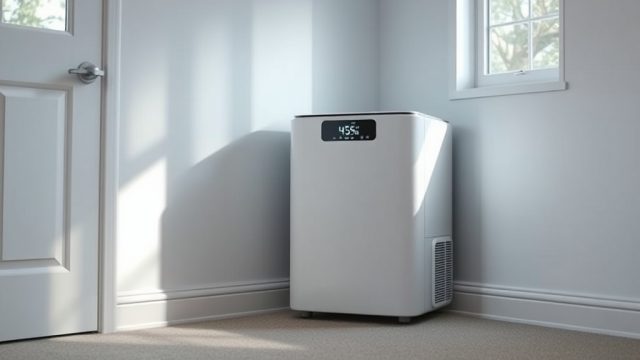
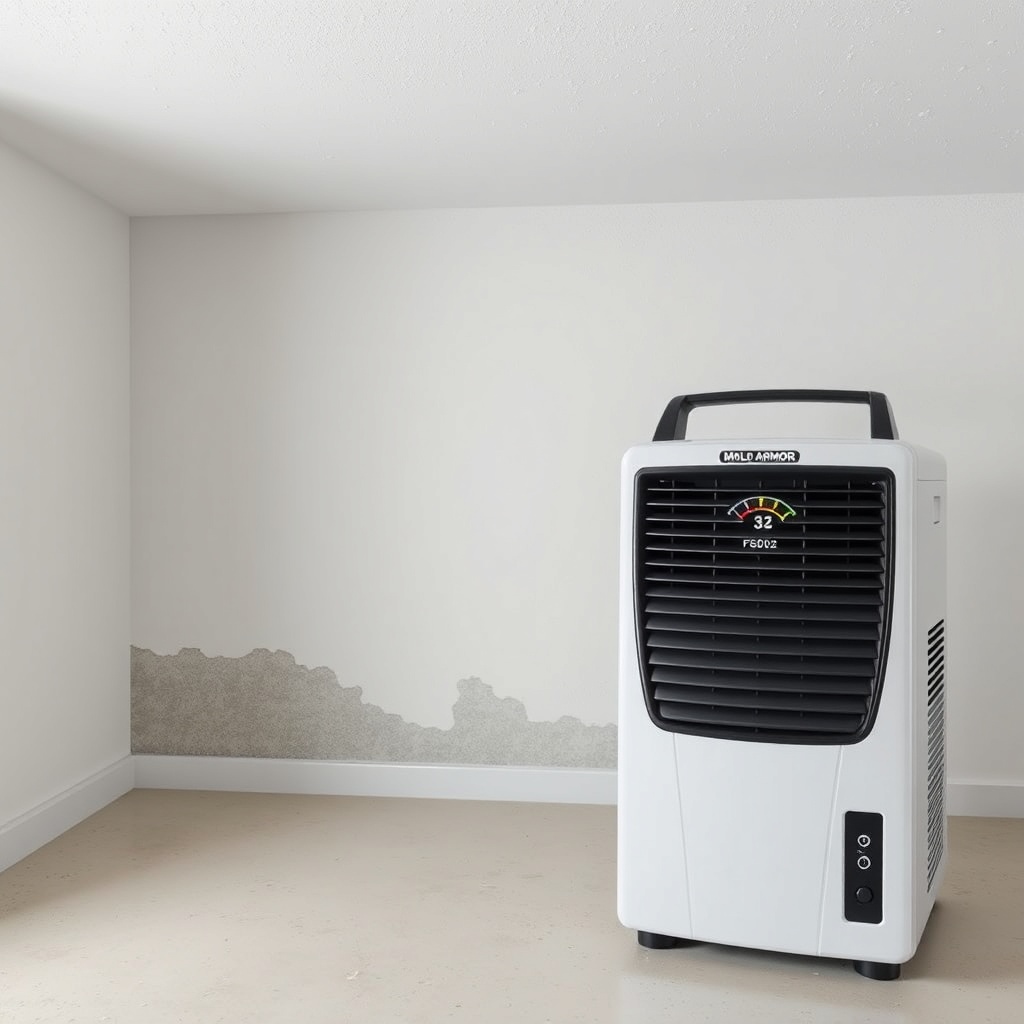
The optimal relative humidity (RH) range for drying after FG502 treatment is between 30% and 50%. Most home dehumidifiers can achieve this, but you should monitor with a separate hygrometer for accuracy. A setting of 40% RH is a safe middle ground for most climates—low enough to inhibit mold growth but not so dry that it damages wood or drywall.
If the area is very humid (above 70% RH), start the dehumidifier on its highest continuous setting for the first 24 hours. After that, adjust to a 40% target. Avoid going below 25% RH, as extremely low humidity can cause cracking in wooden structures and may interfere with the curing of mold-resistant paints or sealants applied later. Check the humidity level every 6-8 hours during the first two days.
Should I Run the Dehumidifier While the FG502 Is Still Wet?
Yes, but with caution. You want the treated surfaces to dry naturally for the first 2–4 hours to allow the active ingredients to work. After that, it is safe to turn on the dehumidifier. Directing strong airflow from fans directly onto wet FG502 can cause it to run off or evaporate too quickly, reducing its effectiveness. Instead, place the dehumidifier in the center of the room, away from direct contact with the wet solution.
Set the dehumidifier to a moderate fan speed initially, then increase to high after 12 hours once the solution has mostly dried. Do not use heaters or high-temperature settings on the dehumidifier, as heat can break down the active chlorine compounds in FG502 before they fully react with mold.
How Long Should I Keep the Dehumidifier Running After Application?
A minimum of 72 hours of continuous operation is recommended. Many professionals extend this to 5–7 days, especially in areas prone to dampness. The dehumidifier should only be turned off after a stable RH of 40% or lower is maintained for at least 24 hours without the unit running continuously. If the dehumidifier cycles on and off frequently but the RH stays below 50%, you can begin to reduce runtime gradually.
| Situation | Minimum Runtime After FG502 |
|---|---|
| Typical bathroom or small room (after visible mold removal) | 3–5 days |
| Basement or crawl space with history of moisture | 5–7 days |
| Large area (>500 sq ft) or high humidity climate | 7–10 days |
| After flood or water damage remediation | 10–14 days or until moisture meter reads below 15% |
Can I Use a Dehumidifier and a Fan Together With Mold Armor FG502?
Yes, combining a dehumidifier with a fan accelerates drying, but proper placement matters. Position the fan to circulate air around the treated area—not directly onto it. Aim the fan at the ceiling or a wall adjacent to the treated surface. This prevents the FG502 from drying too quickly and forming a film that can trap moisture underneath.
A good setup is to run the dehumidifier in the same room with a box fan or oscillating fan set to low speed, placed 4–6 feet from the treated area. After 24 hours, you can move the fan closer. For large rooms, use two fans in opposite corners to create a cross breeze. Always monitor the treated surface: if it looks chalky or powdery before 12 hours, reduce fan speed.
For more on cleaning residues after drying, see our guide on Best HEPA Vacuum for Cleaning After Mold Armor FG502 Treatment.
What Dehumidifier Settings Work Best for Different Room Sizes?
Choose a dehumidifier rated for the room’s square footage. For a 200 sq ft bathroom, a 30-pint unit set to 40% RH is sufficient. For a 500 sq ft basement, a 50-pint unit with continuous drain is ideal. Set the fan speed to “auto” or “low” for the first 12 hours, then switch to “high” for the next 48 hours. If your dehumidifier has a “turbo” or “continuous” mode, use it for the first 24 hours if humidity is above 60%.
In rooms smaller than 150 sq ft, (e.g., a closet), a compact 20-pint dehumidifier on a timer can work. Run it for 4 hours, then off for 2 hours, repeating for 48 hours. This prevents over-drying and saves energy. Always empty the water tank every 12 hours or connect a hose to a floor drain for unattended operation.
What Owners Say
Many homeowners report that the drying phase is the most overlooked part of mold treatment. One user on a DIY forum noted: “I applied FG502 and thought I was done. Two weeks later, mold came back in the same spot. After I started running a dehumidifier for a full week, the problem never returned.”
Another owner shared: “I have a basement that stays damp. After using FG502, I set my dehumidifier to 35% and left it running for 5 days straight. The smell disappeared and no mold has come back in 6 months.” A third user mentioned: “I made the mistake of using a fan too close to the FG502. It dried in 2 hours but left white residue. Now I keep the dehumidifier far away and use a gentle fan nearby.”
Frequently Asked Questions
Can I use a dehumidifier while Mold Armor FG502 is still wet on walls?
Yes, but wait at least 2–4 hours after application for the active ingredients to work. Place the dehumidifier away from direct contact with wet solution. Set it to a moderate fan speed initially.
What is the ideal humidity level after applying FG502?
Between 30% and 50% relative humidity. A setting of 40% RH is recommended for most homes. Avoid going below 25% RH, which can damage wood.
How long should I run the dehumidifier after Mold Armor FG502 treatment?
At least 72 hours continuously. For basements, crawl spaces, or high-humidity areas, 5–7 days is recommended. Longer may be needed after flooding.
Can I use a fan with the dehumidifier after FG502?
Yes, but avoid directing the fan directly onto the treated surface for the first 24 hours. Aim it at the ceiling or an adjacent wall to prevent rapid drying.
Will running a dehumidifier make FG502 less effective?
No, proper humidity control enhances FG502’s effectiveness by preventing moisture that allows new mold growth. Just avoid extreme heat directly on the wet solution.
What size dehumidifier do I need for a room treated with FG502?
For rooms under 200 sq ft, a 30-pint unit works. For 200–500 sq ft, go with a 50-pint model. For larger areas, a 70-pint or whole-home dehumidifier is best. Check our buying guide for more details.