Why Is Dehumidification Crucial After Using RMR-86?
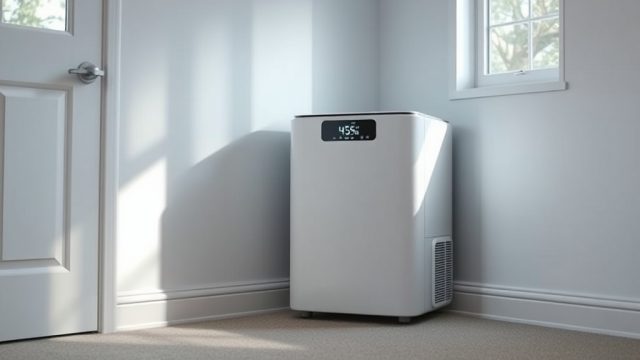
After treating mold with RMR-86 Instant Mold and Mildew Stain Remover, the affected surface is often left damp and porous. This powerful bleach-based cleaner eliminates mold stains quickly, but it does not address the underlying moisture that fosters regrowth. Using a high-quality dehumidifier post-treatment is essential to pull residual moisture from the air and surrounding materials, ensuring the area dries thoroughly and preventing mold from returning. Without proper dehumidification, even the best stain removal can be undone within weeks.
This guide focuses on selecting the best dehumidifier to pair with your RMR-86 application. We’ll cover capacity, features, and real-world performance to help you make an informed purchase. For a deeper dive into how RMR-86 compares to other products, see our RMR-86 vs Mold Armor FG502 Spray: Which Stain Remover Is Best? article.
What Size Dehumidifier Do You Need After RMR-86 Treatment?
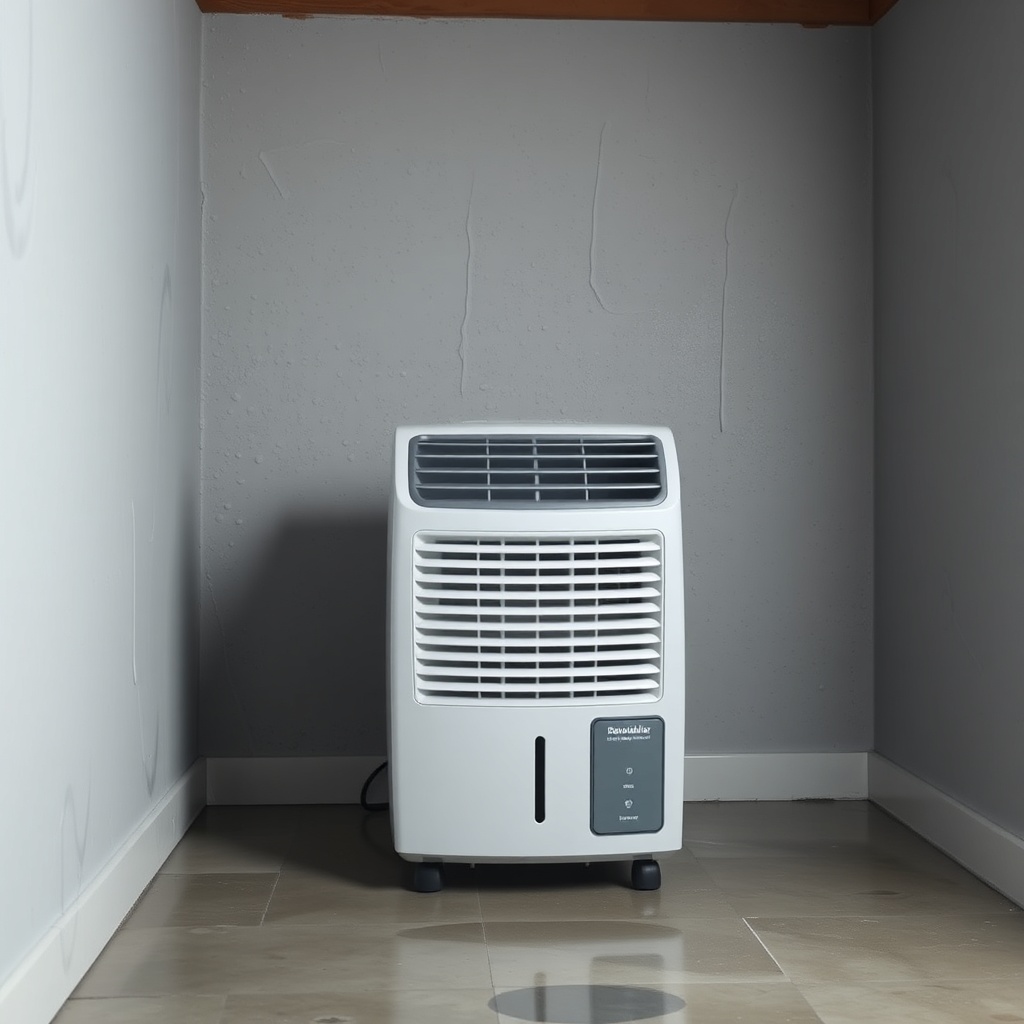
Dehumidifier capacity is measured in pints per day (PPD), indicating how much moisture the unit can remove in 24 hours. The size you need depends on the room’s square footage and how wet the area is after RMR-86 application. Generally, a small bathroom or closet may suffice with a 30-pint unit, while a large basement requires 70+ pints.
Consider these factors: RMR-86 leaves surfaces wet for 5–10 minutes on non-porous surfaces and longer on porous ones like drywall. In humid climates or areas with poor ventilation, moisture lingers. A dehumidifier accelerates drying, reducing the window for mold spore germination. For guidance on using RMR-86 on textured ceilings, check our Using RMR-86 on Popcorn Ceilings: A Complete Guide.
To help you match capacity to your space, here is a comparison table:
| Room Size (sq ft) | Recommended Capacity (PPD) | Typical Price Range (USD) | Example Environment |
|---|---|---|---|
| Up to 100 sq ft | 20–30 pints | $150–$250 | Small bathroom, laundry closet |
| 100–300 sq ft | 30–50 pints | $200–$400 | Average bedroom, small basement |
| 300–700 sq ft | 50–70 pints | $300–$600 | Large living room, mid-size basement |
| 700–1500 sq ft | 70+ pints | $500–$900 | Full basement, crawl space |
For severe mold infestations, opt for the upper range of capacity. Remember, RMR-86 works best on dry surfaces; a dehumidifier ensures exactly that.
How Do Features Like Pumps and Continuous Drain Help?
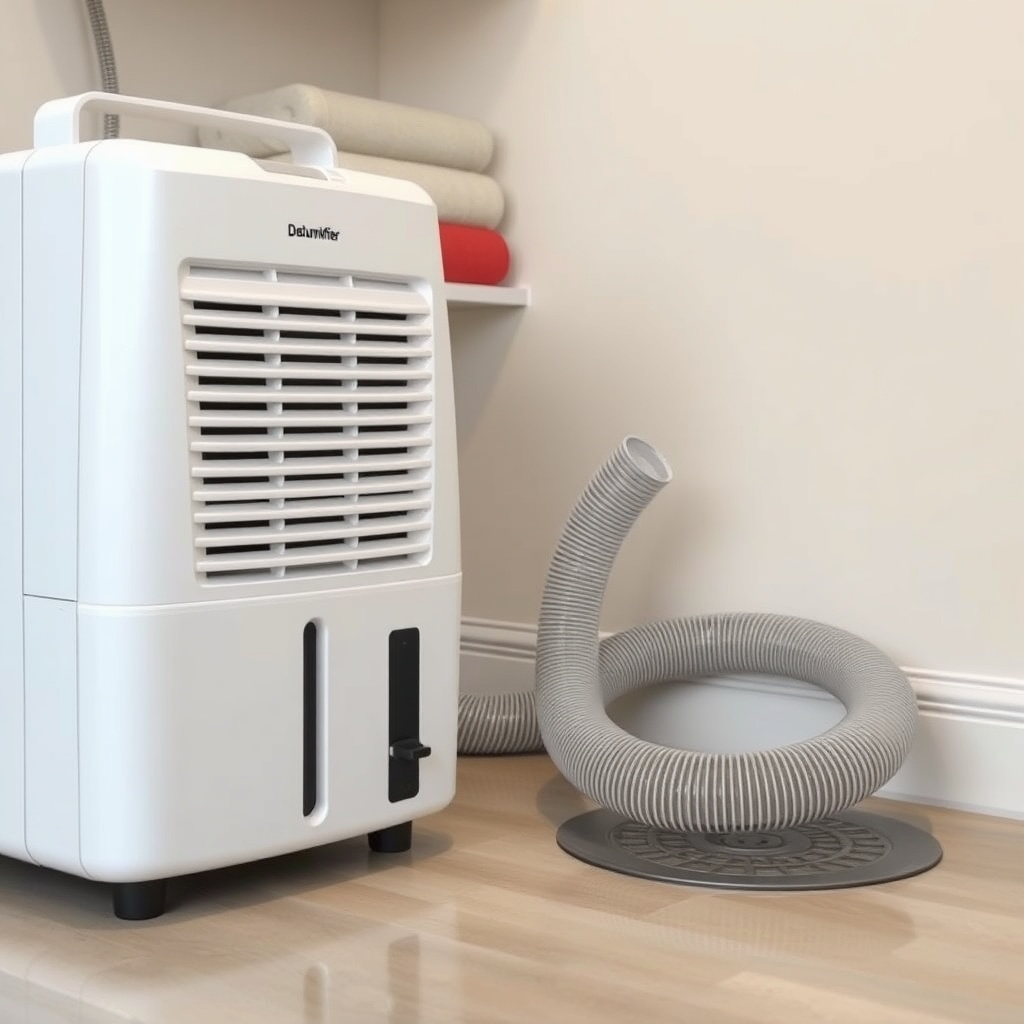
After using RMR-86, you may need to run the dehumidifier for 24–48 hours continuously. Features like a built-in condensate pump allow you to drain water upward—great for basements where gravity drainage isn’t possible. A continuous drain hose (with gravity) is more common, but both save you from emptying the tank repeatedly.
Other valuable features include:
- Auto-Humidistat: Automatically shuts off when humidity drops to a set point (ideal for maintaining 50% relative humidity).
- Washable Filters: Reduce maintenance costs; rinse them weekly during heavy use.
- Low-Temperature Operation: Essential for basements below 65°F (18°C), where some dehumidifiers struggle.
- Defrost Function: Prevents ice buildup on coils in cooler environments.
A pump model is recommended for basements or areas without floor drains. Pairing your dehumidifier with a HEPA vacuum for cleaning after RMR-86 treatment also removes dry mold spores, further reducing risk.
Top Dehumidifier Models for Post-RMR-86 Drying
Based on performance, reliability, and owner feedback, these units excel after RMR-86 treatments:
1. Frigidaire FFAD5033W1 (50 Pint)
- Removes 50 pints/day at 65% humidity; 30 pints/day at 80% humidity.
- Energy Star Most Efficient 2023; runs quietly (52 dBA).
- Continuous drain hose and washable filter. No built-in pump.
- Price: $299–$349 USD.
2. AlorAir Sentinel HD55 (55 Pint)
- Includes a built-in condensate pump (16 feet vertical lift).
- Auto-defrost and low-temp operation (38°F to 90°F).
- Permanent, washable filter. Continuous drain capable.
- Price: $399–$449 USD.
3. hOmeLabs Energy Star 70 Pint
- 70 pints/day at 90°F/90% RH; 50 pints/day under standard conditions.
- Digital display, auto-humidistat, and 6-hour timer.
- Continuous drain and washable filter. No pump.
- Price: $259–$299 USD (excellent value).
4. Aprilaire E070 (70 Pint)
- Built-in pump, ductable up to 100 feet.
- Commercial-grade build; works down to 35°F.
- Energy Star certified. Often used for large post-remediation drying.
- Price: $800–$1,000 USD.
For tile and grout applications, a smaller unit works fine—see our How to Use RMR-86 on Shower Tile Grout: A Step-by-Step Guide for specifics.
How to Set Up Your Dehumidifier for Optimal Drying
Proper placement maximizes moisture removal. Follow these steps after RMR-86 treatment:
- Position the unit in the center of the room, away from walls (at least 12 inches clearance).
- Close windows and doors to contain the area.
- Set target humidity to 50% or lower (45% is ideal for active drying).
- Use continuous drain mode if possible; otherwise, check the tank every 4–6 hours.
- Run for at least 24 hours after the treated surface feels dry to the touch.
- In basements, use a pump model to drain into a sink or utility tub.
Monitor with a hygrometer ($10–$20) to confirm the relative humidity stays below 55% for several days. If you<52>-re treating large areas, multiple dehumidifiers may be needed.
What Owners Say About Using Dehumidifiers with RMR-86
Real feedback from homeowners and professionals highlights consistency. John M., a contractor in Florida, states: “I use RMR-86 followed by a 70-pint hOmeLabs unit. In 48 hours, the smell is gone, and no regrowth in six months.” Homeowner Lisa T. from Oregon shares: “Our basement had black mold. After RMR-86, the AlorAir Sentinel kept it dry. The pump was key—no bucket emptying.”
Another user, Tom R., notes: “I tried a cheap 30-pint unit after RMR-86 on my shower tiles. It worked fine, but a bigger model would have been better for the whole room.” Common praise includes reduced drying time (24–48 hours versus 72+ without a dehumidifier) and prevention of mold returns.
Complaints are rare but include noise from pump models and the need for regular filter cleaning. Overall, owners recommend investing in a quality dehumidifier to protect the RMR-86 investment.
Frequently Asked Questions
Q1: Can I skip dehumidification after using RMR-86?
It is not recommended. Without a dehumidifier, residual moisture can take days to evaporate, especially in humid climates or porous materials. Mold spores can germinate within 24–48 hours if moisture remains above 60% relative humidity.
Q2: How long should I run a dehumidifier after RMR-86?
Run it continuously for at least 24–48 hours after the treated surface feels dry. Monitor the humidity level; once it stays below 50% for 12 hours, you can reduce usage.
Q3: What humidity level kills mold after RMR-86 treatment?
Relative humidity below 50% inhibits mold growth. A dehumidifier should be set to 45–50% to create an inhospitable environment for spores.
Q4: Do I need a dehumidifier for a small bathroom after RMR-86?
Yes, especially if the bathroom has no window or weak ventilation. A 20–30 pint unit works well for standard bathrooms.
Q5: Can I use a dehumidifier with a built-in air purifier?
Yes, but ensure the dehumidifier capacity matches your room size. Some units include HEPA filters, which complement a HEPA vacuum for cleaning after RMR-86 treatment.
Q6: What is the estimated energy cost of running a dehumidifier after RMR-86?
Most 50–70 pint units consume 500–700 watts, costing about $0.10–$0.15 per hour (USD). Running 48 hours adds roughly $5–$7 to your electric bill.