Why Is a HEPA Vacuum Essential After Using RMR-86?
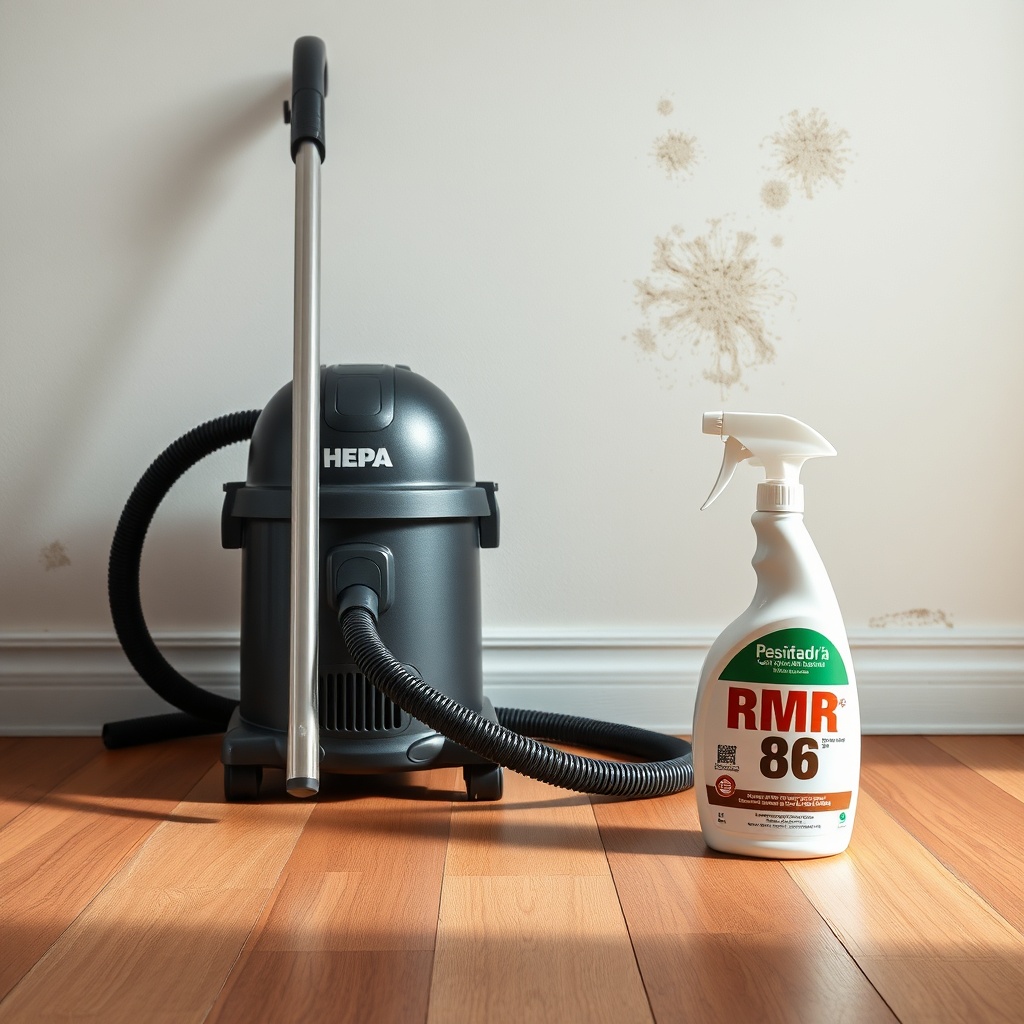
After applying RMR-86 Instant Mold & Mildew Stain Remover, you face a critical cleanup step: safely removing dead mold spores, dried chemical residue, and any loosened debris. The spray works quickly, often within seconds, to lift stains from surfaces like wood, drywall, and concrete. But the process does not render mold spores harmless—it merely removes the visible discoloration. Microscopic fragments can remain airborne, and inhaling them poses respiratory risks. A high-quality HEPA vacuum is not optional; it is the only method certified to capture 99.97% of particles down to 0.3 microns, including mold spores and fine dust. Standard shop vacs or household vacuums with standard filters will recirculate these particles, defeating the purpose of the remediation. This article evaluates the best HEPA vacuums for post-RMR-86 cleaning, focusing on suction power, filtration integrity, and ease of use in residential and commercial settings.
What Should You Look for in a HEPA Vacuum for Mold Cleanup?
Not all HEPA vacuums are created equal, especially when dealing with wet or damp environments left after RMR-86 treatment. The ideal unit must meet several criteria:
- True HEPA Filtration: Look for the “True HEPA” certification, not “HEPA-like” or “HEPA-type.” True HEPA captures at least 99.97% of particles at 0.3 microns. This is critical for trapping mold spores that become aerosolized during vacuuming.
- Sealed Construction: Even with a HEPA filter, air leaks around the filter housing or seals allow unfiltered air to escape. A sealed system ensures all air passes through the filter.
- Suction Power (Air Watts): For removing dried residue from textured surfaces like popcorn ceilings, high suction (200+ air watts) is necessary. Lower suction may leave behind fine dust.
- Wet/Dry Capability: RMR-86 can leave a slightly damp surface after application. A wet/dry HEPA vacuum handles both liquid overspray and dry debris without damaging the motor or clogging the filter.
- Easy Filter Maintenance: A pre-filter or cyclonic action reduces HEPA filter clogging. Washable filters lower long-term costs.
- Nozzle Attachments: Crevice tools, brush heads, and upholstery nozzles help reach corners, baseboards, and textured surfaces without scratching.
| Model | True HEPA | Wet/Dry | Air Watts | Price (USD) | Best For |
|---|---|---|---|---|---|
| Nilfisk Advance GD 930 | Yes (Class H) | Dry only | 240 | $1,299 | Professional mold remediation |
| Shop-Vac 5989300 HEPA | Yes | Yes | 185 | $159 | Residential cleanup |
| Dyson V15 Detect | Yes (sealed) | No (Dry only) | 210 | $749 | Hard floors and tight spaces |
| Miele Complete C3 HEPA | Yes | No (Dry only) | 130 | $899 | Quiet operation on carpet |
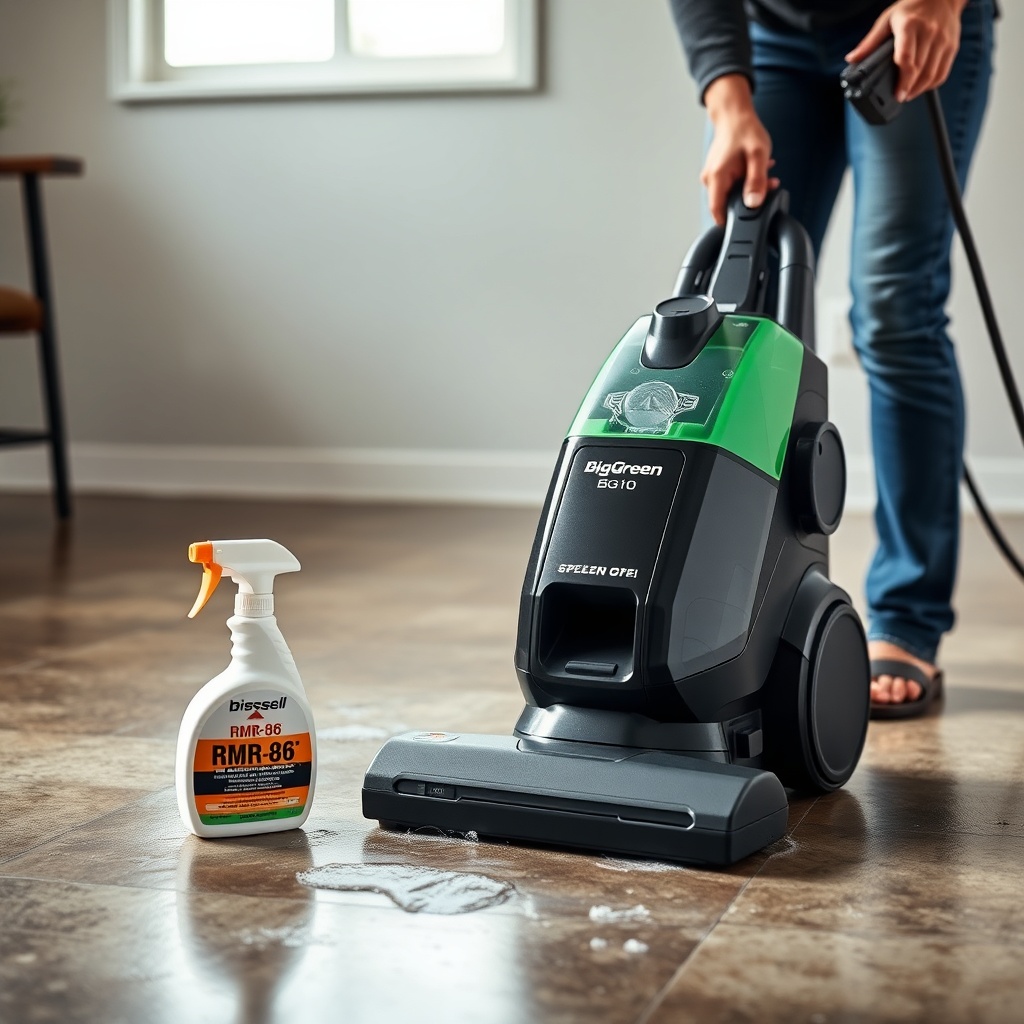
| Bissell BigGreen BG10 | Yes | Yes | 220 | $299 | Large area wet/dry cleanup |
Which HEPA Vacuum Offers the Best Suction for Mold Spore Removal?
Suction strength directly affects how thoroughly you remove mold spores and residual chemicals. Weak suction may leave behind a fine layer of particles that re-adhere to surfaces. For post-RMR-86 work, the Nilfisk Advance GD 930 stands out with 240 air watts and a Class H HEPA filter (certified for hazardous materials). Its sealed system and micro-filtration are designed for asbestos and lead removal, making it overkill but highly effective for mold. However, at $1,299, it is an investment best suited for professionals or severe infestations. For most home users, the Bissell BigGreen BG10 offers 220 air watts at a much lower price ($299). Its wet/dry capability handles liquid overspray from RMR-86, and the included squeegee tool helps clean flat surfaces. Both models feature large-diameter hoses to prevent clogging from fine debris.
On the portable side, the Dyson V15 Detect provides 210 air watts in a cordless stick format. While not wet/dry, its laser illumination reveals invisible dust particles, helping you ensure no residue remains. However, its small dustbin (0.2 gallons) requires frequent emptying during large jobs. For thorough cleaning after RMR-86 on porous materials like concrete, a full-sized canister or drum vacuum is more efficient.
What Is the Best Budget-Friendly HEPA Vacuum for DIY Cleaning?
If you are tackling a small area of mold on drywall or wood after applying RMR-86, you do not need a $1,300 machine. The Shop-Vac 5989300 HEPA is a strong contender for budget-conscious homeowners. Priced at $159, it delivers 185 air watts with a 6-gallon capacity. It includes a cartridge HEPA filter and a foam sleeve for wet pickups. The wet/dry functionality is useful if you over-spray RMR-86 or need to vacuum damp surfaces after rinsing. Its main drawback is that the HEPA filter is not pre-filtered, so fine dust can clog it faster. Many users report replacing the filter every 3-6 months with regular mold cleanup. Despite this, the unit is lightweight (12 lbs) and easy to maneuver around furniture. For comparison, the RMR-86 vs Mold Armor FG502 Spray debate often ends with RMR-86 users needing a vacuum that can handle the residue left by its potent formula—this Shop-Vac fits that need without breaking the bank.
For those who prefer a canister design, the Miele Complete C3 HEPA (around $899) is quieter and more compact, with a sealed system and 130 air watts. While sufficient for dry debris on hard floors, its lack of wet/dry capability limits its use if you accidentally vacuum damp areas. It is best suited for final HEPA vacuuming after the surface is completely dry.
What Features Do Owners Praise About These HEPA Vacuums?
Real-world feedback from homeowners and contractors reveals common themes. Owners of the Nilfisk Advance GD 930 highlight its exceptional filtration and durability—one professional remediator on a forum stated, “After using RMR-86 on a 2,000 sq ft basement, the GD 930 pulled up every trace of residue; I felt confident the air was safe.” They also note the high replacement filter cost ($80–$120 each).
Bissell BigGreen BG10 users frequently mention the powerful suction and large capacity. A renovation contractor wrote, “I used it to clean up after RMR-86 on a popcorn ceiling job—the squeegee tool was a lifesaver for flat areas, and the 6-gallon tank meant fewer trips to empty.” Complaints center on the noise level (about 80 dB) and the 12-ft hose being slightly short for large rooms.
Shop-Vac 5989300 owners appreciate the affordability and solid performance on small areas. One DIYer noted, “For a one-time bathroom mold cleanup, this was perfect. It handled the damp dust without issues, though I wish the filter was easier to clean.” The Dyson V15 Detect earns praise for its cleaning precision—users love the laser dust detection for verifying a surface is truly clean after RMR-86 application. However, many caution that its battery life (up to 60 minutes on low) is insufficient for large-scale jobs.
Overall, the consensus is that a dedicated HEPA vacuum is a non-negotiable step after using RMR-86, with budget and job size determining the best model.
Frequently Asked Questions
Q1: Can I use a regular household vacuum instead of a HEPA vacuum after RMR-86?
No. A regular vacuum typically uses a standard filter that allows particles as small as 0.5–1 micron to pass through. Mold spores are 1–30 microns in size, but many fragments are smaller. Only a HEPA filter captures 99.97% of particles at 0.3 microns. Using a non-HEPA vacuum will recirculate mold spores into the air, worsening contamination and defeating the purpose of the treatment.
Q2: Should I vacuum wet or dry after RMR-86 treatment?
Always wait until the treated surface is completely dry. RMR-86 dries within minutes to an hour depending on humidity. Vacuuming while damp can cause the debris to stick to surfaces or damage the vacuum motor if it is not a wet/dry model. If you must vacuum a damp area, use a wet/dry HEPA vacuum with the appropriate filter.
Q3: How often should I replace the HEPA filter after mold cleanup?
Replace the HEPA filter after each major mold remediation job, or every 6 months with regular use. Mold spores can lodge in the filter media, reducing efficiency and potentially growing if the filter becomes damp. For budget models like the Shop-Vac 5989300, monthly inspection is recommended—if the filter appears discolored or smells musty, replace it immediately.
Q4: Can I use a HEPA vacuum on textured ceilings after RMR-86?
Yes, but use a soft brush attachment to avoid damaging the texture. For popcorn ceilings, the guide Using RMR-86 on Popcorn Ceilings: A Complete Guide recommends light suction and slow passes to prevent pulling off loose material. A HEPA vacuum with adjustable suction (like the Miele C3) is ideal for this task.
Q5: Does RMR-86 require rinsing after application, and does that affect vacuuming?
Generally, RMR-86 does not require rinsing—once the stain disappears, you can let the area dry. However, some surfaces like food-grade materials or indoor plants may benefit from mild rinsing. If you rinse, allow the surface to dry completely before vacuuming to prevent moisture damage to the vacuum and filter.
Q6: Is it safe to use a HEPA vacuum on surfaces treated with RMR-86 if there are pets or children in the house?
Yes, as long as you follow precautions. RMR-86 is a strong oxidizer containing sodium hypochlorite and proprietary surfactants. Wait until the area is dry and ventilated. HEPA vacuuming removes residual chemicals and dead spores, making the area safer. Keep pets and children away during vacuuming to avoid ingesting kicked-up dust, and rinse the vacuum’s external surfaces after use.