Best HEPA Vacuum for Cleaning After Concrobium Mold Control Treatment
After applying Concrobium Mold Control to kill and encapsulate mold spores, the next crucial step is thorough dry removal of the treated debris and any residual particles. A high-quality HEPA vacuum is essential for capturing microscopic mold fragments without re-releasing them into your indoor air, ensuring your property remains safe and mold-free. Selecting the right vacuum model can be challenging, but this guide will help you choose the best HEPA vacuum to pair with your Concrobium treatment regimen.
What Is Concrobium Mold Control and Why Do You Need a HEPA Vacuum?
Concrobium Mold Control is a non-toxic, sodium carbonate-based solution that works by physically crushing mold spores upon drying, leaving behind an invisible barrier that resists future growth. Unlike bleach-based products, Concrobium does not create harmful fumes and is safe for use on many porous and non-porous surfaces. However, even after applying Concrobium and allowing it to dry completely, dead mold residue and dust must be removed. This is where a true HEPA vacuum becomes indispensable. Standard shop vacuums or household vacuums often expel fine particles back into the air, causing contamination. A HEPA vacuum traps 99.97% of particles as small as 0.3 microns, including mold spores, making it the only safe choice for post-treatment cleanup. For a deeper understanding of how Concrobium works, check our in-depth Concrobium Mold Control Review: Does It Really Kill Mold?
Why Is HEPA Filtration Critical for Mold Remediation After Concrobium?
Mold spores are microscopic and can easily become airborne during cleanup. When you vacuum treated areas, any non-HEPA vacuum will release these spores back into your living space, potentially causing new colonies to form. HEPA filtration ensures that captured mold spores remain locked inside the vacuum. This is particularly important after using Concrobium because the treated mold is physically broken down and may appear as fine dust. Even though Concrobium encapsulates spores, physical removal still poses inhalation risks. A Best Air Purifier to Pair with Concrobium Mold Control Treatment can further improve air quality, but a HEPA vacuum remains the primary tool for surface cleanup. Look for vacuums that are labeled “true HEPA” or “certified HEPA” to ensure compliance with rigorous standards. Avoid models that only claim “HEPA-type” filtration, which may not meet the same efficiency requirements.
What Should You Look for in a HEPA Vacuum for Post-Concrobium Cleanup?
When selecting a HEPA vacuum for mold remediation after Concrobium treatment, consider these essential features:
- True HEPA Filtration: Ensure the vacuum has a certified HEPA filter capable of capturing 99.97% of particles at 0.3 microns. Check for certification from organizations like IBR Laboratories.
- Sealed System: Look for vacuums with sealed body construction to prevent air leaks that could bypass the filter. A sealed system ensures all air passes through the HEPA filter.
- Washable or Replaceable Filters: Mold cleaning generates debris that can clog filters quickly. Options with washable pre-filters or easily replaceable HEPA filters reduce maintenance costs.
- Power and Agitation: For mold on carpets or upholstery, a vacuum with a rotating brush or power head can loosen embedded spores. However, ensure the brush is easy to clean and does not create excessive dust.
- Capacity and Portability: Large-capacity canister vacuums are ideal for basements or entire rooms, while compact models suit tight spaces like bathrooms. For concrete basement work, see our Using Concrobium Mold Control on Concrete Basement Walls: A Step-by-Step Guide for complementary advice.
- Wet/Dry Capability: If you accidentally spray excess Concrobium or need to vacuum damp areas, a wet/dry HEPA vacuum offers added versatility. Some models include a dedicated HEPA filter for wet pickup.
Top HEPA Vacuum Recommendations for Cleaning After Concrobium
Based on performance, filtration quality, and user feedback for mold remediation, here are five reliable HEPA vacuums suitable for cleanup after Concrobium treatment. Prices are approximate in US dollars (USD) and may vary by retailer.
| Model | Type | HEPA Certification | Capacity (gallons) | Key Features | Approx. Price (USD) |
|---|---|---|---|---|---|
| Nilfisk Alto Wet/Dry HEPA 13 | Canister wet/dry | Certified HEPA 13 | 6.5 | Sealed system, washable pre-filter, low noise | $400 |
| Miele Complete C3 Cat & Dog | Canister dry | Certified HEPA AirClean | 4.8 | Sealed system, power brush, air quality indicator | $550 |
| DeWalt DXV18BW6.5P HEPA | Wet/dry shop vac | Certified HEPA | 6.5 | Wet/dry, large capacity, durable for heavy use | $180 |
| Sanitaire Quiet Clean SC887 | Upright commercial | Certified HEPA | 2.5 | Lightweight, sealed system, ideal for bare floors | $300 |
| LG CordZero A9 Ultimate | Stick cordless | Certified HEPA | 0.5 | Portable, washable filter, anti-tangle brush | $450 |
When selecting a vacuum, consider the size of your project and the surface types involved. For extensive basement mold removal, the DeWalt DXV18BW6.5P offers high capacity and affordability, while the Nilfisk Alto delivers superior filtration for smaller, sensitive areas. If you are unsure whether Concrobium is right for your specific mold problem, read our comparison Concrobium Mold Control vs Mold Armor FG502: Which Is Better? to make an informed choice.
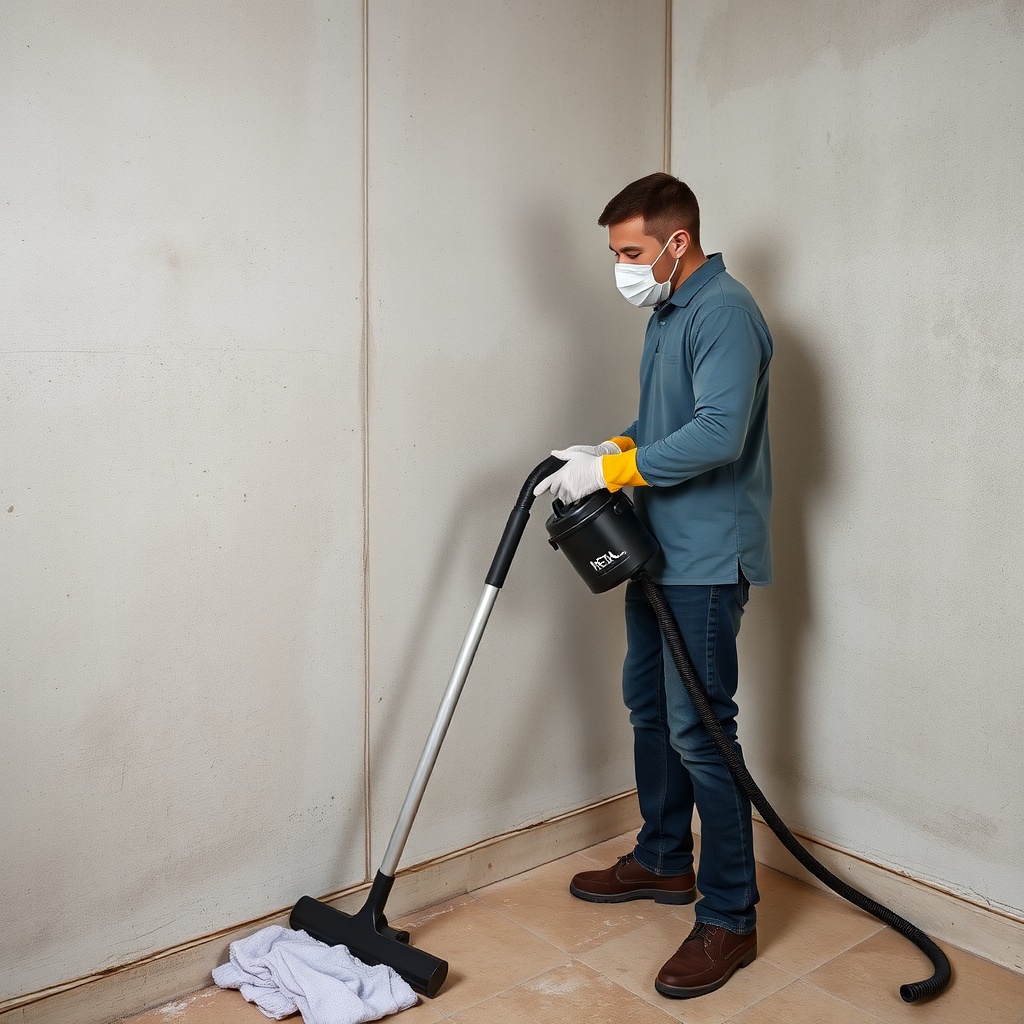
How Do You Properly Use a HEPA Vacuum After Concrobium Application?
Follow these steps to maximize effectiveness and safety when vacuuming after Concrobium treatment:
- Allow Concrobium to Dry Completely: After spraying Concrobium on affected surfaces, let it dry for at least 24–48 hours. The solution physically crushes spores as it crystallizes, so rushing the drying process reduces efficacy. During this time, ventilate the area properly.
- Wear Protective Gear: Even though Concrobium is non-toxic, dry mold debris can still trigger allergic reactions. Use an N95 mask, gloves, and safety goggles.
- Pre-Vacuum Preparation: Use a damp cloth to gently wipe down surfaces to loosen remaining dust. Avoid dry wiping which can aerosolize spores.
- Vacuum in Multiple Passes: Make overlapping slow passes over treated areas to allow the HEPA filter to capture particles. For carpets, use the power head; for hard surfaces, use the bare floor tool.
- Empty and Clean the Vacuum Immediately: After use, empty the canister or replace the bag outdoors. Wash any washable filters per manufacturer instructions. Rinse the hose and attachments with water to remove any trapped debris.
- Dispose of Waste Properly: Place vacuum bags or debris in sealed plastic bags before discarding. If mold growth was extensive, consider double-bagging.
For thorough basement mold removal, combining this vacuum method with proper sealing techniques can prevent recurrence. Our guide on How to Remove Basement Mold with Concrobium Mold Control: DIY Guide provides a step-by-step workflow.
What Owners Say About HEPA Vacuums for Concrobium Cleanup
Users who have combined Concrobium with a quality HEPA vacuum report significantly improved outcomes. Many homeowners on forums emphasize that a budget-friendly shop vac without true HEPA certification led to regrowth within weeks, while those who invested in a certified HEPA model noticed immediate air quality improvements. One user commented, “After using Concrobium on my basement walls, I vacuumed with a Nilfisk Alto. The filter caught fine dust that I never saw before. The air felt clean within hours.” Another reviewer noted that the Miele C3 Cat & Dog eliminated lingering odors post-treatment. However, some caution that cordless stick vacuums like the LG CordZero may have limited battery life for large rooms, requiring multiple charging sessions. Overall, consensus points to sealed system models as the most reliable for mold remediation tasks. For accurate mold testing before and after treatment, consider using the Concrobium Mold Control with Test Kit: Complete Review to verify success.
Frequently Asked Questions
1. Can I use a regular vacuum after Concrobium treatment?
No. Regular vacuums without HEPA filters expel mold spores back into the air, potentially causing new growth and health issues. Only use a certified HEPA vacuum with a sealed system.
2. How long should I wait after applying Concrobium before vacuuming?
Wait at least 24–48 hours for the solution to dry completely. The drying time depends on humidity and temperature. Check for a dry, white crystalline residue on surfaces before vacuuming.
3. Do I need to pre-wet surfaces before vacuuming?
Yes, light damp wiping with a clean cloth can help reduce dust. However, do not spray water or cleaning agents directly before vacuuming, as it may reactivate mold spores.
4. How often should I replace the HEPA filter during post-treatment cleanup?
If you vacuum an entire room with visible mold debris, replace the HEPA filter immediately after the session. For light cleanup, a filter can last for 3–6 months, but check manufacturer guidelines.
5. Can a HEPA vacuum be used for wet Concrobium spills?
Only if the vacuum is rated for wet pickup and uses a designated wet-use HEPA filter. Standard dry HEPA filters will become clogged and damaged by moisture.
6. Is it safe to vacuum mold after Concrobium if I have asthma?
Yes, but ensure you wear an N95 mask and work in a well-ventilated area. Using a certified HEPA vacuum minimizes airborne particles. If symptoms occur, stop and consult a doctor.