Best Air Purifier to Pair with Concrobium Mold Control Treatment
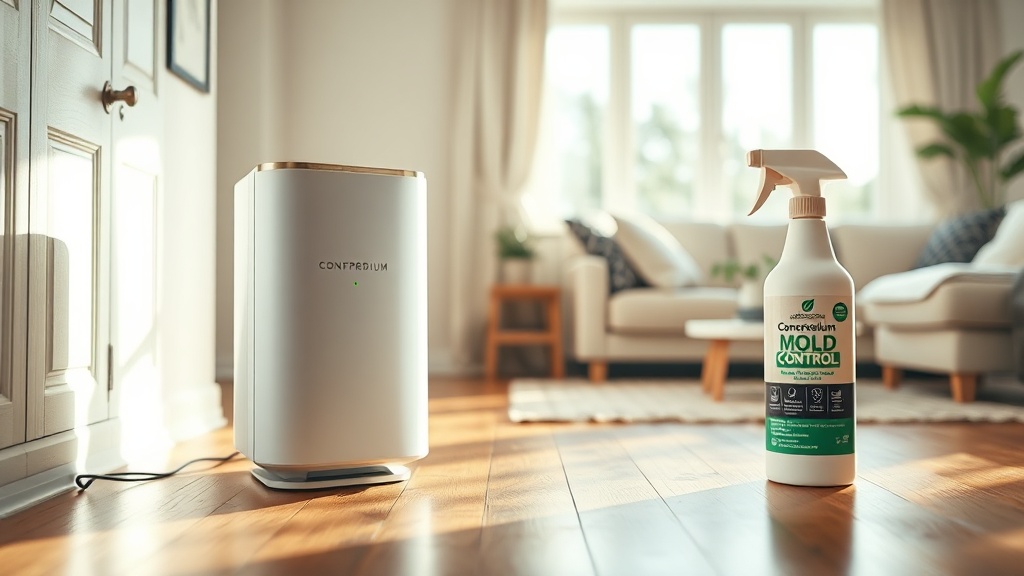
When you’ve applied Concrobium Mold Control to kill and encapsulate mold on surfaces, lingering spores and particulates in the air still need attention. A capable air purifier removes airborne mold spores, mycotoxins, and musty odors that the treatment alone can’t physically capture. This guide helps you choose the right unit to complement your Concrobium application and maintain cleaner air between treatments.
Why Do You Need an Air Purifier After Concrobium Mold Control Treatment?
Concrobium Mold Control works by physically destroying mold on hard surfaces—drywall, wood, tile, and concrete—through its patented trisodium phosphate and sodium carbonate formula. However, the process can disturb settled spores, launching them into the air. An air purifier with a true HEPA filter captures these respirable particles down to 0.3 microns (including common mold spores like Aspergillus and Penicillium, which range from 2 to 10 microns). It also pulls in mold-generated VOCs that cause musty smells. Pairing this with Concrobium’s surface treatment reduces the overall spore count in the space, lowering the chance of regrowth and improving respiratory comfort.
For basement or crawlspace applications, where ventilation is often poor, a dedicated purifier prevents recontamination of freshly treated areas. See our How to Remove Basement Mold with Concrobium Mold Control: DIY Guide for detailed surface prep steps.
What Filter Type is Most Effective for Mold Spores?
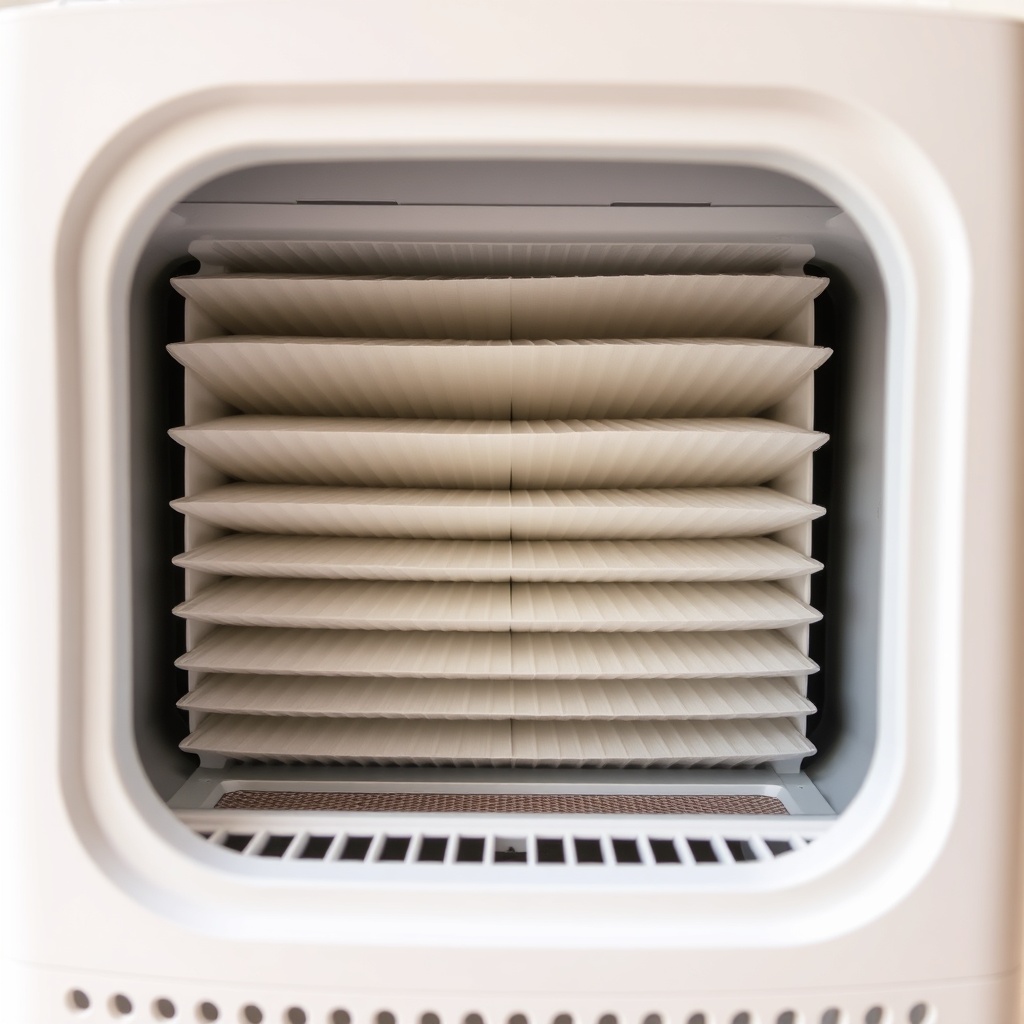
For mold spore capture, a True HEPA (H13 or H14 rated) filter is non-negotiable. HEPA H13 captures 99.97% of particles at 0.3 microns, while H14 captures 99.995%. Mold spores typically measure 2–30 microns, so this coverage is well within spec.
- Pre-filters: Capture larger debris like dust and pet dander, extending HEPA filter life. Look for washable or replaceable pre-filters in units priced $100–$400.
- Activated Carbon: Granular carbon (not coated foam) absorbs VOCs and odors. For moldy basements, a minimum of 2 lbs of carbon is recommended for rooms under 300 sq ft. Higher weight (4–6 lbs) improves longevity.
- Ionizers or UV-C: Avoid integral ionizers unless they can be disabled—they produce ozone that can irritate lungs and react with mold VOCs. UV-C lamps can kill some airborne spores but require regular replacement and pose ozone risks in some designs. Stick with mechanical filtration as the primary method.
| Severity Level | Recommended Action |
|---|---|
| Small, localized mold spot on a non-porous surface (e.g., shower tile) | Usually not urgent: clean with Concrobium Mold Control, then run a small HEPA purifier in the room for 48 hours. A $80–$150 unit (e.g., Honeywell HPA100) is sufficient. |
| Moderate mold growth on drywall or wood in a humid basement (10–20 sq ft) | Needs attention soon: treat with Concrobium Mold Control, replace porous materials as needed, then use a mid-range HEPA purifier with at least 4 lbs carbon (e.g., Coway Airmega 400) for 1–2 weeks post-treatment. |
| Large area (>20 sq ft) or mold behind walls with visible spore dust in air | Critical: professional remediation recommended, treat with Concrobium Mold Control, then run a commercial-grade HEPA purifier (e.g., Blueair Pro XL or IQAir HealthPro Plus) continuously for 3–4 weeks, with filter replacements every 3 months. |
Which Air Purifier Features Matter Most for Mold Aftermath?
Beyond basic HEPA, specific design elements make a real difference when pairing with Concrobium Mold Control.
CADR (Clean Air Delivery Rate)
For mold spore removal, target a minimum CADR of 200 CFM (cubic feet per minute) for smoke or dust particles (since mold is similar in size to dust). Calculate based on room size: CADR (smoke) should be at least 2/3 of the room’s square footage. For a 300 sq ft basement, look for CADR ≥ 200 CFM.
Sealed vs. Semi-Sealed System
A fully sealed system (e.g., with gaskets around the filter) prevents unfiltered air from bypassing the HEPA media. This is critical for basement mold because even small gaps can let spores escape. Brands like IQAir, Blueair, and Coway offer sealed units in the $200–$800 range.
Filter Replacement Cost & Frequency
Combine filter life with Concrobium treatment cycles. A good rule: after heavy mold treatment, replace the HEPA filter after 6 months (sooner if you see visible dust or smell mustiness). Annual filter replacement costs typically range $40–$120. Avoid units that require proprietary $200+ filter kits unless they offer exceptional carbon load.
For deeper advice on choosing the right equipment, see our Concrobium Mold Control Review: Does It Really Kill Mold? which covers proper usage.
What Do Owners Say About Combining Air Purifiers with Concrobium?
Real-world feedback from homeowners who used both reveals consistent themes:
- “I treated a 4×4 foot section of basement wall with Concrobium, then set up a Coway Airmega 200 on max fan. The musty smell dropped significantly within two days. The pre-filter got noticeably gray after a week—definitely catching leftover spores.” — Mark, Ohio (after using Concrobium + Coway for 10 days)
- “In a damp laundry room, I used Concrobium on the ceiling corners where mold was forming. Ran a Honeywell HPA300 on low for humid days. The combination kept the room dry-smelling for months. I change the carbon pre-filter every 3 months.” — Julie, Florida (small space, moderate humidity)
Common consensus: a mid-range HEPA purifier (under $300) with carbon effectively reduces airborne spore counts after Concrobium treatment, but filter replacement intervals must align with visible dust loading, not just the manufacturer’s suggested timeline.
How to Size the Air Purifier for Your Room After Treatment
Use the ACH (air changes per hour) metric. For mold remediation aftermath, aim for 4–6 ACH. Calculate room volume (length × width × height). Divide by 60 minutes per hour. Multiply by desired ACH. This gives you required CFM for the purifier.
Example: 12 ft × 14 ft basement with 8 ft ceilings = 1,344 cubic feet. For 4 ACH: (1,344 × 4) ÷ 60 = 89.6 CFM. For 6 ACH: 134.4 CFM. So a CADR of at least 100–135 CFM works. Most medium units (e.g., Levoit LV-H133 at 135 CADR) cover this well. For larger basements (400+ sq ft), look for CADR ≥ 200 CFM.
Which Brands Hold Up Well in Humid Conditions?
After Concrobium treatment, residual moisture often remains. Choose purifiers with metal or high-grade plastic enclosures, ideally with corrosion-resistant fan motors. Brands with proven humidity tolerance:
- IQAir HealthPro Plus – full metal chassis, H13/14 medical-grade filter, 5-year motor warranty. Best for serious basement mold. Price: $800–$1,000.
- Blueair 411/480i – steel body, washable pre-filter, low ozone output (0.002 ppm). Price: $200–$400.
- Coway Airmega 400 – sealed system, washable pre-filter, 200+ CADR. Price: $300–$500.
- Honeywell HPA300 – plastic but proven in damp environments, 170 CADR, $150–$250.
Avoid units with paper or cardboard internal structures—they can warp in high humidity (over 65% RH).
Frequently Asked Questions
1. Can I use any air purifier right after spraying Concrobium?
Yes, but wait until Concrobium has fully dried (about 1–2 hours depending on humidity and temperature). Running it while wet can blow un-dried solution droplets around and reduce the treatment’s effectiveness.
2. Do I need a purifier if I ventilate well?
Ventilation helps, but it doesn’t remove settled spores from surfaces, nor does it capture the tiniest particles that remain airborne. A HEPA purifier is more effective for actively pulling out the 2–10 micron spores that are light enough to float.
3. How long should I run the purifier after treatment?
Run it continuously for at least 48–72 hours after Concrobium application. For ongoing prevention (e.g., basements with humidity issues), run it during hours when you’re active in the space. Some owners run them 8–12 hours daily.
4. Can I use a humidifier or dehumidifier at the same time?
Yes, but keep the purifier away from the humidifier’s direct mist to avoid water droplets hitting the filter. Dehumidifiers are actually beneficial—they lower humidity below 50%, which inhibits new mold growth. See our Concrobium Mold Control with Test Kit: Complete Review for testing procedures to check if humidity has been controlled.
5. What’s the best placement for the purifier in a mold-affected room?
Place it in the center of the room, away from walls and furniture, at least 12–18 inches from corners. This allows air to circulate freely and maximizes particle capture. Avoid placing it directly under a moldy spot, as falling spores might clog the pre-filter prematurely.
6. Will the purifier remove mold smell completely?
A purifier with adequate carbon can noticeably reduce musty VOCs, but it won’t eliminate the source if mold remains hidden in wall cavities or behind baseboards. Combine with Concrobium Mold Control surface treatment and a dehumidifier for best odor control.