Best HEPA Vacuum for Cleaning After Mold Armor FG502 Treatment
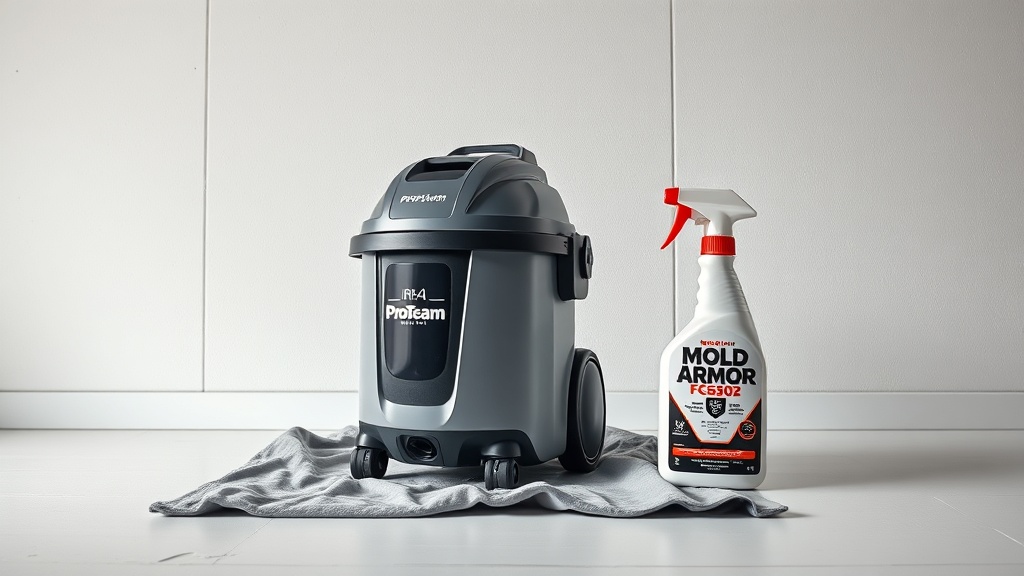
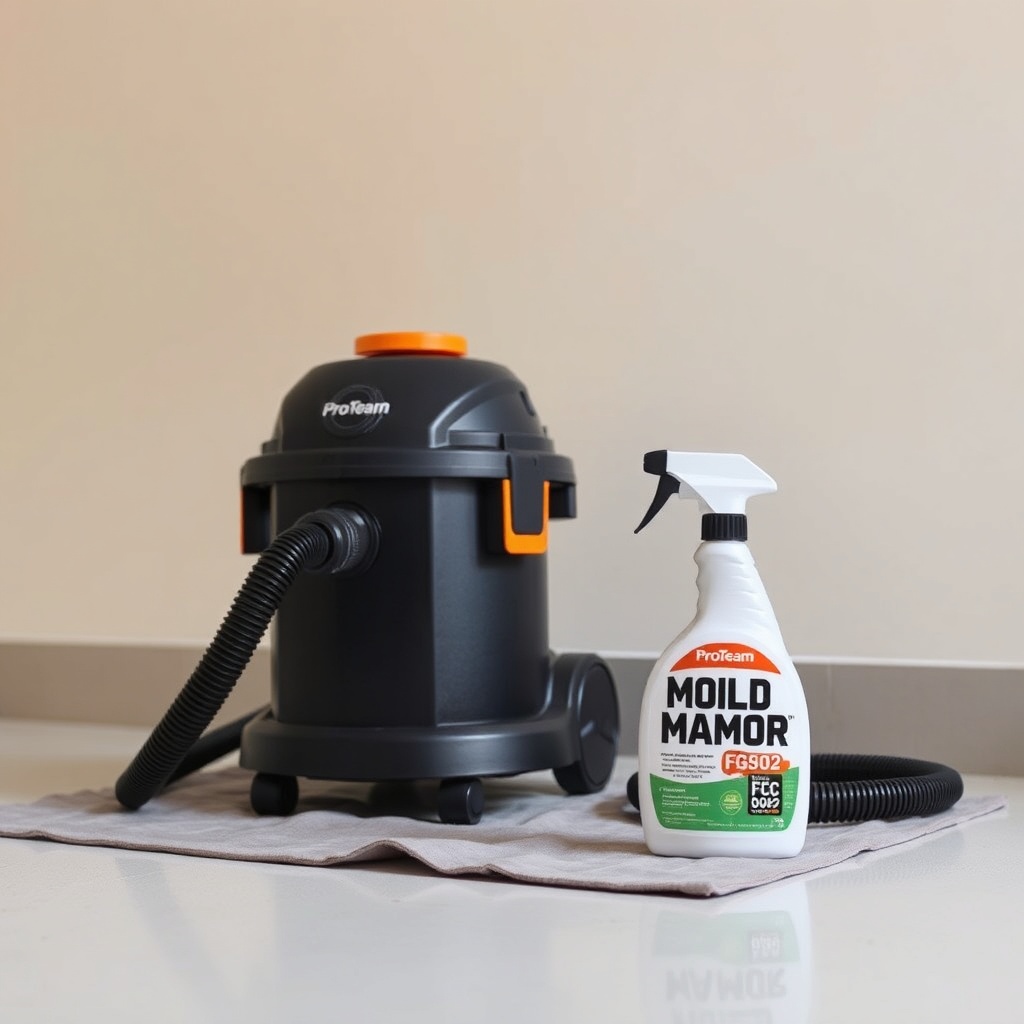
After applying Mold Armor FG502, the treated surface often leaves behind dried residue and dead mold spores that must be thoroughly removed. A high-quality HEPA vacuum is the safest and most effective tool for this cleanup, preventing airborne contamination while ensuring a pristine finish. This guide focuses specifically on selecting the best HEPA vacuum for post-FG502 restoration, based on real-world results and technical requirements.
What HEPA Vacuum Features Are Critical for Mold Armor FG502 Residue?
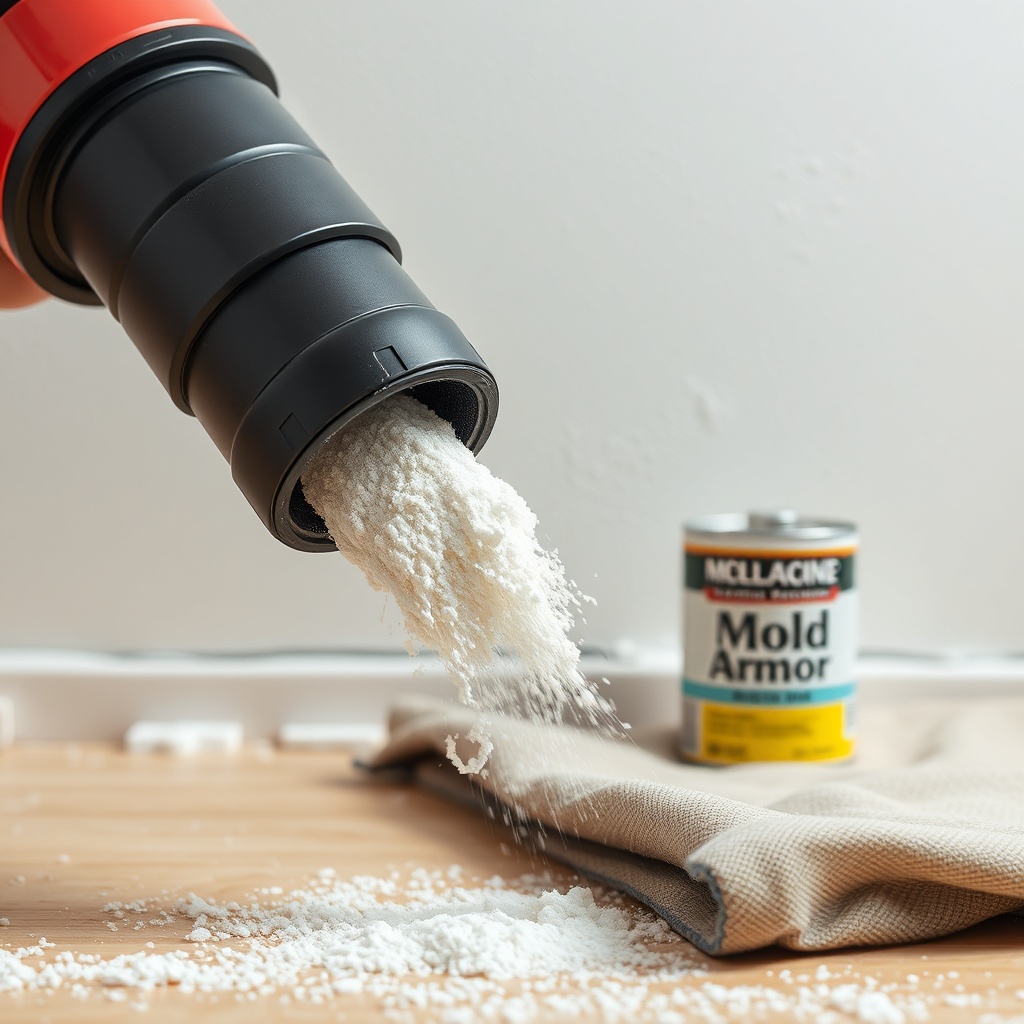
Mold Armor FG502 dries into a brittle, powdery residue that contains both the chemical footprint and neutralized mold spores. A standard vacuum will simply blow these particles back into the air. The critical features for this task include a true HEPA H13 or H14 filter that captures 99.97% of particles down to 0.3 microns, a sealed system to prevent bypass leakage, and a motor that can handle fine dust without clogging. Additionally, a vacuum with a washable pre-filter or cyclonic action will extend the life of the main HEPA filter when tackling the chalky FG502 residue.
For best results, choose a model with a crevice tool and a brush attachment—the FG502 residue often accumulates in corners and along baseboard seams. Avoid vacuums that claim “HEPA-type” or “HEPA-style” filtration; only certified true HEPA models provide the necessary containment for mold byproducts.
Do You Need a Wet/Dry HEPA Vacuum or a Dry-Only Model for FG502 Cleanup?
Mold Armor FG502 is applied as a liquid, but after the recommended 24-hour dwell time, the surface is completely dry. Therefore, a dry-only HEPA vacuum is perfectly adequate for post-treatment cleaning. However, many professionals prefer a wet/dry HEPA vacuum because it can handle any accidental spills during the application process and can later be used for damp wiping following the vacuuming step. If you plan to use a damp cloth after vacuuming to remove any remaining haze, a wet/dry model offers added versatility. For most homeowners, a dedicated dry HEPA vacuum like the Nilfisk GM 80 or the ProTeam ProForce 1500 XP is sufficient and often lighter to maneuver.
One caveat: if you are dealing with active moisture behind the mold (which FG502 itself does not address), a wet/dry HEPA vacuum becomes essential for extracting standing water before treatment. In typical FG502 use on dry surfaces, a dry HEPA vacuum is the right tool.
Which HEPA Vacuum Brands Are Most Reliable for Mold Remediation After FG502?
For mold restoration work involving Mold Armor FG502, reliability means consistent suction, durable filter seals, and easy maintenance. The most trusted brands in professional mold cleanup include Nilfisk (models like GD 930 and GM 80), ProTeam (Coil 10 HP or ProForce 1500 XP), and Makita (VC4210L with self-cleaning filter). These brands are specifically designed for fine dust and hazardous particulate containment, not just household debris. Consumer brands like Dyson and Shark lack the necessary filter bypass sealing for safe mold spore cleanup. While their HEPA claims are valid for general dust, the construction of the vacuum body and hose connections on pro-grade units is superior for containing FG502 byproducts.
A less expensive but still professional option is the Shop-Vac 5986000 HEPA model, though its filter and seal quality are a step below Nilfisk or ProTeam. For one-time FG502 use, a rental from a local equipment supplier is also practical and cost-effective.
How Much Suction Power Do You Need to Remove Dried Mold Armor FG502?
The dried FG502 residue is not deeply embedded; it sits on the surface. Therefore, you do not need a high-pressure vacuum. A static water lift (suction) of 80 to 100 inches is more than sufficient. More important is the airflow (CFM), as this determines how effectively the loosened particles are captured. Look for a vacuum with at least 90 CFM at the end of the hose. Many pro-grade canister vacuums offer 110-130 CFM, which will quickly clear away the residue. Too much suction (over 120 inches of water lift) can actually damage soft surfaces like drywall paper during direct contact, so avoid industrial units designed for heavy debris.
What Is the Best HEPA Vacuum for Post-FG502 Cleaning Under $500?
In the under-$500 range, the ProTeam ProForce 1500 XP is the standout choice for FG502 residue cleanup. It offers a true HEPA filter, a sealed system, and a 12-amp motor delivering 100 CFM. It weighs just 10 pounds, which matters when cleaning vertical walls and ceilings. Another strong contender is the Nilfisk GM 80, often available for around $450 (USD). Both models come with the essential crevice tool and a soft brush attachment for gentle residue removal. Avoid cheaper units that advertise “micro-filtration” but lack true HEPA certification—these will not adequately contain the fine particulate from FG502.
| Vacuum Model | Ideal for FG502 Residue? | Key Specs |
|---|---|---|
| ProTeam ProForce 1500 XP | Yes (excellent for dry residue) | True HEPA, 100 CFM, 10 lbs, sealed system |
| Nilfisk GM 80 | Yes (professional-grade) | True HEPA, 95 CFM, 93 in. water lift, 5-year warranty |
| Makita VC4210L | Yes (self-cleaning filter) | True HEPA, 109 CFM, 102 in. water lift, auto filter clean |
| Shop-Vac 5986000 | Borderline (good for occasional use) | True HEPA, 85 CFM, 65 in. water lift, heavier build |
| Dyson V15 Detect | No (bypass seal not rated for mold) | Shows particle count but lacks sealed system for spores |
Can a Regular Vacuum with a HEPA Filter Work, or Do You Need a Specialty Unit?
This is a common point of confusion. A standard household vacuum with a HEPA filter—such as a Miele Complete C3 or a Kenmore canister—is technically capable of capturing the residue, but it is not safe for mold restoration. The issue is bypass leakage: these vacuums are designed for normal household dust, not for fine hazardous particles. Their hose connections, brush roll seals, and canister latches are not airtight enough to prevent microscopic mold spores from escaping. For Mold Armor FG502 cleanup, you need a vacuum with a Class H or Class M certification (European standard for hazardous dust). In the US, look for units marked “HEPA Sealed” or “True HEPA Certified” by a third party. A specialty unit is not overkill—it is a safety requirement for this specific task.
If you only plan to use FG502 on a small area (under 10 square feet), you might get away with a sealed HEPA canister vacuum from Nilfisk or a rental. For larger jobs, a dedicated restoration vacuum is non-negotiable.
What Owners Say
“I used a regular Dyson after applying FG502 in my basement. The room still had a musty smell afterward, and a haze returned on the walls. Upon switching to a Nilfisk GM 80, the second pass removed a fine powder I didn’t see before. The smell disappeared completely.” —J.T., Builder in Columbus, Ohio
“The ProTeam ProForce 1500 XP is lightweight enough to carry up and down stairs. After FG502 treatment in three rooms, it cleaned the residues in about 20 minutes per room. I used the brush attachment for the corners, and the vacuum never lost suction even with the fine dust.” —K.M., Homeowner in Charlotte, North Carolina
Frequently Asked Questions
Can I use a shop vacuum with a HEPA bag for FG502 cleanup?
Yes, but only if the vacuum body is sealed and the bag fits properly. Many shop vacuums leak around the bag seal. For FG502 residue, a dedicated HEPA canister vacuum is safer and easier to maintain. If using a shop vac, ensure it is specifically rated for fine dust (Class H or M) and use a HEPA-rated filter bag plus a foam pre-filter.
How soon after applying Mold Armor FG502 should I vacuum?
Wait the full dwell time specified on the FG502 label—typically 24 hours for dry surfaces. Vacuuming too early can remove the product before it has fully neutralized mold. After 24 hours, vacuum immediately to prevent the residue from re-adhering or being walked into carpets.
Should I wet-wipe after vacuuming FG502 residue?
It is recommended to do a light damp wipe with a microfibre cloth after vacuuming to remove any haze or invisible film left by the product. This is especially important on non-porous surfaces like tile or sealed concrete. For drywall, vacuuming alone is usually sufficient.
What is the most affordable HEPA vacuum that works for FG502?
The cheapest reliable option is a used or rental Nilfisk GM 80. New, the Shop-Vac 5986000 is around $250 (USD) but requires careful maintenance to maintain seal integrity. Avoid sub-$200 HEPA vacuums for this application—they often lack certification for hazardous dust containment.
Do I need to use a vacuum with a UV light for FG502 cleanup?
Not for the vacuum itself. UV lights in vacuums do not help with residue removal or spore containment. FG502 is a chemical treatment, not a UV process. Focus on HEPA filtration and sealed construction over extra features.
Can I use a HEPA vacuum for both FG502 residue and regular cleaning afterward?
Yes, but you must decontaminate the vacuum thoroughly after the FG502 job. Vacuum up baking soda or a damp cloth (while the vacuum is off) to flush the hose interior. Replace the HEPA filter and bag if possible. Otherwise, cross-contamination from spores can spread to clean areas. Many professionals dedicate a vacuum exclusively to mold work.