Why Is Concrobium Mold Control Effective on Concrete Basement Walls?
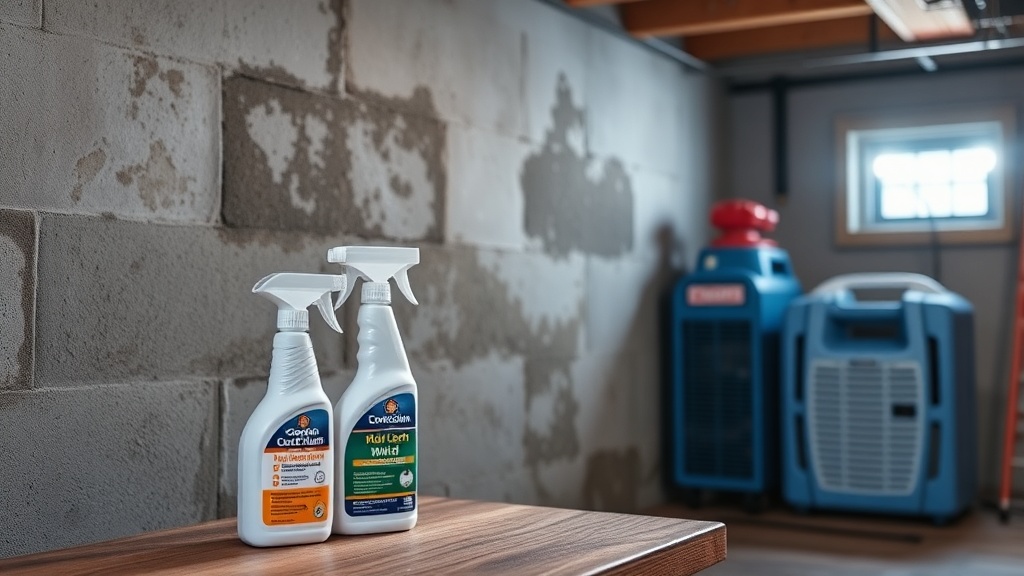
Concrete basement walls are notoriously susceptible to moisture intrusion and mold growth due to their porous nature. Mold spores can embed deep within the surface, making removal challenging with typical bleach-based products. Concrobium Mold Control is formulated with a unique sodium carbonate-based chemistry that penetrates porous substrates, destroying mold at the root without harsh fumes. This article provides a step-by-step DIY guide for using Concrobium Mold Control on concrete basement walls, helping homeowners reclaim dry, mold-free spaces safely and effectively.
What Exactly Is Concrobium Mold Control and How Does It Work on Concrete?
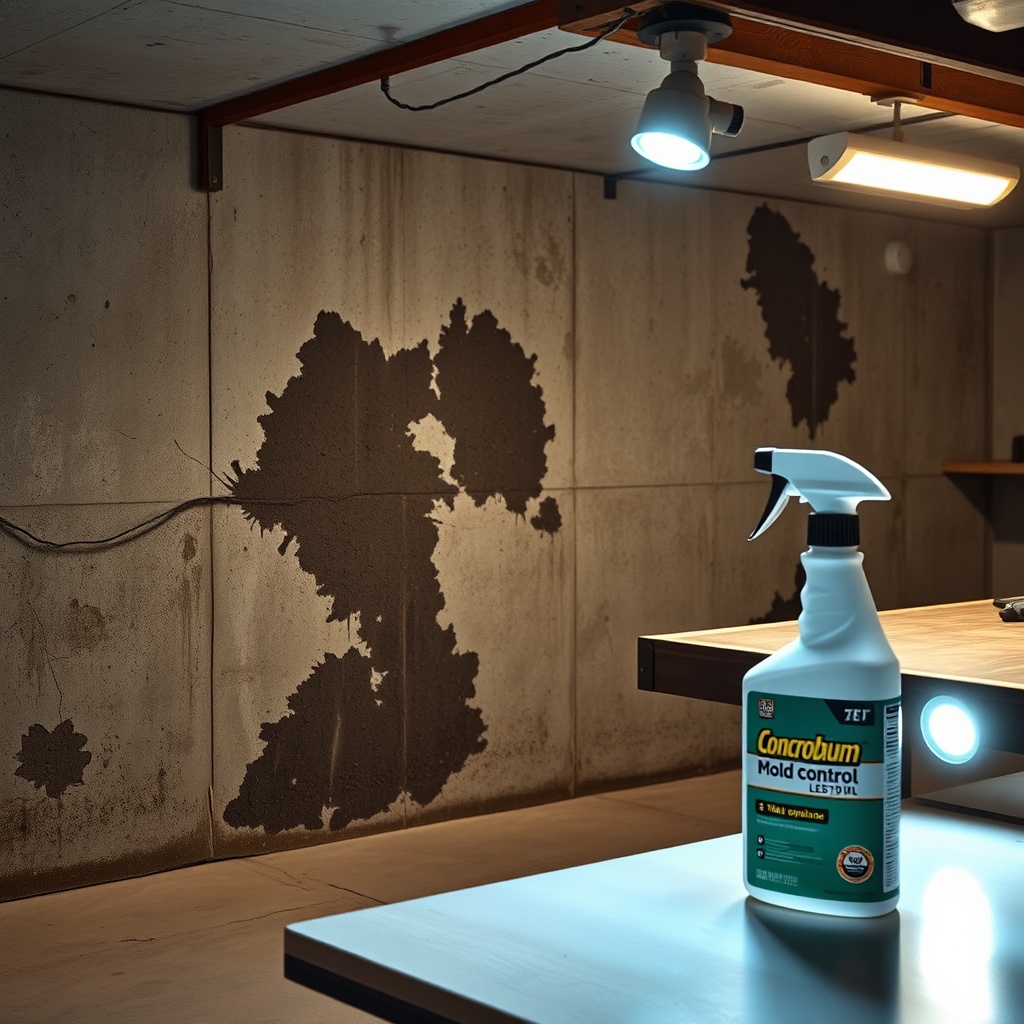
Concrobium Mold Control is a non-toxic, EPA-registered fungistatic solution that eliminates existing mold and prevents regrowth. Unlike bleach, which only bleaches surface mold without killing roots, Concrobium uses a patented polymer technology. When applied to concrete, the solution penetrates micropores, encapsulating mold spores and breaking down their cell walls. The polymer then leaves an invisible antimicrobial barrier that inhibits future colonization. For concrete basement walls, this is critical because trapped moisture behind the concrete cannot reactivate dormant spores once treated.
Key Composition Benefits for Concrete
- No VOCs: Safe for indoor use without requiring heavy respiratory protection.
- pH Neutral: Will not etch or discolor concrete surfaces.
- Residual Protection: Lasts for months when not disturbed by moisture events.
How Do I Prepare Concrete Basement Walls Before Applying Concrobium Mold Control?
Proper preparation is essential for Concrobium to bond with concrete and kill mold effectively. Follow these steps before treatment:
- Identify and Stop Moisture Sources: Use a moisture meter or perform a plastic sheet test to check for wall dampness. If humidity is above 60%, consider dehumidification. Pairing Concrobium with an air purifier can help—see our Best Air Purifier to Pair with Concrobium Mold Control Treatment for recommendations.
- Remove Surface Debris: Brush walls with a stiff nylon brush to dislodge loose mold and dust. Avoid wire brushes, which can scratch concrete and create deeper mold pockets.
- Clean with a Mild Detergent: Mix a degreasing dish soap with warm water and scrub walls. Rinse thoroughly and allow 24–48 hours for complete drying.
- Test a Small Area: If you want lab-grade confirmation of mold type, use a test kit. Read our Concrobium Mold Control with Test Kit: Complete Review to choose the right kit.
Surface Condition Assessment Table
| Surface Condition | Recommended Prep Step | Drying Time Before Application |
|---|---|---|
| Light surface mold (spotty, no deep staining) | Brush and detergent wash | 24 hours |
| Moderate mold (patchy, some staining) | Brush, detergent wash, then apply Concrobium as a pre-treatment | 48 hours |
| Heavy mold (thick growth, deep staining) | Professional moisture remediation advice; possible sanding | 72 hours |
| Efflorescence present (white salt deposits) | Remove with muriatic acid (diluted) before mold treatment | 72 hours |
What Is the Step-by-Step Process for Applying Concrobium Mold Control on Concrete Basement Walls?
Once the concrete is clean and dry, follow these precise application steps:
Step 1: Mix the Solution (If Using Concentrate)
Concrobium is available as a ready-to-use spray or concentrate. For concentrate, mix 1 part Concrobium to 3 parts water (never add other chemicals). Pour into a clean garden sprayer or pump-up sprayer for large areas.
Step 2: Apply Generously
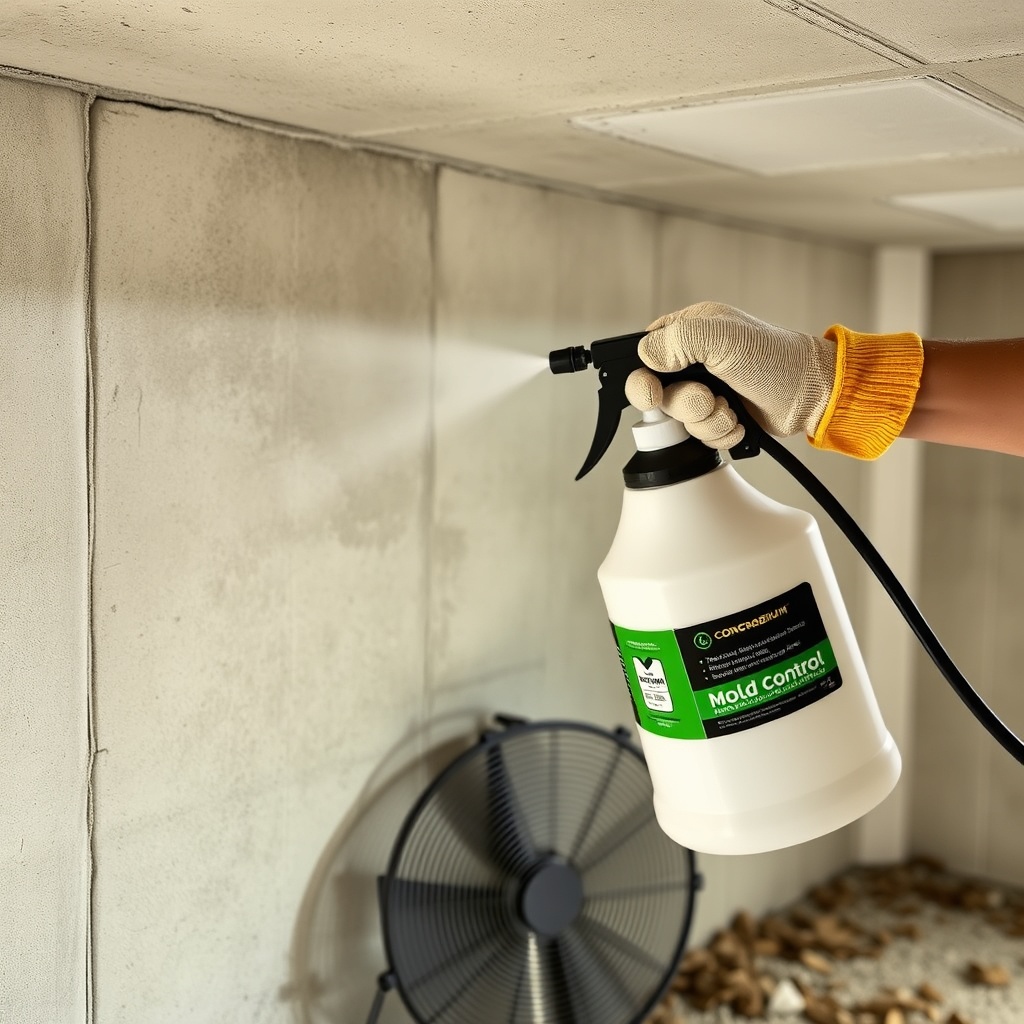
Starting from the top of the wall, spray a heavy, even coat of Concrobium onto the concrete. The solution should appear wet but not run off excessively. For textured or heavily stained concrete, apply until the surface glistens. Allow to dwell for 10–15 minutes. Do not scrub during this time—the chemistry needs to penetrate undisturbed.
Step 3: Agitate and Wipe (Optional for Heavy Mold)
For thick mold colonies, use a soft-bristled brush to gently agitate the treated area after dwell time. This helps the solution reach deeper pores. Wipe away suspended residue with a clean microfiber cloth. Avoid spreading contaminated water onto unaffected areas.
Step 4: Allow to Dry Completely
Let the concrete air-dry for 24–48 hours. Use a fan or dehumidifier to speed drying. The polymer barrier forms as the solution evaporates. Do not rinse or apply sealant for at least 72 hours.
Step 5: Inspect and Reapply if Needed
Check for remaining discoloration. Some staining may remain even after mold is dead; this is cosmetic. Reapply Concrobium if live mold is visible (test with a dampened cotton swab—if it rubs off easily, it may be dead). For persistent cases, refer to our How to Remove Basement Mold with Concrobium Mold Control: DIY Guide.
How Do I Compare Concrobium Mold Control to Other Products for Concrete Walls?
Homeowners often ask how Concrobium stacks up against common alternatives like bleach, vinegar, or Mold Armor FG502. Here is a direct comparison for concrete surfaces:
| Product | Mold Killing Ability | Residual Protection | Safety (VOCs/Corrosives) | Concrete Compatibility |
|---|---|---|---|---|
| Concrobium Mold Control | Kills deep in pores; EPA-registered | Yes—antimicrobial barrier lasts months | Non-toxic, no VOCs, safe for pets/children | Excellent—pH neutral, no etching |
| Bleach (5% sodium hypochlorite) | Surface only; roots survive | No—evaporates quickly | Strong VOCs, corrosive to concrete if overused | Poor—can whiten concrete, may weaken it |
| Mold Armor FG502 | Kills quickly with bleach-based formula | Limited—no polymer barrier | Contains VOCs; requires ventilation | Moderate—use with caution on sealed concrete |
| White Vinegar (5% acetic acid) | Kills some surface molds but not all species | No—dries without residue | Food-safe but strong odor | Fair—may need repeat applications |
For a detailed head-to-head comparison with Mold Armor FG502, see our Concrobium Mold Control vs Mold Armor FG502: Which Is Better? article.
What Do Homeowners Say About Using Concrobium Mold Control on Basement Concrete?
Feedback from DIY users across online forums and product review sites highlights several recurring themes:
- Effective on Tough Stains: Many owners report that Concrobium removed decades-old mold from poured concrete walls after one to two applications. “I tried bleach for years, but the mold always came back. Concrobium stopped it cold,” writes a homeowner from Ohio.
- No Harsh Smell: Users appreciate the lack of chemical odor. One review from a Chicago basement conversion notes: “I could sleep in the room the same day after treatment—no headaches like with bleach.”
- Cost Savvy: A quart of ready-to-use Concrobium costs around $18–$22 (USD) at hardware retailers. DIYers with large basements buy the concentrate (1 gallon at about $35) to mix five gallons of solution—a significant saving over multiple cans of aerosol mold killers.
- Caution on New Concrete: Some users caution that Concrobium may not fully penetrate freshly poured concrete that hasn’t cured for 30 days. Wait until concrete is fully hardened and free of moisture.
Overall, Concrobium scores 4.5 out of 5 stars among concrete basement users, with praise for long-term prevention. For a broader overview, read our Concrobium Mold Control Review: Does It Really Kill Mold?.
Frequently Asked Questions About Concrobium Mold Control on Concrete Basement Walls
1. Can I use Concrobium on painted concrete walls?
Yes, but effectiveness depends on paint condition. Concrobium can penetrate latex and acrylic paint if applied heavily. For oil-based paints, the solution may not reach mold beneath the film. Scrape peeling paint first, then apply Concrobium. For best results, strip paint from problem areas.
2. How long does Concrobium last on concrete after drying?
The polymer barrier remains active for several months indoors. In a dry basement with humidity below 50%, you may see protection for 6–12 months. If water intrusion recurs (e.g., from a leak), the barrier can degrade—reapply after fixing the leak.
3. Will Concrobium damage my concrete floor or foundation?
No. Concrobium is pH neutral and will not etch, stain, or crack concrete. It is safe for use on cured concrete, brick, and cement block. Avoid using on uncured concrete (less than 30 days old) as the moisture may interfere with proper setting.
4. Is Concrobium safe for areas near water heaters or sump pumps?
Yes, as long as you allow the solution to dry completely. Do not spray directly into sump pumps, electrical panels, or water heater vents. Cover sensitive equipment with plastic sheeting. Once dry, Concrobium leaves a non-conductive, inert film.
5. Do I need to wear a mask when applying Concrobium?
Concrobium is non-toxic and low-odor. However, we recommend wearing an N95 mask and gloves when scrubbing moldy surfaces (prior to application) because you may disturb airborne spores. During spraying, goggles are optional but wise if you are in a confined space.
6. Is Concrobium better than hydrogen peroxide for concrete mold?
Hydrogen peroxide (3%) can kill surface mold on concrete in a pinch, but it degrades quickly and offers no residual protection. Concrobium’s polymer barrier makes it superior for long-term prevention in basements prone to humidity or condensation. Hydrogen peroxide is best for small, isolated spots; Concrobium is ideal for whole-wall treatment.