Mold Armor FG502 Buying Guide: What to Know Before You Buy
Choosing the right mold remover isn’t trivial, especially when dealing with porous surfaces or lingering spores in high-humidity areas. Mold Armor FG502 is one of the most aggressive bleach-based formulas on the market, but it isn’t a universal solution. Here’s what you need to evaluate before clicking ‘buy’ — from surface compatibility to safety gear and post-treatment steps.
1. What Surfaces Can and Cannot Use Mold Armor FG502?
Mold Armor FG502 is designed primarily for non-porous and semi-porous surfaces. It works best on:
- Tile and grout
- Finished concrete
- Fiberglass shower surrounds
- Vinyl siding and sealed wood
- Metal and glass
But it should never be used on:
- Unsealed or unfinished wood (causes swelling and grain damage)
- Drywall (soaks in and creates deeper moisture issues)
- Laminate or engineered flooring (bleaches and lifts the surface layer)
- Fabric, carpets, or upholstery (permanent stains and fumes linger)
- Painted walls (unless the paint is high‑gloss and sealed)
If your mold is on drywall or raw lumber, skip FG502 and consider Mold Armor FG502 Mold Remover Review: Fast-Acting or Gimmick? for alternative product recommendations tailored to those substrates.
Always test on an inconspicuous area first — the bleach concentration can lighten dark grout or fade colored caulk.
2. How Strong Is the Bleach Content — and Is It Safe Indoors?
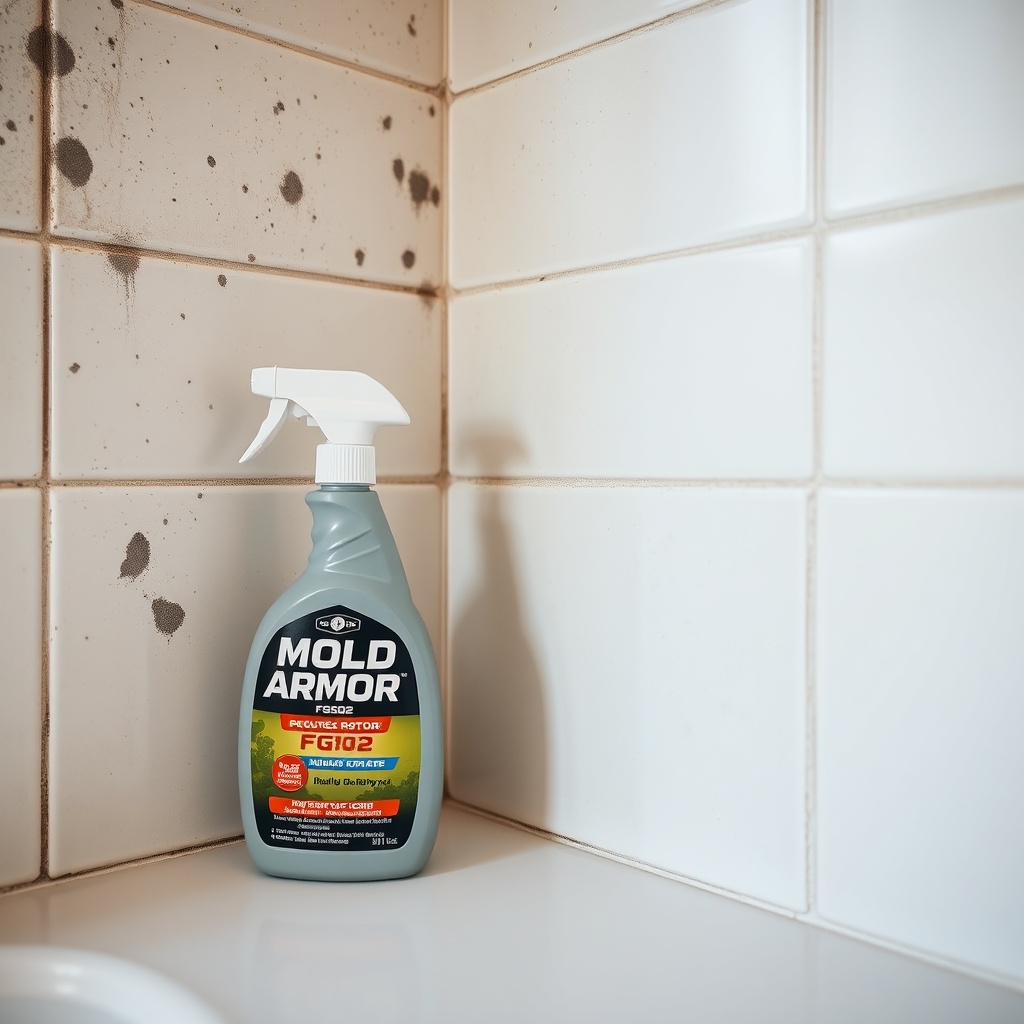
The active ingredient in Mold Armor FG502 is sodium hypochlorite (household bleach) at a concentration of approximately 4.5% to 5.25%. That is roughly equivalent to standard laundry bleach, but the formula includes surfactants that help it cling to vertical surfaces longer — a key difference for mold removal on walls and shower ceilings.
However, that strength comes with caveats:
- Fumes are potent: Even in well‑ventilated spaces, the chlorine odor can be overwhelming. Wear an N95 or P100 respirator rated for chemical vapors.
- Indoor use requires ventilation: Open windows and run an exhaust fan. Never use in a closed basement or crawlspace without an active air mover.
- Eye and skin protection are mandatory: The bleach can cause burns if left in contact with skin. Use rubber gloves and safety glasses.
For extreme indoor mold issues, many professionals recommend pairing FG502 with proper drying afterward. See Dehumidifier Settings After Mold Armor FG502 Application: A Guide to dial in post‑treatment humidity.
3. How Long Do You Let FG502 Sit to Kill Mold?
Contact time matters more than scrubbing force. Mold Armor FG502 instructions say to spray the surface, wait 5–10 minutes, then scrub. But for thick or stubborn mold (especially on porous grout or textured concrete), letting it sit 15–20 minutes can improve results significantly.
Key timing considerations:
- 5–10 minutes: for light surface mold on non‑porous tile or glass
- 10–15 minutes: for moderate mold on grout or fiberglass
- 15–20 minutes: for heavy mold on finished concrete or brick
Do not let the product dry completely before scrubbing — if it evaporates, the mold may not be fully killed. Keep the surface visibly wet by reapplying if needed.
| Categoría | What It Means for FG502 |
|---|---|
| Not urgent | Mold on non‑porous tile or glass; can wait a few days |
| Needs attention soon | Mold on grout, concrete, or fiberglass — longer contact time required |
4. Do You Need to Rinse After Using Mold Armor FG502?
Yes — rinsing is critical. The alkaline residue from the bleach can damage surfaces over time and attract dirt if left behind. Use lukewarm water and a clean sponge or cloth to wipe down the treated area thoroughly after scrubbing.
Two exceptions:
- On exterior siding or brick, a garden hose with a spray nozzle works fine for rinsing.
- On sealed wood, rinse immediately after the 10‑minute contact time — bleach can etch or lighten the finish if left too long.
For interior areas, after rinsing you’ll want to remove residual moisture fast. That’s where a quality vacuum with HEPA filtration helps — see Best HEPA Vacuum for Cleaning After Mold Armor FG502 Treatment for models that handle damp debris without blowing spores back into the room.
5. Can You Use FG502 on Moldy A/C Coils or Appliances?
No. Mold Armor FG502 should not be used on A/C coils, evaporators, or the internal surfaces of HVAC equipment. The bleach concentration can corrode copper tubing and aluminum fins, and the residue — even after rinsing — can outgas chlorine vapors into the air stream.
Stick to products specifically labeled for HVAC mold removal. If you’ve already used FG502 on a coil by accident, flush the area with at least two gallons of clean water and monitor for pitting or rust over the next few weeks.
For general appliance surfaces like the exterior of a washing machine or refrigerator gasket, FG502 is safe — just keep it away from electronic components and rubber seals (bleach dries them out).
6. Does Mold Armor FG502 Have a Shelf Life?
Yes. The sodium hypochlorite in FG502 breaks down over time, especially if the bottle has been opened and stored at room temperature. Expect the product to remain effective for about 6–12 months after purchase if kept sealed and away from direct sunlight.
Signs the product is losing potency:
- The bleach odor is much weaker or absent
- The solution looks thin or has a pale yellow tint (fresh bleach is a deeper yellowish‑amber)
- Mold doesn’t start fading within 10 minutes of contact
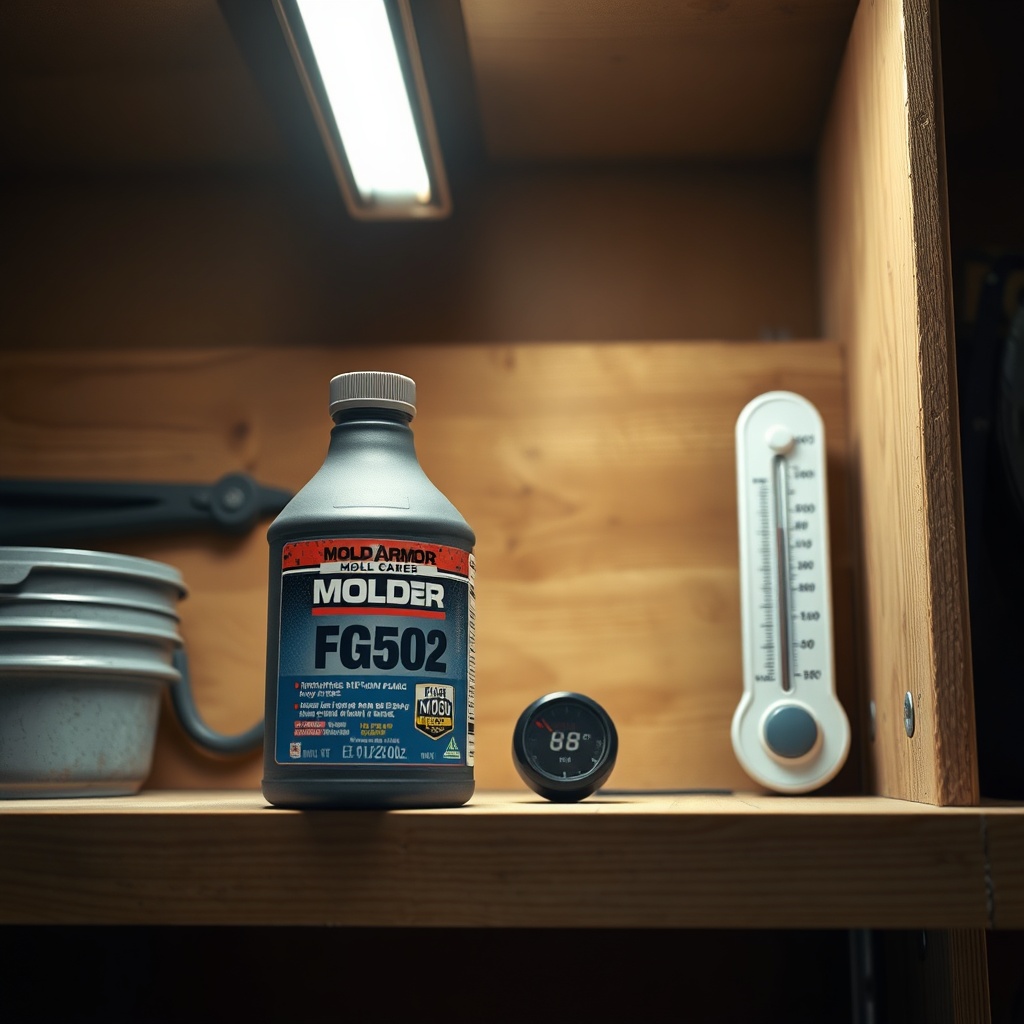
Store the bottle upright, tightly capped, in a cool, dark cupboard or garage. Avoid temperature extremes — bleach degrades faster above 85°F (30°C). Never transfer leftover FG502 to a metal container; the chlorine reacts with metals and can produce flammable hydrogen gas.
What Owners Say
Real‑world experiences with Mold Armor FG502 paint a mixed picture — it excels at some jobs and frustrates on others.
“Works fast on tile grout, but you absolutely need to ventilate.” — Catherine, a homeowner in Florida, used FG502 on shower grout that had been moldy for years. She reported visible lightening within 5 minutes but said the smell forced her to open every window and run two fans for an hour.
“Not great for drywall — it soaked in and bubbled the paper.” — Marcus, a property manager in Ohio, tried FG502 on a small patch of bathroom drywall mold. The liquid caused the drywall face to separate from the core, turning a minor issue into a repair project. He now uses it only on tile and concrete.
“It cleaned my concrete basement wall mold, but I had to repeat it twice.” — Elena, a home renovator in Oregon, applied FG502 to a 6‑foot‑long concrete basement wall with moderate mold. The first treatment killed surface mold but didn’t reach the deeper stains; a second application with a stiffer brush worked.
Frequently Asked Questions
1. Can Mold Armor FG502 be used on painted walls?
Only if the paint is high‑gloss or semi‑gloss and fully cured. Matte or flat paint will likely get lightened or damaged. Always test a small hidden area first.
2. Is FG502 safe for pets?
No. The fumes are toxic to cats, dogs, and birds. Keep pets out of the treated room for at least 4–6 hours after application, and ensure the area is fully dry before they re‑enter.
3. How many square feet does one bottle cover?
One 32‑ounce bottle covers roughly 40 to 60 square feet, depending on surface texture and how heavily you spray. Thick mold on concrete may consume more product than a light spray on tile.
4. Can you dilute Mold Armor FG502 with water?
Diluting reduces its effectiveness and can destabilize the bleach. Use it full‑strength as directed. If you need a milder solution for maintenance, look for a product specifically labeled as a mold cleaner (not a heavy‑duty remover).
5. What should I do if FG502 gets on my skin?
Rinse immediately with cool water for at least 15 minutes. If irritation persists, seek medical advice. Wear rubber gloves and long sleeves during application.
6. Does FG502 prevent mold from coming back?
It kills existing mold on contact but does not provide a lasting barrier. Recurrence depends on solving the moisture source — a dehumidifier set to below 50% RH after treatment is your best defense. Read more in Dehumidifier Settings After Mold Armor FG502 Application: A Guide.