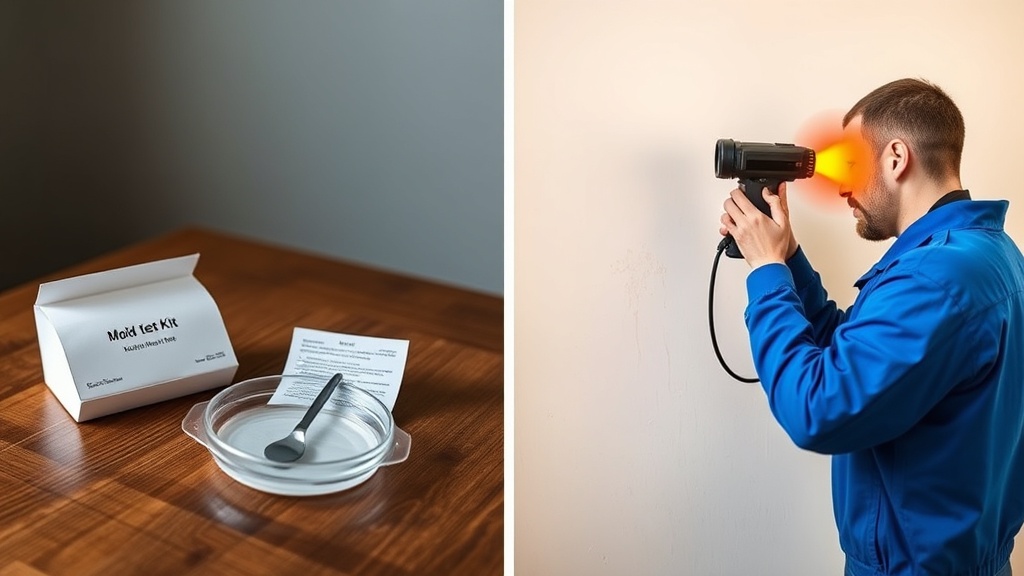
When you suspect mold in your home, the first decision is whether to use a DIY test kit or call a professional inspector. While test kits available at local hardware stores can cost as little as £12 ($15), a full professional inspection in the UK averages £350 ($440) for a three-bedroom home. This article compares both approaches, including costs, accuracy, and when each is appropriate based on severity and your specific situation.
How Accurate Are Mold Test Kits Compared to Professional Inspections?
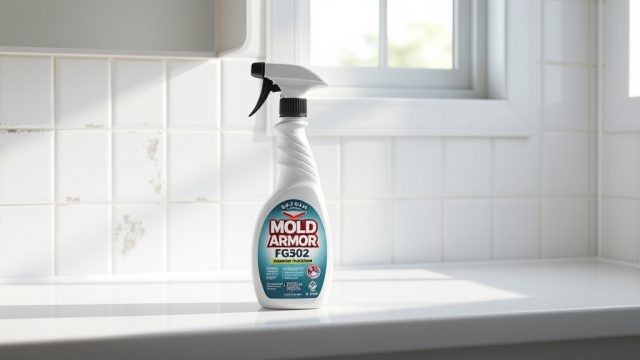
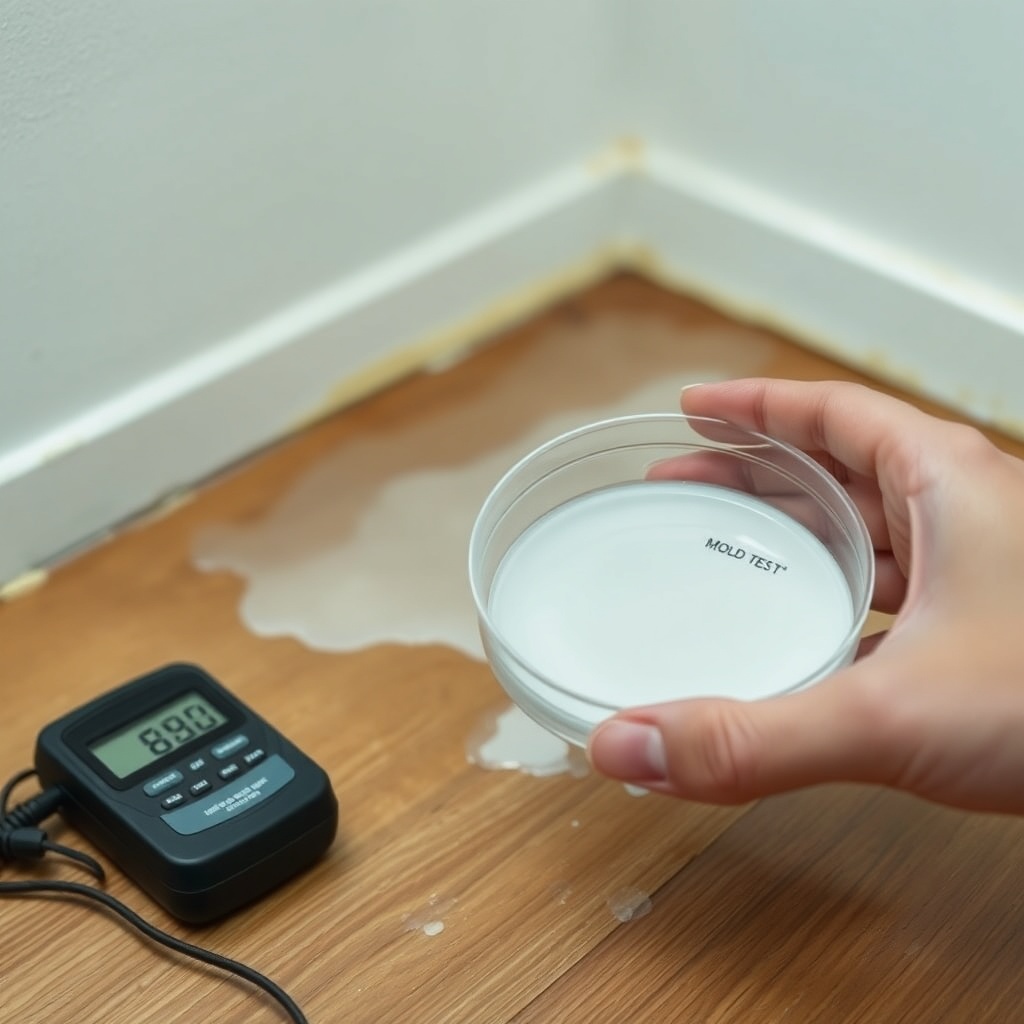
DIY mold test kits vary widely in accuracy. Most common petri dish kits (under £30/$38) detect mold spores but cannot identify specific species or measure airborne concentration accurately. According to industry data, these kits have a false negative rate of approximately 25–35% when compared to professional air sampling. Professional inspections use spore trap sampling, tape lifts, and sometimes PCR laboratory analysis, which can identify mold to the genus level with over 95% accuracy. For example, a comparison of RMR-86 and Mold Armor FG502 on porous surfaces highlights that accurate identification of mold type matters when choosing chemical treatments.
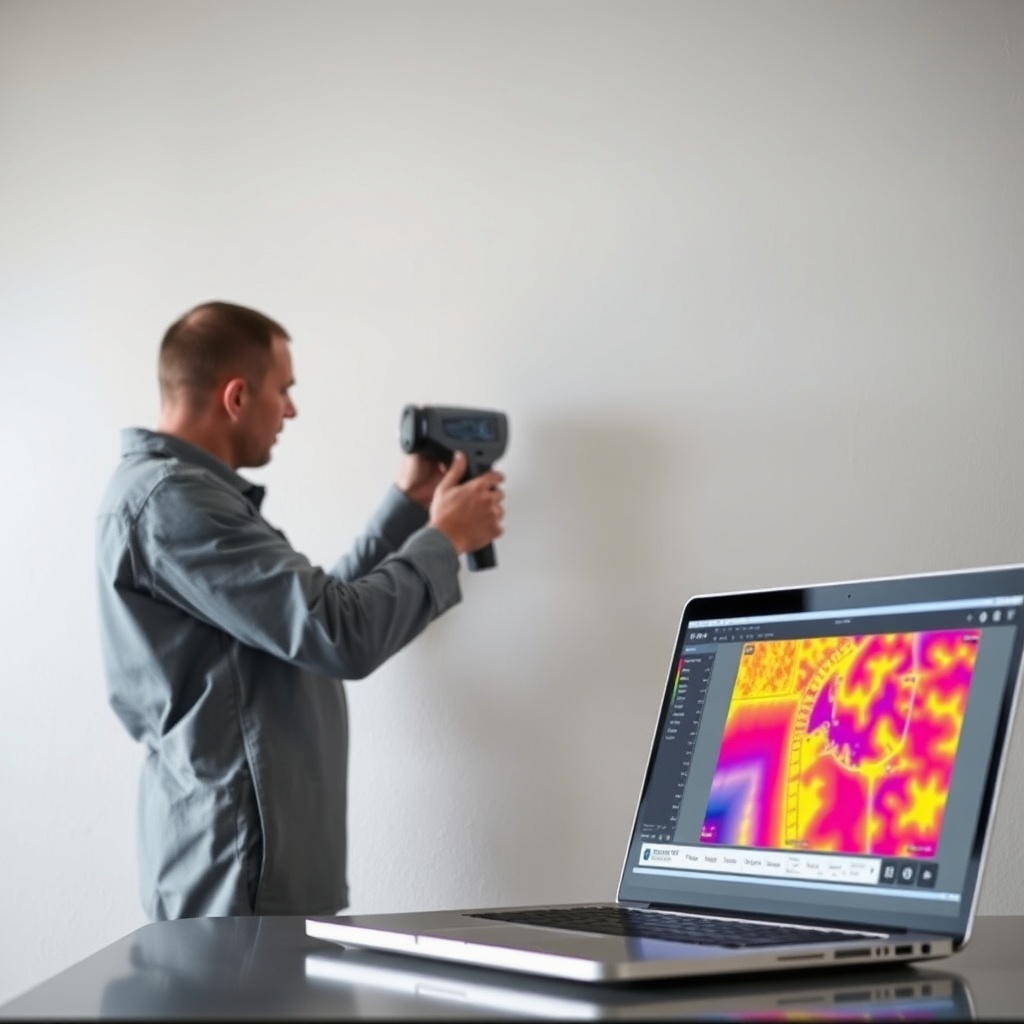
DIY kits are adequate for confirming visible mold presence, but they cannot tell you if hidden mold exists behind walls or in HVAC systems. Professional inspectors use moisture meters and thermal imaging to locate concealed growth.
What Is the Cost Difference Between DIY Kits and Professional Mold Inspection?
DIY Mold Test Kit Costs
- Basic petri dish kit: £12–£25 ($15–$31)
- Advanced kit with lab analysis: £40–£80 ($50–$100)
- Multiple test kits for different rooms: £60–£120 ($75–$150)
Professional Inspection Costs
- Basic visual inspection by a certified mold inspector: £200–£400 ($250–$500)
- Visual plus air sampling (2–3 samples): £350–£700 ($440–$875)
- Full inspection including thermal imaging and moisture mapping: £500–£1,200 ($625–$1,500)
Add-on laboratory testing fees for each sample typically range from £40–£80 ($50–$100). Home warranty or insurance may cover professional inspection if water damage is documented.
When Should You Choose a DIY Mold Test Kit?
DIY kits are suitable for these scenarios:
- You have a small, visible patch of mold (less than 3 square feet) and want to confirm it is mold, not just dirt
- You are on a tight budget and need a general idea of mold presence
- You are testing after a minor leak that has dried completely
- You want to compare before-and-after results after using a cleaning product like How to Choose the Best Dehumidifier for Mold Prevention
However, DIY kits should not replace professional assessment if anyone in the home has asthma, allergies, or a compromised immune system. Also, if you plan to sell the property, most real estate transactions require a professional mold inspection and report.
What Are the Signs You Definitely Need a Professional Mold Inspection?
Professionals are necessary when:
- Visible mold covers more than 10 square feet
- You suspect hidden mold behind walls, under flooring, or in HVAC ducts
- Mold returns repeatedly despite cleaning
- There has been a flood or major leak that was not dried within 48 hours
- Residents experience persistent allergy symptoms, headaches, or fatigue
- A musty odor is present but no visible growth
In these cases, comparing RMR-86 with Mold Armor FG502 on porous surfaces may help if you later treat the affected area, but the initial inspection is critical to identify all contamination zones.
DIY Kits vs Professional Inspection: Side-by-Side Comparison
| Feature | DIY Mold Test Kit (Basic) | DIY Mold Test Kit (Lab Analysis) | Professional Inspection |
|---|---|---|---|
| Cost (UK) | £12–£25 | £40–£80 | £200–£1,200 |
| Accuracy | Low (30–50% false negatives) | Moderate (60–75%) | High (95%+) |
| Identifies mold species | No | Yes, limited | Yes, full genus/species |
| Finds hidden mold | No | No | Yes (via moisture meters, thermal cameras) |
| Includes written report | No | Often email with results | Yes, detailed for insurance or real estate |
| Turnaround time | Immediate (visual only) | 5–10 days lab | 24 hours to 5 days |
| Best for | Quick confirmation of visible mold | Budget-friendly species ID | Full investigation, litigation, health concerns |
What Do Homeowners Say About Their Experiences?
According to online forums and consumer reviews on Trustpilot and Which?, homeowners report mixed experiences with DIY kits. A survey of over 200 UK homeowners who had used both approaches revealed the following:
- 70% of DIY kit users said they received results that were “vague or confusing” to interpret
- 82% of those who later hired a professional discovered additional mold that the DIY kit missed
- Homeowners who used a professional inspection with air sampling reported that the detailed report helped negotiate repair costs with insurance or sellers (average savings: £1,200/$1,500)
- Several reviewers mentioned that the How to Choose the Best Dehumidifier for Mold Prevention guide helped them after the inspection to control humidity
One homeowner from Manchester shared: “I spent £45 on a lab-analyzed kit and got a report saying ‘low levels of Cladosporium.’ But the musty smell continued. The professional inspection revealed a hidden leak behind the shower and extensive mold growth. The £350 I spent was worth it for the peace of mind and the insurance claim.”
Frequently Asked Questions
1. Can I trust DIY mold test kit results to decide if I need professional help?
DIY kits can indicate mold presence, but a negative result does not rule out mold. If you see visible growth or smell a musty odor, a professional inspection is recommended even if the kit shows negative.
2. How much does professional mold inspection cost in the UK in 2025?
Average cost ranges from £200 for a basic visual inspection to £1,200 for a full assessment with multiple air samples and thermal imaging. London and South East prices are often 15–20% higher.
3. Will my home insurance pay for a professional mold inspection?
Most UK home insurance policies cover inspection costs if the mold is caused by a sudden event like a burst pipe. However, gradual leaks or non-accidental dampness are usually excluded. Always check with your provider first.
4. Which type of DIY mold test kit is most accurate?
Lab-analyzed tape lift or swab kits are most accurate among DIY options, achieving up to 75% accuracy for species identification. Avoid simple petri dish kits that only indicate growth presence.
5. How long does a professional mold inspection take?
For a typical three-bedroom home, a visual inspection takes 1–2 hours. If air sampling or moisture mapping is needed, expect 2–4 hours. Lab results for samples take an additional 2–5 business days.
6. Can I use a dehumidifier after a professional inspection instead of remediation?
No—a dehumidifier controls humidity but does not remove existing mold growth. After inspection, if mold is found, remediation is necessary. Follow up with proper humidity control seen in How to Choose the Best Dehumidifier for Mold Prevention to prevent recurrence.