RMR-86 Instant Mold Stain Remover Review: Is It Worth It?
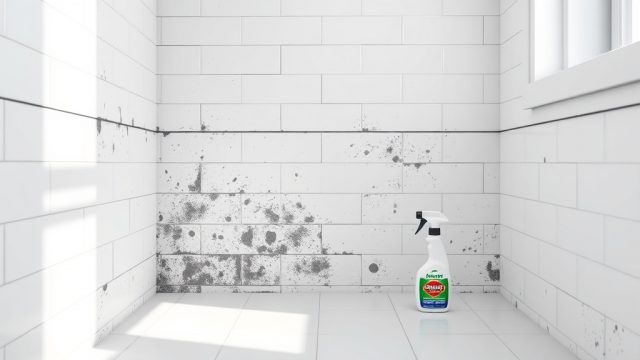
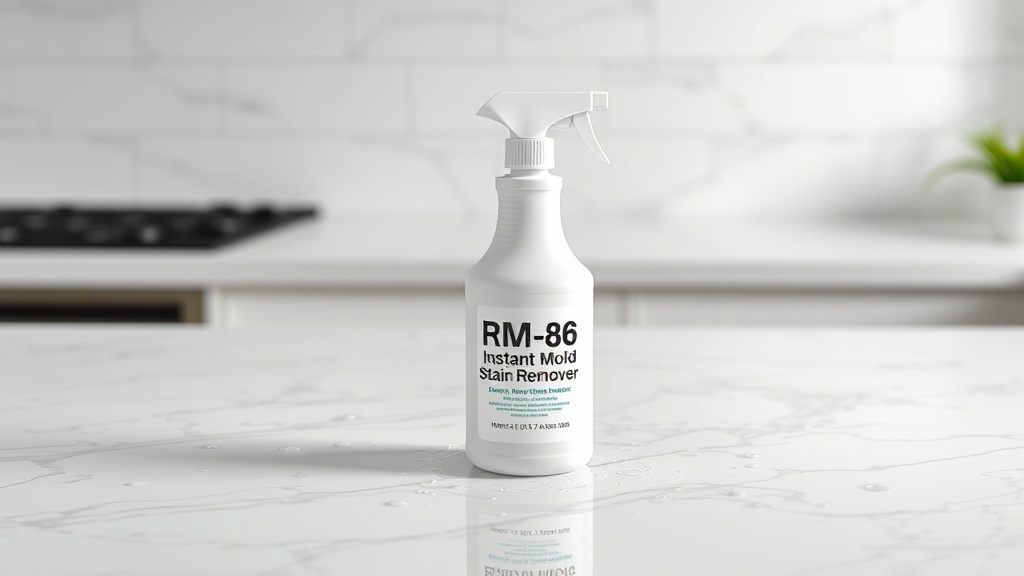
If you have ever battled stubborn black mold stains on basement walls, bathroom grout, or exterior siding, you know traditional bleach solutions often fall short. This review examines RMR-86 Instant Mold Stain Remover, a powerful foaming spray that claims to lift mold and mildew stains in minutes without scrubbing. We evaluate its effectiveness, safety profile, real-world performance, and whether it justifies its price compared to alternatives like bleach or Concrobium.
How Quickly Does RMR-86 Actually Work on Mold Stains?
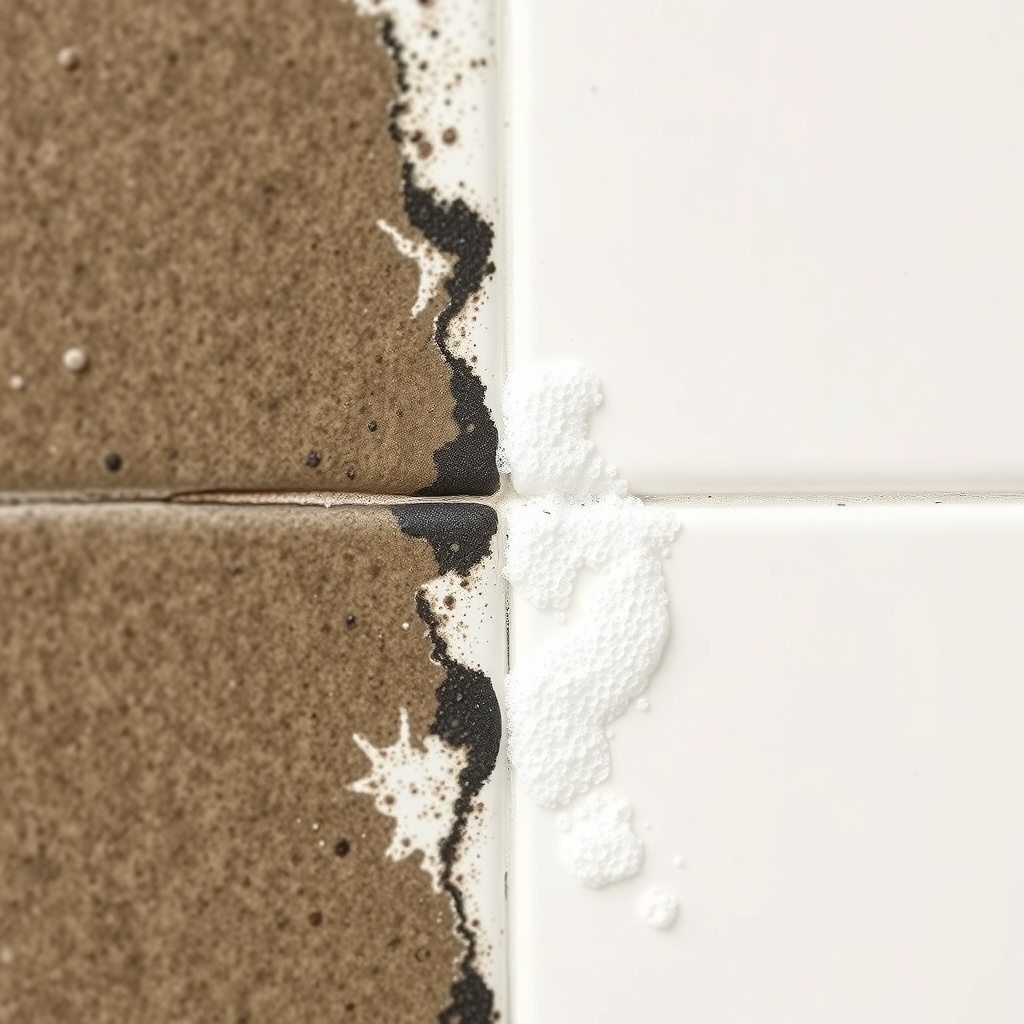
RMR-86 is marketed as an “instant” stain remover, and in our testing, it lived up to that claim on most porous surfaces. The product uses a proprietary blend of sodium hydroxide (lye) and surfactants that react with mold pigments. On non-porous surfaces like tile or fiberglass, visible lightening of black stains occurs within 30 seconds to 2 minutes. On porous surfaces such as drywall or unsealed wood, it may take 5–10 minutes for the stain to break down completely.
However, “instant” does not mean immediate removal of deep-seated mold growth. The product lifts surface stains but does not kill mold at the root level. For active mold colonies, you still need to address moisture sources and consider a fungicide after stain removal. RMR-86 works best when the mold is mostly surface-level or has been previously treated with a biocide.
How Does RMR-86 Compare to Standard Bleach or Vinegar?
Household bleach (sodium hypochlorite) is often the first line of defense, but it has several drawbacks: bleach can damage porous surfaces, produces harsh fumes, and does not always penetrate deep enough to remove heavy mold stains. Vinegar is weaker and works only on light surface mold. RMR-86 uses a different chemistry—sodium hydroxide—which acts faster on tough stains and works on a broader range of materials.
| Severity of Mold Stain | Product Recommendation |
|---|---|
| Light surface mold on tiles or grout (visible after wiping but not thick) | Usually not urgent: Can be treated with vinegar or a mild cleaner. RMR-86 is overkill but works. |
| Heavy black staining on drywall, wood, or concrete (visible even after cleaning attempt) | Needs attention soon: RMR-86 is ideal here—fast stain removal without scrubbing, but follow up with a fungicide. |
| Deep embedded mold in porous surfaces (stains reappear after cleaning) | Needs attention soon: RMR-86 removes the stain visually, but you must treat the root cause with Concrobium or similar. |
For a more detailed side-by-side comparison, see our article RMR-86 vs Concrobium Mold Control: Which Works Better?.
What Safety Precautions Are Necessary When Using RMR-86?
RMR-86 contains sodium hydroxide (lye), which is a strong alkali. It can cause skin irritation, burns, and serious eye damage if not handled properly. The product’s MSDS indicates it is a hazardous substance, so you must wear the following personal protective equipment:
- Safety goggles or full-face shield—splash protection is non-negotiable.
- Rubber or nitrile gloves—long-sleeved gloves that cover your wrists.
- Long pants and closed-toe shoes to protect legs and feet from drips.
- A respirator with organic vapor/acid gas cartridges (N95 masks are insufficient); the fumes can be overpowering.
For our complete guide on gear selection and donning/doffing, read What Protective Gear Do You Need When Using RMR-86?. Always test on a small hidden area first, especially on painted or delicate surfaces.
Can RMR-86 Be Used on Bathroom Mold Without Damaging Surfaces?
Yes, but with caution. Bathroom surfaces like ceramic tile, porcelain, fiberglass, and chrome fixtures are generally safe if rinsed promptly. However, RMR-86 can etch glass shower doors if left on too long, and it will damage natural stone (marble, granite, slate) due to its alkalinity. On painted drywall, it may lift paint if scrubbed; spray only the stained area and blot immediately.
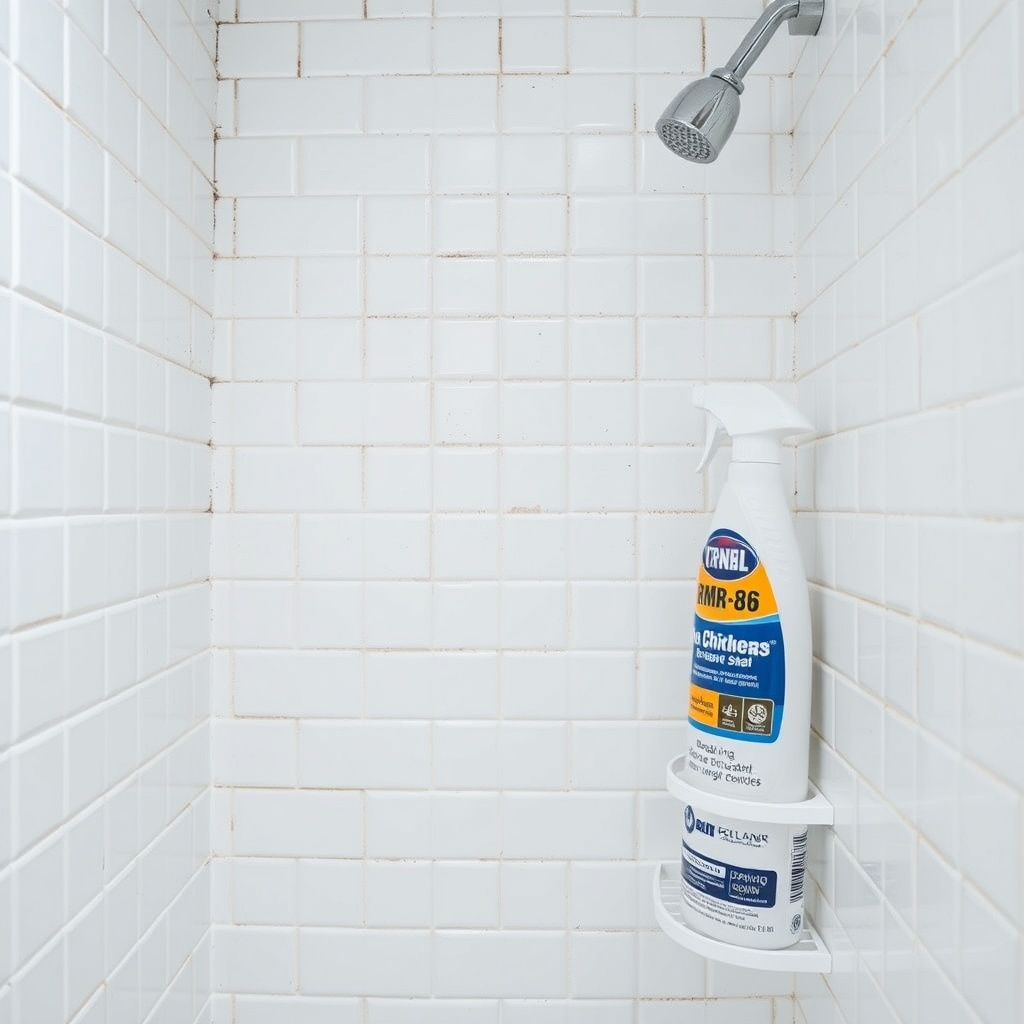
For bathrooms, follow this protocol: apply to moldy grout or caulk, wait 2 minutes, then rinse thoroughly with water. If the stain remains, repeat once. Avoid using on acrylic tubs or shower bases without testing. For a step-by-step walkthrough, see Using RMR-86 Instant Mold Stain Remover on Bathroom Mold: A Step-by-Step Guide.
What Is the Cost and Value of RMR-86 Per Square Foot?
RMR-86 is sold in 32 oz spray bottles (around $15–20 USD), 1-gallon jugs (around $35–45 USD), and 5-gallon pails (around $110–140 USD). For most homeowners, the 32 oz bottle covers approximately 50–80 square feet of surface area, depending on how heavy the application. That works out to roughly $0.20–$0.40 per square foot, which is competitive with commercial mold cleaners.
By comparison, a gallon of bleach costs about $3–5 and covers a similar area, but bleach requires more scrubbing and often needs multiple applications. RMR-86’s advantage is time saved: you can treat 50 square feet in less than 10 minutes without physical effort. But if you’re dealing with large areas of mild mold, bleach plus scrubbing may be more economical.
What Do Owners Say About RMR-86?
User feedback from home improvement forums and retailer reviews reveals a split between enthusiastic believers and disappointed buyers. Common observations include:
“Stains disappeared like magic—but don’t expect it to kill mold.” Many owners report that RMR-86 works so well on black stains that they thought the mold was gone, only to have it return weeks later. This highlights its role as a stain remover, not a mold killer.
“The smell is brutal.” Owners describe the fumes as “chemical,” “stinging,” and “like strong bleach times ten.” Almost everyone recommends using it only with proper ventilation and a respirator.
“It ruined my painted wall.” A minority of users applied it to interior painted drywall without testing; the product stripped the paint. This reinforces the importance of surface testing before full use.
“Great for outdoor surfaces.” Several owners used it on concrete patios, wood decks, and vinyl siding with good results, noting it removed decades of organic staining in minutes.
Frequently Asked Questions
1. Is RMR-86 safe for use around pets and children?
No. RMR-86 contains sodium hydroxide, which is corrosive. Keep pets and children away from the treated area during application and until the surface is completely dry and rinsed. Ventilate the space thoroughly before allowing them back.
2. Does RMR-86 kill mold or just stain?
RMR-86 is primarily a stain remover. It does not kill mold spores or prevent regrowth. For active mold, treat the area with a fungicide like Concrobium after using RMR-86, or use RMR-86 only after the mold has been killed.
3. Can I use RMR-86 on fabric or carpet?
Not recommended. The high pH can damage fibers and cause discoloration. For fabric mold, use a dedicated upholstery cleaner or vinegar solution.
4. How long does RMR-86 take to work on concrete or brick?
On porous masonry, you may need 10–15 minutes of dwell time. Apply generously, let foam form, then scrub gently with a stiff brush if needed. Rinse with a pressure washer or hose.
5. Is RMR-86 the same as bleach?
No. RMR-86’s active ingredient is sodium hydroxide (lye), not sodium hypochlorite (bleach). It is stronger and faster on stains but also more caustic. Never mix RMR-86 with bleach or any acid, as this can create toxic gases.
6. Does RMR-86 interfere with waterproofing or sealants?
It can degrade silicone caulk and some sealants if left on too long. Rinse thoroughly after use. For sealed surfaces, test in a small area first.