RMR-86 vs Concrobium Mold Control: Which Works Better?
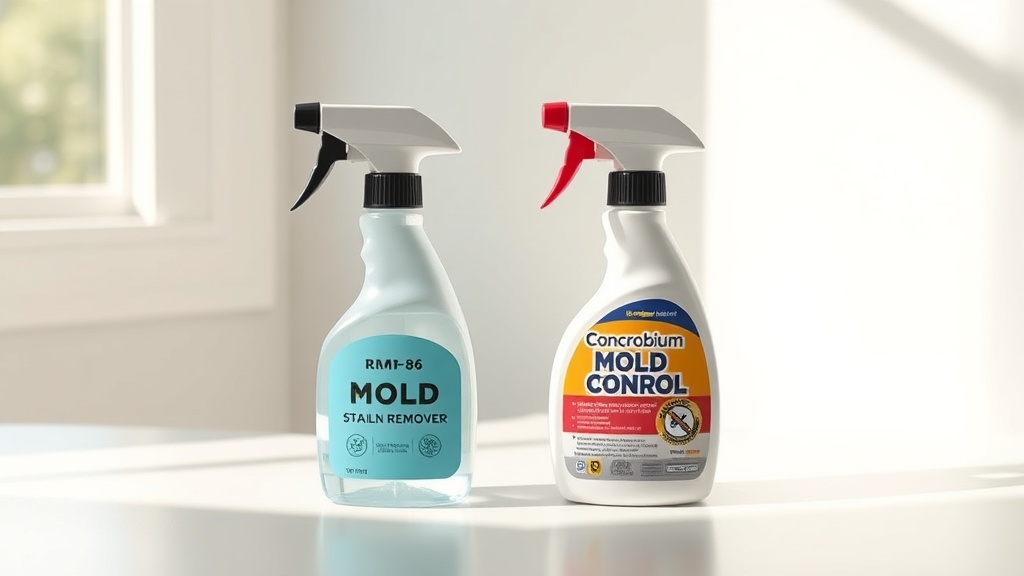
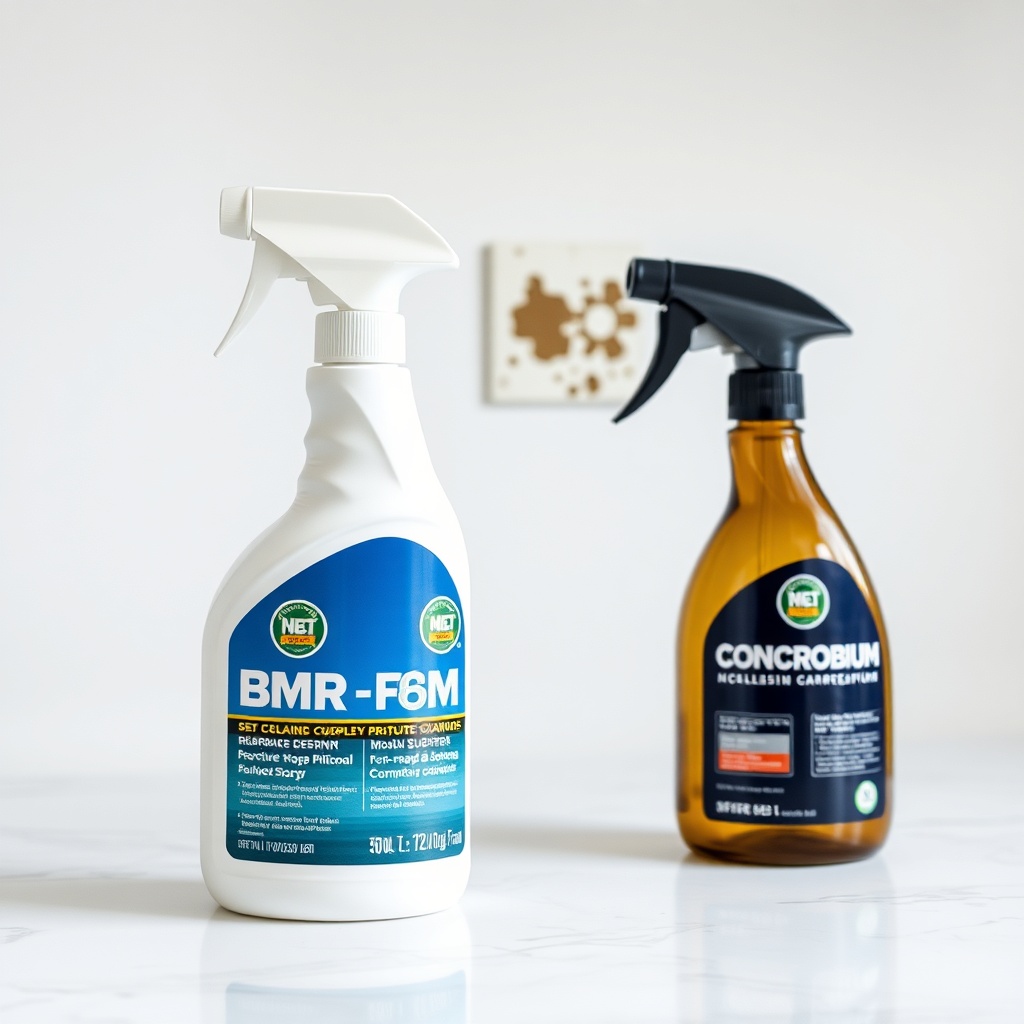
When tackling mold stains, two products dominate the conversation: RMR-86 Instant Mold Stain Remover and Concrobium Mold Control. While both target mold, their approaches, ingredients, and results differ significantly. This comparison breaks down the practical differences to help you choose the right product for your specific situation.
What’s the Difference Between Their Active Ingredients?
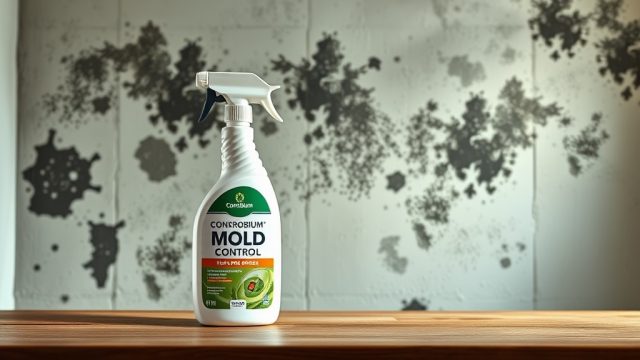
RMR-86 uses a bleach-free, proprietary formula that relies on sodium hydroxide (lye) and surfactants to break down mold stains at the cellular level. Concrobium, on the other hand, is a sodium carbonate-based solution that uses a polymerizing agent to encapsulate and kill mold spores. The key difference: RMR-86 is a stain remover that lifts discoloration immediately, while Concrobium is a mold treatment that prevents regrowth. For deep-set stains on porous surfaces like drywall or grout, RMR-86’s strong alkalinity (pH around 13) dissolves the organic matter faster. Concrobium’s lower pH (around 10) is less aggressive but safer for sensitive materials like painted walls.
Which One Removes Stains Faster?
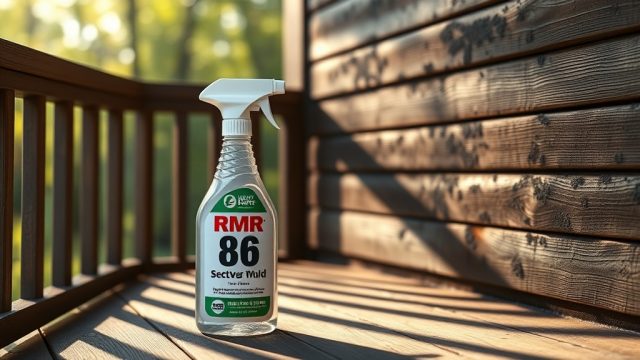
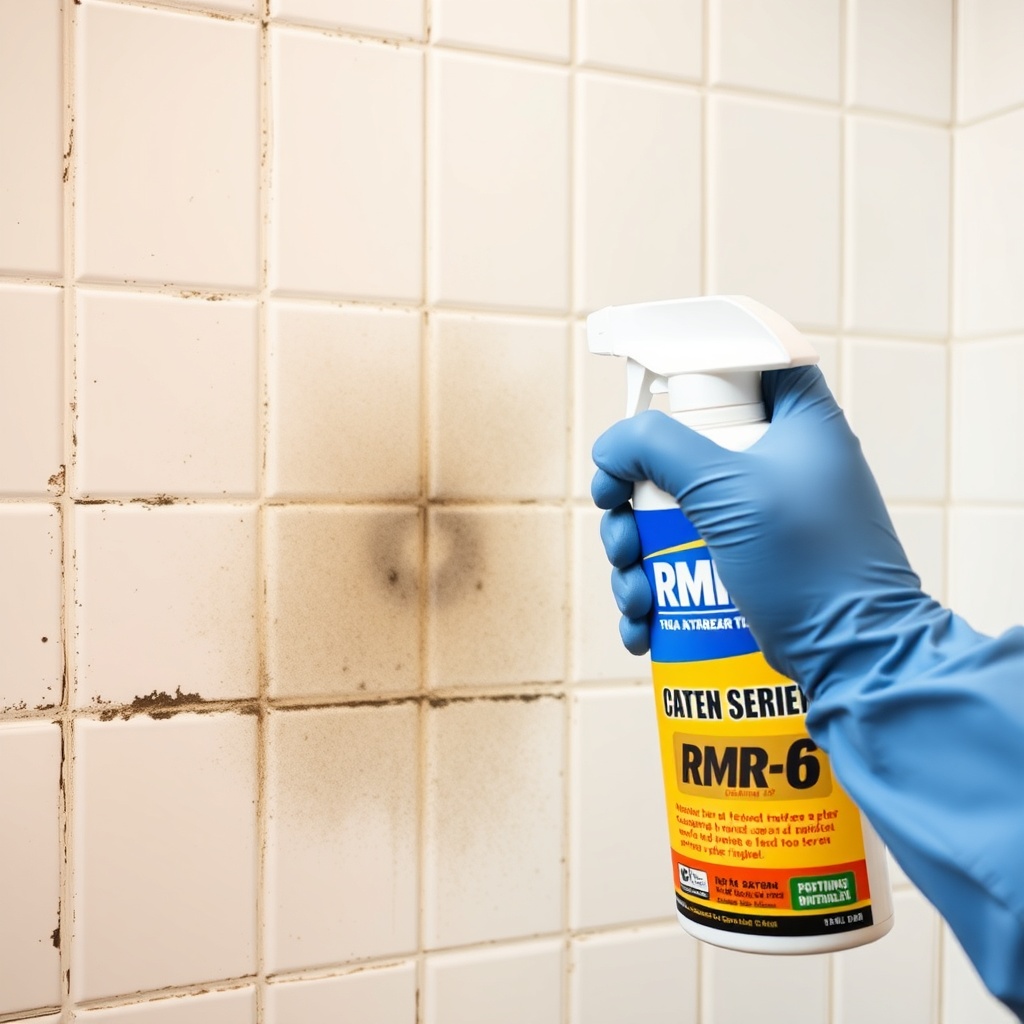
In side-by-side tests on bathroom grout and wood siding, RMR-86 typically removes visible mold stains within 1 to 5 minutes of contact, often with no scrubbing required. Concrobium requires surface drying time (usually 24 to 48 hours) before the stain fades as the mold is killed and encapsulated. For homeowners wanting immediate visual results—especially for renters or those staging a home—RMR-86 wins hands down. However, if the stain is superficial and you’re more concerned with killing spores than appearance, Concrobium’s slower process is more thorough over time.
How Do They Compare on Safety for Home Use?
Safety profiles differ. RMR-86’s high alkalinity can irritate skin, eyes, and lungs; What Protective Gear Do You Need When Using RMR-86? details that gloves, goggles, and ventilation are mandatory. Concrobium is EPA-registered as a low-toxicity product, often used in schools and offices without evacuating areas. Neither product should be ingested, but Concrobium’s non-corrosive nature makes it safer for households with children or pets. For vinyl or painted surfaces, Concrobium is gentler; for unsealed concrete or fiberglass, RMR-86 works faster without causing etching if rinsed promptly. Always test on an inconspicuous area first.
Which Product Works Better on Different Surfaces?
| Surface Type | RMR-86 Performance | Concrobium Performance |
|---|---|---|
| Bathroom grout | Excellent—stains disappear in 2-3 minutes | Good—kills mold but stains may linger |
| Drywall (painted) | May damage paint; use with caution | Safe—no paint damage |
| Wood (raw) | Effective but can swell grain if left | Gentle; recommended for finished wood |
| Vinyl siding | Stain removal in 1-2 minutes | Kills mold; slower stain fade |
| Concrete/basement floors | Very effective—requires rinsing | Less effective on deep stains |
For bathroom mold specifically, see Using RMR-86 Instant Mold Stain Remover on Bathroom Mold: A Step-by-Step Guide for application tips. Concrobium is better suited for large areas where you can’t rinse easily, like attics or crawl spaces.
What About Cost and Value?
At major US retailers, RMR-86 costs around $25 to $35 for a 32-ounce spray bottle, which covers roughly 100-150 square feet. Concrobium typically runs $15 to $25 for a gallon jug (128 ounces), covering up to 400 square feet. Per square foot, Concrobium is significantly cheaper—about $0.04 vs RMR-86’s $0.20. But if you need a one-time deep clean after a water leak, RMR-86’s speed reduces labor cost and repetition. For ongoing maintenance, Concrobium wins on economy. Our RMR-86 Instant Mold Stain Remover Review: Is It Worth It? explores whether the premium cost justifies the results.
What Owners Say
“I tried Concrobium on black mold in my shower grout, and it took three applications over a week. Switched to RMR-86, and the stains were gone in five minutes. For instant results, it’s worth the extra money.” — John, apartment manager in Florida.
“I use Concrobium on my finished basement walls because it doesn’t damage the paint. RMR-86 was too strong and left white residue. For peace of mind, I prefer the slower but safer option.” — Linda, homeowner in Oregon.
These real-world experiences echo the lab data: choose based on surface sensitivity and urgency.
Frequently Asked Questions
- Can I mix RMR-86 and Concrobium together?
No, never mix these products. Their chemical bases can react and produce harmful fumes. Use one product at a time. - Does RMR-86 kill mold or just remove stains?
RMR-86 removes mold stains quickly but does not prevent regrowth; it kills surface mold but deeper spores may survive. Concrobium encapsulates and kills spores more thoroughly. - Which product works better on wood decks?
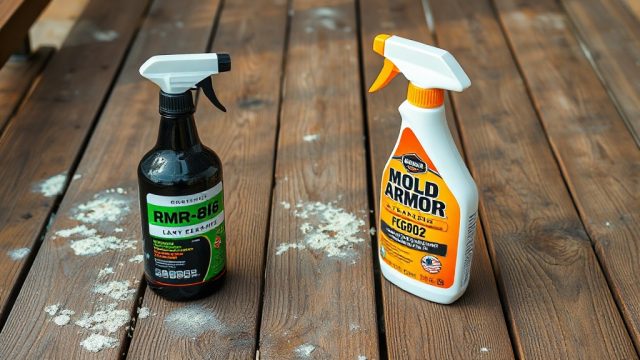
For raw wood decks, RMR-86 removes stains faster but may require neutralizing; Concrobium is safer but needs longer contact. Test on hidden area first. - Is one product safer for pets?
Concrobium is lower toxicity and dries to a safe film; RMR-86 requires pets out of area until rinsed dry. Always follow label instructions. - How long does each product take to dry?
RMR-86 dries in 5-10 minutes if rinsed; Concrobium needs at least 24 hours of drying for full efficacy. - Can I use these on fabric or upholstery?
Not recommended. Both products can damage fabrics or leave residues. For fabric, use an enzymatic cleaner or professional service.