
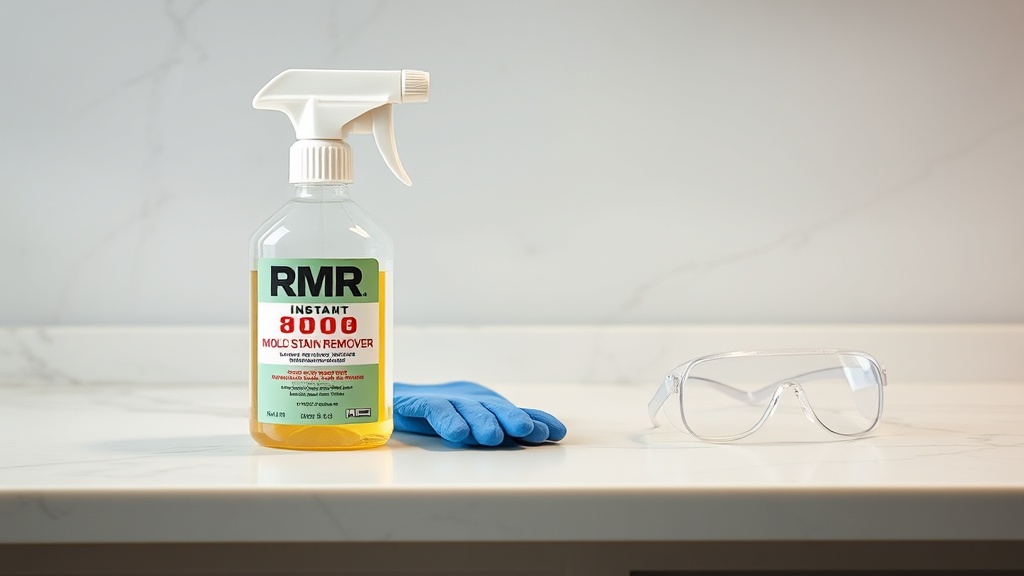
What Protective Gear Do You Need When Using RMR-86?
Using RMR-86 Instant Mold Stain Remover effectively removes stubborn mold stains, but its powerful formula requires careful handling. Without proper protective gear, you risk skin irritation, eye damage, or respiratory discomfort from its potent fumes. This guide walks you through the exact gear you need to stay safe while achieving professional-grade results.
What Are the Most Essential Protective Items for RMR-86?
The active ingredients in RMR-86—sodium hydroxide and other alkaline compounds—demand specific protection. Start with these non-negotiable items:
- Chemical-resistant gloves: Thick nitrile or neoprene gloves (at least 15-mil thickness). Avoid latex, as it degrades quickly with alkalines.
- Safety goggles: Look for splash-proof goggles with indirect ventilation. Standard glasses won’t seal out splashes.
- Long-sleeved clothing: Wear old jeans or a heavy cotton shirt. RMR-86 can bleach fabric permanently.
- Closed-toe shoes: Preferably rubber boots or old sneakers. The product can drip during application.
Without these basics, even a small splash can cause immediate irritation. For detailed application steps, read our Using RMR-86 Instant Mold Stain Remover on Bathroom Mold: A Step-by-Step Guide.
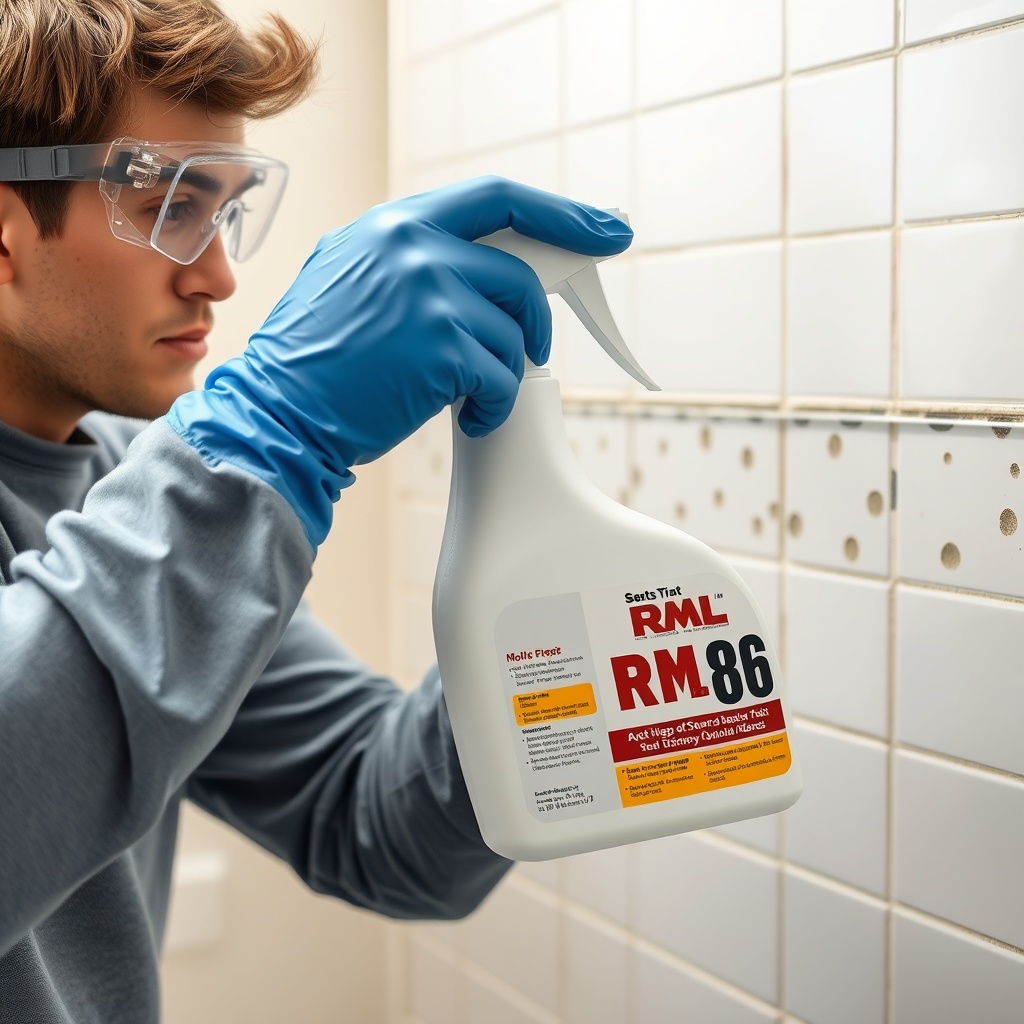
Should You Wear a Respirator or Mask With RMR-86?
Yes, especially in enclosed spaces, unventilated areas, or if you have respiratory sensitivities. Here’s what works:
- For occasional use in ventilated areas: A N95 respirator masks particulates but doesn’t block chemical vapors.
- For prolonged or indoor use: A half-face respirator with organic vapor/acid gas cartridges (e.g., 3M 6000 series with 6001 cartridges). This filters the alkaline fumes and any mold spores stirred up.
- What to avoid: Surgical masks or dust masks offer zero protection against chemical vapors.
During our RMR-86 Instant Mold Stain Remover Review: Is It Worth It?, we tested the product in a small bathroom without ventilation. The fumes required opening a window and wearing a respirator after 10 minutes. If you’re sensitive to strong odors, a respirator is wise.
How Does Protective Gear Differ for Indoor vs. Outdoor Use?
The setting changes your gear needs significantly:
| Condition | Usually Not Urgent (Outdoor or Well-Ventilated) | Needs Attention Soon (Indoor or Poor Ventilation) |
|---|---|---|
| Gloves | Standard 15-mil nitrile | 18–20-mil neoprene or rubber |
| Eye protection | Splash-proof goggles | Full-face shield recommended |
| Respirator | Optional with crosswind | Half-face respirator with organic vapor cartridges |
| Clothing | Long sleeves, old clothes | Disposable Tyvek coverall (to avoid absorbing fumes) |
| Footwear | Closed-toe shoes | Rubber boots (to avoid splash on socks) |
| Ventilation | Natural breeze sufficient | Need exhaust fan or open window |
If you’re working on a deck or siding outside, a breeze often dilutes fumes. Inside a basement or bathroom, the chemical stays concentrated, so upgrade your gear accordingly.
Can You Use RMR-86 Without Gloves or Goggles?
Technically yes, but it’s risky. The product’s alkaline pH (around 13) can cause chemical burns on skin within minutes. Even short contact often leads to redness or itching. Eye exposure is more serious—instantly painful and can damage the cornea.
In our experience testing RMR-86 for mold cleanup, we accidentally got a drop on bare skin. It started stinging within 30 seconds, requiring immediate water rinsing. For comparison, the RMR-86 vs Concrobium Mold Control: Which Works Better? article notes Concrobium is gentler on skin, but RMR-86 requires more caution.
If you’re cleaning a small patch of mold and feel confident, at least wear a single-use nitrile glove and safety glasses. For larger jobs, don’t skip the full gear suite.
What Should You Do If RMR-86 Gets on Your Skin or Eyes?
Immediate action reduces harm. Follow these steps exactly:
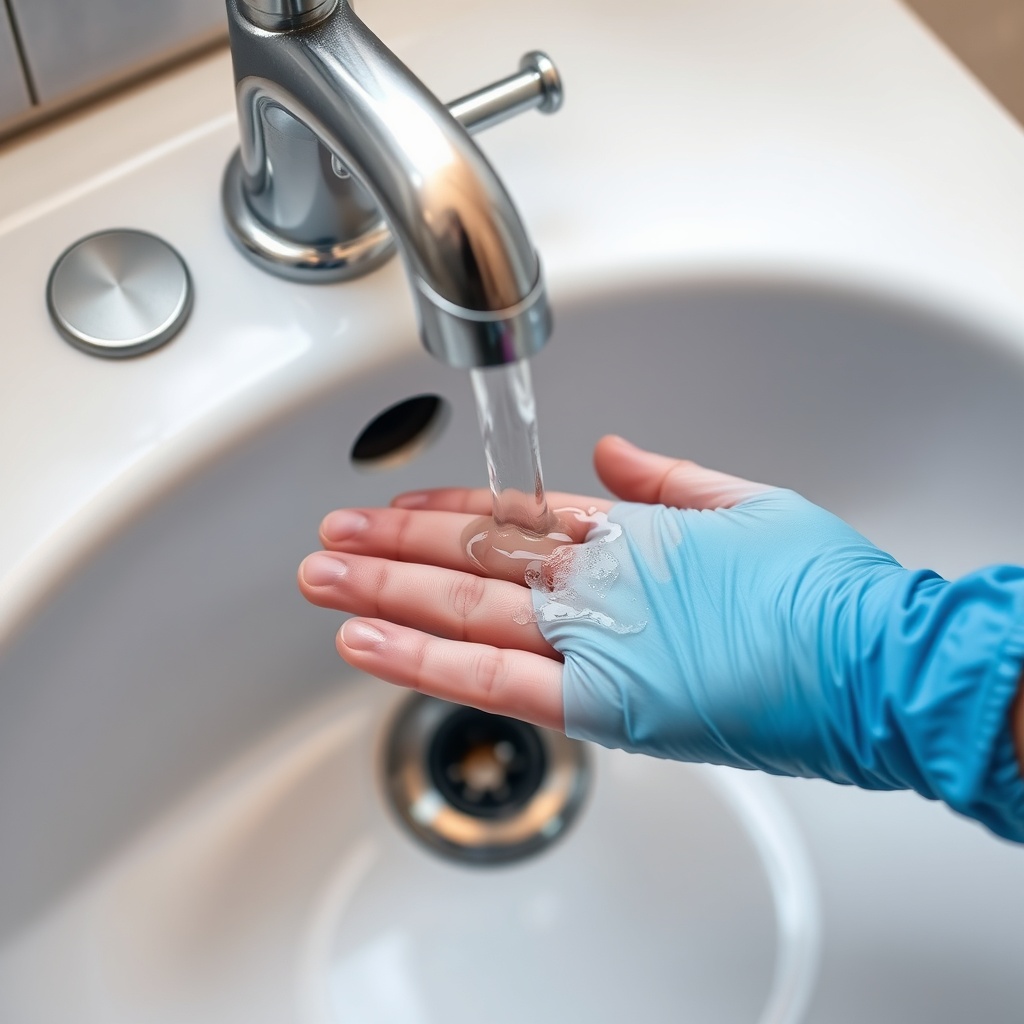
- For skin: Remove contaminated clothing. Rinse the area with cool water for 15–20 minutes. Do not rub. Apply a mild soap after rinsing. If redness persists or blisters form, call your doctor or poison control (1-800-222-1222 in the US).
- For eyes: Immediately tilt your head toward the affected side and flush with lukewarm water for 20 minutes. Remove contact lenses if possible. Keep eye open while flushing. Seek medical attention even if pain subsides.
- For inhalation: Move to fresh air. If breathing difficulty develops, get medical help.
Keep a bottle of clean water nearby whenever you spray. It’s the best first-aid tool. Also note that RMR-86 can stain fabric instantly—use towels you don’t mind marking.
Is Protective Gear Different for Spraying vs. Wiping RMR-86?
Spraying creates aerosolized droplets that hang in the air longer, increasing inhalation risk. Wiping reduces airborne particles but still requires skin protection.
- Spraying: Always wear a respirator and goggles. The fine mist from a spray bottle travels several feet. Use a pump sprayer with coarse mist setting to reduce drift.
- Wiping: You still need gloves and goggles, but a respirator may be optional if the room is well-ventilated and you’re not flexing the product into the air. A sponge or cloth can trap fumes, so keep the area aired out.
In tight spaces like shower corners, spraying often pushes product into crevices. For detailed steps, our guide Using RMR-86 Instant Mold Stain Remover on Bathroom Mold: A Step-by-Step Guide covers technique for both methods.
What Do Owners Say?
Real users share their protective gear experiences. One homeowner reported: “I used RMR-86 in my basement without a respirator, just an open window. After 15 minutes, my throat felt raw. Next time, I’ll wear the respirator for sure.”
Another said: “I wore thick nitrile gloves, but still got a tiny splash on my arm through a gap. It blistered slightly. Now I always use long sleeves and tuck gloves under the cuffs.”
A contractor added: “We spray RMR-86 on moldy ceilings. The 3M respirator with organic vapor cartridges is standard for my crew. No one has had issues since we made it mandatory.”
Frequently Asked Questions
Do I need a respirator for RMR-86 in an open garage?
In an open garage with good cross-ventilation, a respirator is optional for short applications. However, the fumes can still be strong if you’re spraying a large area. A N95 mask offers some particle protection but not vapor. For comfort, a half-face respirator is still recommended.
Can I use latex gloves with RMR-86?
No, latex gloves degrade quickly when exposed to strong alkaline solutions like RMR-86, especially at pH 13. Use thick nitrile or neoprene gloves (at least 15-mil thickness). They resist chemical penetration and provide better grip.
Is RMR-86 safe to use around pets or children?
Only if you keep them out of the area until the product is fully dry. RMR-86 releases strong fumes and can cause skin irritation. Ventilate thoroughly for 2–4 hours and wipe surfaces clean after treatment. Never spray near pets’ feeding areas.
How long do I need to keep protective gear on after spraying?
Keep gloves and goggles on until you’ve thoroughly rinsed the area and wiped down surfaces. Usually 30–60 minutes total. Remove gloves last to avoid transferring product to bare hands. Wash hands with soap afterward.
What if I accidentally inhale RMR-86 fumes?
Go to fresh air immediately. If coughing, shortness of breath, or throat irritation persists, stay in fresh air for 15 minutes before resuming. Seek medical help if symptoms worsen. Use a respirator for future applications to prevent recurrence.
Can I wear contact lenses while using RMR-86?
It’s not recommended, as chemicals can get trapped under lenses. If you must, wear over-the-glasses goggles that form a seal. Remove and flush eyes immediately if any product gets in. For safety, switch to prescription safety glasses or wear lenses during breaks only.