Can a Home Mold Test Kit Really Give You Reliable Results?
Mold growth is a persistent threat in humid climates, and homeowners in the United States and Canada increasingly turn to mold test kits for quick answers before calling in professionals. A single kit might cost between $12 and $60, but not all tests are created equal. Understanding the strengths and limitations of each type—from petri dish collection to air sampling cassettes—can save you from misinterpretation and unnecessary remediation costs.
This guide walks you through the key factors to evaluate when purchasing a mold test kit for home use, including detection methods, laboratory fees, and practical scenarios where a DIY approach makes sense. We also link to our detailed comparison of Mold Test Kits vs Professional Inspection: When to DIY to help you decide whether a test kit is right for your situation.
What Types of Mold Test Kits Are Available for Homeowners?
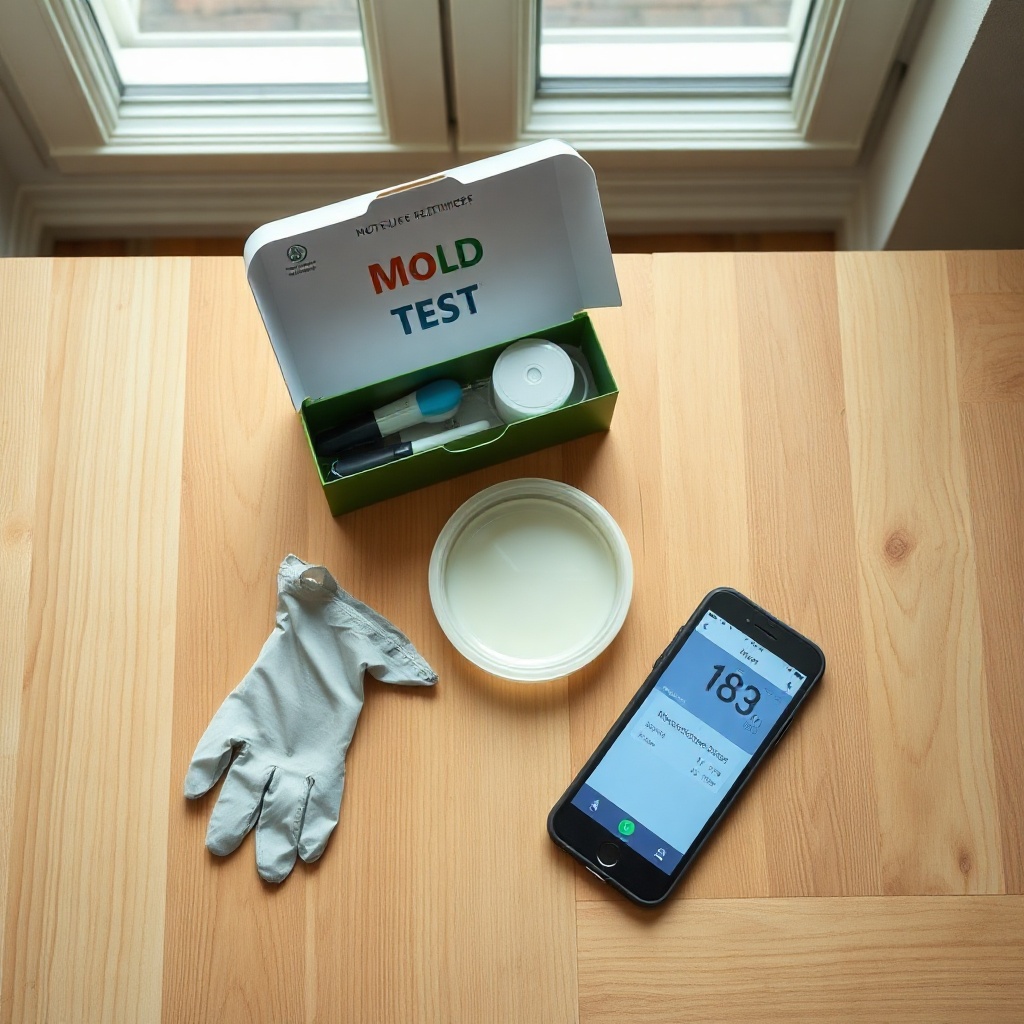
The first decision is selecting the right sampling method. The three main categories are:
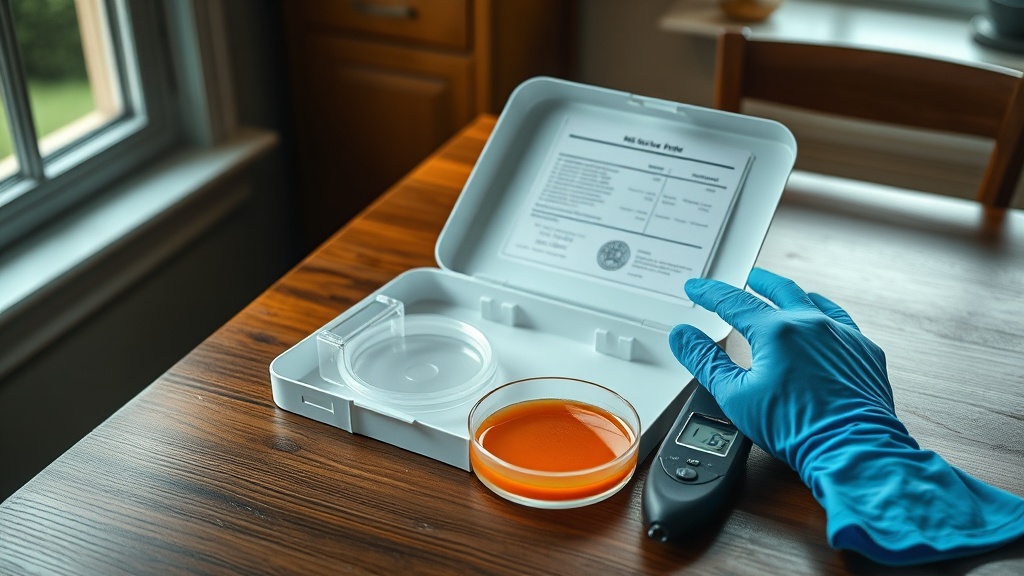
- Petri dish (settle plate) kits: These passive samplers rely on airborne spores settling onto an agar medium. They are the least expensive ($8–$20) but only capture larger, heavy spores and may miss hyphal fragments. Ideal for preliminary curiosity, not definitive diagnosis.
- Tape lift or swab kits: You physically collect a sample from a visible surface—a wall, baseboard, or ceiling stain. These cost $10–$25 and can identify what you see, but they don’t measure airborne spore counts. Useful for verifying visible growth.
- Air pump (spore trap) kits: A small pump pulls a measured volume of air through a cassette, capturing spores on a sticky slide or filter. Starting at $30–$60 plus lab fees ($40–$100), these provide quantitative data comparable to professional sampling. Best for hidden mold detection.
For heavy infestations, a spore trap kit can reveal mold species and concentration even if you see nothing. But remember: even the best DIY kit cannot replace a professional’s visual inspection and moisture mapping. Our article on Comparing RMR-86 with Mold Armor FG502 on Porous Surfaces may help if you plan to treat the affected area after testing.
Which Detection Method Is Most Accurate for Hidden Mold?
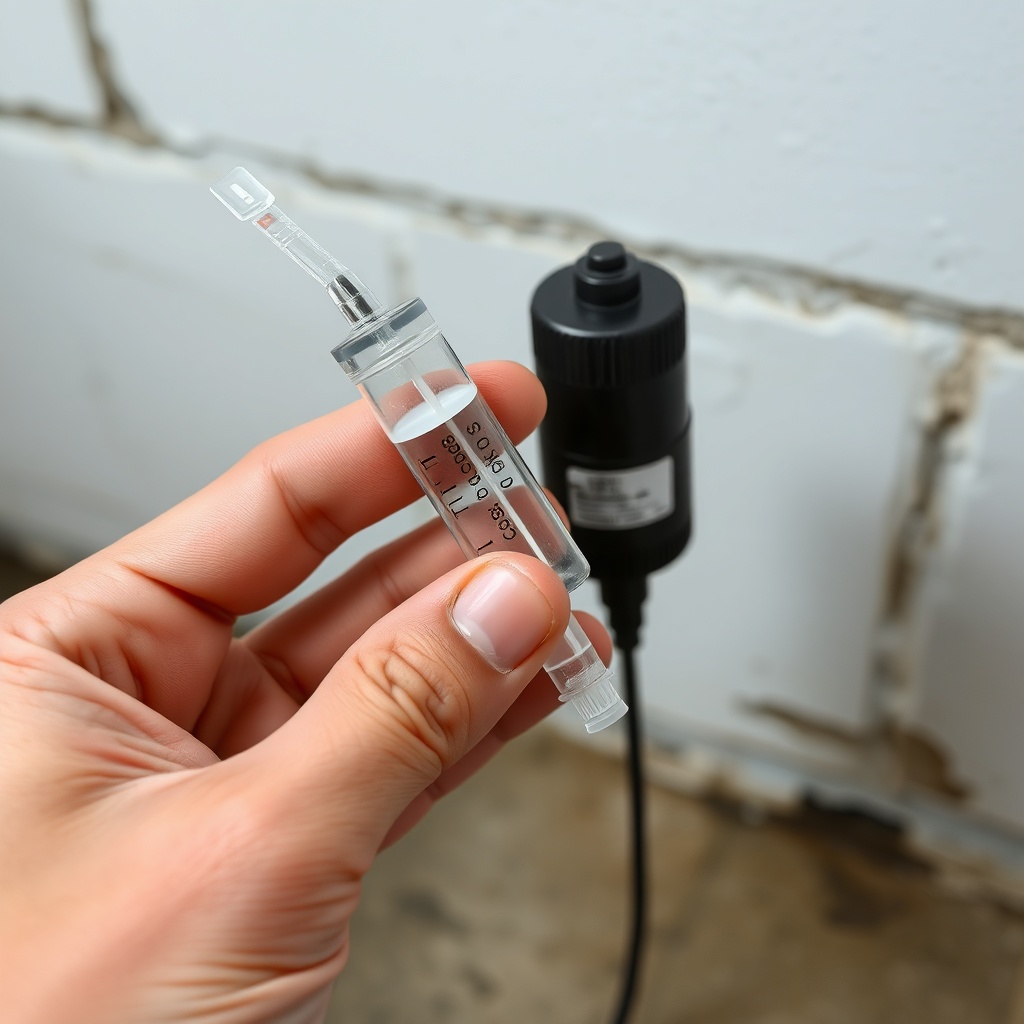
Accuracy depends on what you need to prove. If you suspect mold behind drywall or in HVAC ducts, a settle plate kit will likely give false negatives because heavy spores do not travel far. In that scenario, a spore trap air sampling cassette provides the best approximation of your indoor air quality.
Consider this comparison of common kit specifications:
| Kit Type | Sampling Method | Spore Size Captured | Lab Analysis Required | Typical Cost (kit + lab) | Best Use Case |
|---|---|---|---|---|---|
| Petri dish settle plate | Passive gravity settlement | >10 µm | Yes, often separate | $15–$30 | General air quality curiosity |
| Tape lift/swab | Direct surface contact | All visible spores | Optional for ID | $10–$25 | Visible mold verification |
| Spore trap air cassette | Active pump at 15 L/min | >2.5 µm | Required | $50–$160 | Hidden mold suspicion, post-remediation verification |
Lab analysis for spore trap kits usually returns a report with a spore count per cubic meter and identification to genus level. That data is far more actionable than a petri dish that grows fuzzy colonies over five days. However, even the most accurate DIY kit cannot replicate the calibrated flow rate and chain-of-custody protocols that professional mold inspectors use.
What Hidden Costs Should You Watch For (Lab Fees, Shipping)?
The initial purchase price of a mold test kit is rarely the final cost. Most reliable kits require you to mail the sample to a certified laboratory for analysis. Lab fees can range from $35 to $120 depending on turnaround time and whether you request a written interpretation. Some companies bundle lab fees in the kit price, but always read the fine print.
Shipping is another variable. Many labs charge $10–$20 for return shipping, and some require overnight delivery to preserve sample viability. If you use a settle plate kit with a gel medium, improper shipping can cause condensation and contamination. In the United States, budget at least $50–$70 total for a basic spore trap analysis. In Canada, expect $60–$90 CAD after currency conversion and cross-border shipping.
Avoid kits that promise “instant” results without lab analysis—they typically rely on color-change reactions that are notoriously inaccurate. As we explain in How to Choose the Best Dehumidifier for Mold Prevention, controlling moisture is the real long-term solution, not just testing.
Which Mold Species Cause the Most Concern in Residences?
Not all mold is equally problematic. A test kit that identifies only genus-level presence—such as “Penicillium/Aspergillus” or “Cladosporium”—is sufficient for most homeowners. Those two groups, along with Alternaria, are the most common indoor molds. They can trigger allergies and asthma but are rarely toxic in low concentrations.
If your kit detects Stachybotrys chartarum (black mold) or Chaetomium, that warrants professional remediation regardless of spore count. Stachybotrys is slow-growing and requires chronic moisture, so its presence indicates a hidden leak. However, remember that “toxic mold” is a misleading term: while some species produce mycotoxins, the health risk depends on exposure duration and individual sensitivity, not just species name.
Most reputable labs will flag these species in their report. If you want detailed species identification, order a spore trap analysis with a full “mold panel” that includes over 20 genera.
How Long Does It Take to Get Results from a Mold Test Kit?
Timelines vary dramatically by method:
- Settle plate kits: You mail the exposed plate and wait 7–14 days for the lab to culture and identify. The plate must remain at room temperature during transit, which can degrade sample quality.
- Swab or tape lift kits: If you send to a lab, expect 5–10 business days for microscopy analysis. Some kits allow you to view the slide yourself under a microscope if you have one, but interpretation is difficult without training.
- Spore trap kits: Most labs return results within 3–5 business days after receipt. Express services (24-hour turnaround) are available for an additional $25–$50.
If you are trying to decide between repairing a leak or moving forward with abatement, waiting two weeks can be frustrating. That is why many homeowners use spore trap kits first for speed, then follow up with a professional inspection if the air spore count exceeds 500–1,000 spores/m³ for a single species.
What Owners Say About Their DIY Mold Testing Experience
Homeowners across North America report a mix of satisfaction and caution. On home improvement forums and retailer review sections, the most common positive feedback is that a spore trap kit gave them “peace of mind” when moving into a new home or after fixing a historical leak. One user from Florida wrote that a $45 kit revealed high levels of Aspergillus in the bedroom, prompting them to discover mold inside the wall HVAC return.
However, owners also warn about false negatives from settle plate kits. A reviewer on a major retailer site noted, “I got nothing growing on the dish for three days, but the next winter my allergies were terrible. Paid for a professional inspection—found mold in the attic.” That feedback aligns with our own recommendation: if you have health symptoms or a known water event, skip the $15 kit and invest in a spore trap or call a licensed mold assessor.
Many owners appreciated that most kit companies include prepaid return shipping and a detailed report. One Canadian user said the laboratory even emailed a PDF with recommendations for remediation companies in their area. On the negative side, several owners complained that interpretation of results was confusing—terms like “raw count” versus “corrected count” left them unsure whether 200 spores/m³ was dangerous. That is why choosing a kit with a clear, color-coded risk assessment (low, moderate, high) can be worth the extra $10–$20.
Frequently Asked Questions
1. Can I trust a mold test kit to tell me if the air in my home is safe?
Only partly. A spore trap kit gives you a snapshot of airborne spore concentrations at a specific time and location. It cannot measure mycotoxins, bacteria, or volatile organic compounds (VOCs) that cause odors. For a comprehensive safety assessment, combine testing with a visual inspection and moisture meter.
2. How much does a professional mold inspection cost compared to a DIY kit?
Professional inspections typically range from $250–$600 in the United States (CAD 340–$820) and include a written report with air sampling, moisture mapping, and remediation guidance. A DIY spore trap kit costs $50–$160 total. Our article Mold Test Kits vs Professional Inspection: When to DIY explains when each option makes sense.
3. Do mold test kits expire?
Yes. Most kits have a shelf life of 6 to 18 months when stored in a cool, dry place. Check the packaging date before purchase. Expired agar medium may not support mold growth, and pump cassettes can lose vacuum integrity.
4. What should I do if my test kit comes back positive?
First, identify the moisture source—leaky pipe, high humidity, roof damage—and fix it immediately. If the affected area is smaller than 10 square feet (roughly 3 ft × 3 ft), you can clean it yourself using a detergent solution and HEPA vacuum. Use our guide on Comparing RMR-86 with Mold Armor FG502 on Porous Surfaces for product recommendations. For larger areas, hire a certified mold remediation company.
5. Can I test for mold in my car or RV with the same kit?
Many spore trap and tape lift kits work in vehicles as long as you follow the same protocol. However, car interiors may have higher temperatures that degrade agar. Tape lift kits are more reliable for a car’s upholstery or vents.
6. Do I need a lab analysis if I only see a little mold on the wall?
Not always. If the mold is obviously Penicillium or Aspergillus (fuzzy green/black) and the area is small, clean it and monitor for return. Lab analysis is worth the cost if you have health concerns, plan to dispute a landlord’s claim, or are buying a house and want to negotiate repairs.