What Makes RMR-86 Effective for Porous Concrete?
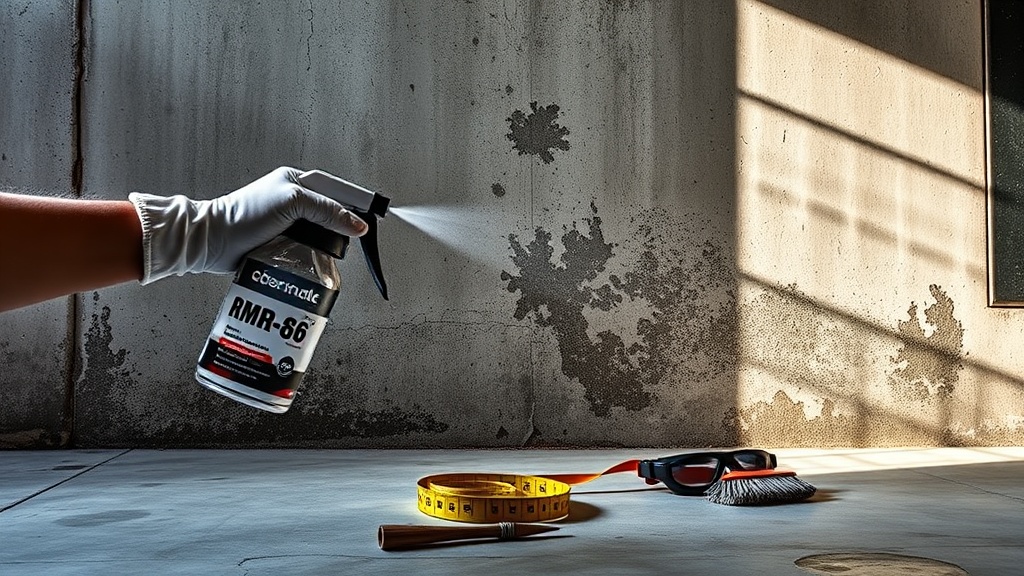
RMR-86 is a professional-grade mold stain remover that uses a concentrated sodium hypochlorite formula with surfactants to penetrate deep into porous materials like concrete. Unlike bleach-based household cleaners, RMR-86 contains 2.5% active chlorine combined with specialized wetting agents that break surface tension, allowing the solution to seep into concrete’s microscopic pores where mold roots (hyphae) embed themselves. For concrete surfaces such as basement walls, patios, or garage floors, this deep penetration is critical because mold often colonizes not just the surface but also the open capillary structure of concrete. A single application can remove dark stains caused by mold on grout and tile or concrete in minutes, whereas traditional scrubbing might leave residues behind.
Additionally, RMR-86’s rapid action (visible results within 15-30 seconds on light stains) reduces the need for abrasive scrubbing that can damage concrete’s finish. For porous concrete, this is especially beneficial because aggressive brushing can abrade the surface, making it even more porous and prone to future mold growth. The product’s ability to oxidize mold pigments without leaving sticky residues makes it a favorite among DIY home cleaners looking to restore concrete to its original appearance before sealing or painting.
What Safety Precautions Should I Take Before Applying RMR-86?
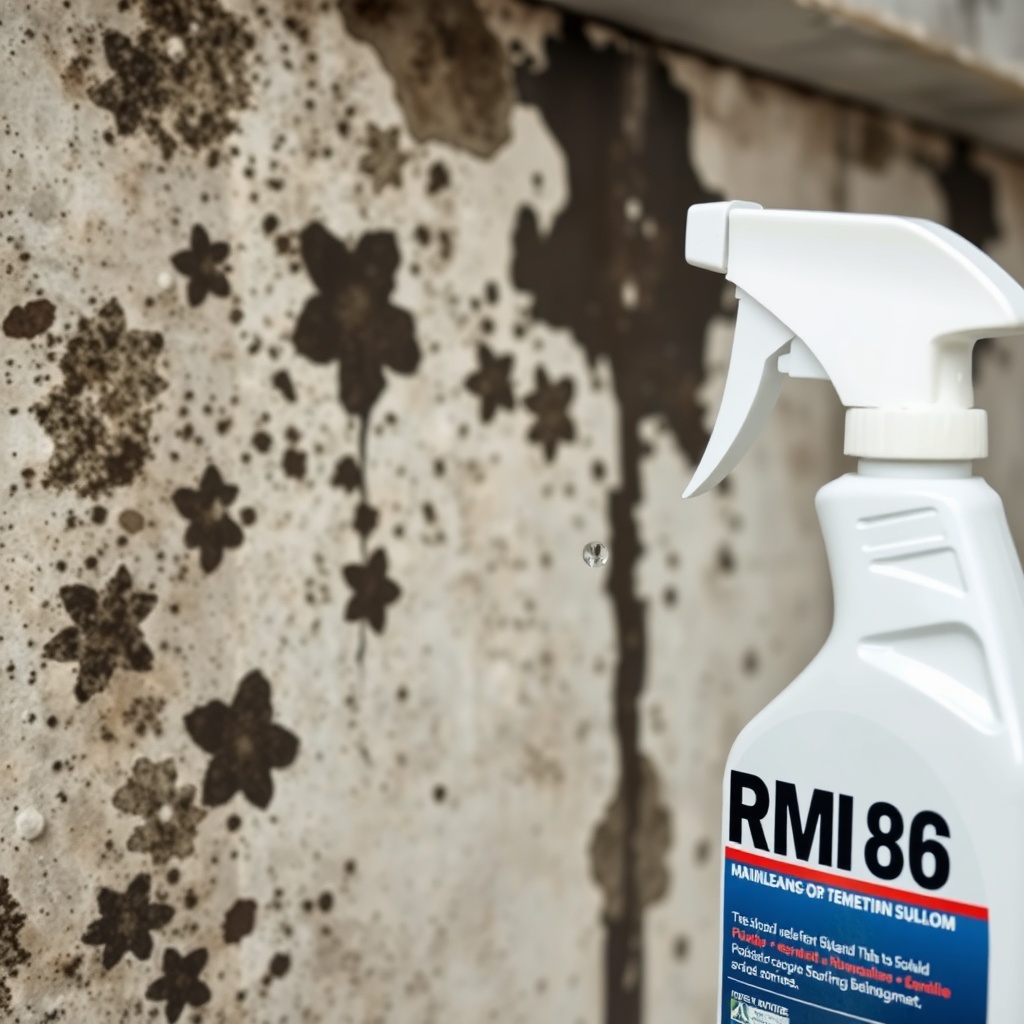
Before using RMR-86 on any concrete surface, proper safety gear is non-negotiable. The concentrated bleach solution can irritate skin, eyes, and respiratory passages. Wear nitrile or rubber gloves (not latex, which degrades quickly), safety goggles with side shields, and a NIOSH-approved respirator rated for chlorine gas (e.g., N95 or better) if working in enclosed areas like basements. Open all windows and doors, and use a fan to exhaust fumes outdoors. Concrete absorbs liquids, so the product will remain on the surface longer than on non-porous materials, increasing fume concentration over time.
Protect nearby vegetation and metal fixtures: RMR-86 can kill grass, stain painted surfaces, and corrode aluminum or steel. Cover plants with plastic sheeting, and rinse any metal door frames, vents, or handrails with water if splashed. For vinyl siding or adjacent structures, test the product on an inconspicuous area first to ensure no discoloration. Also, avoid mixing RMR-86 with ammonia or acidic cleaners (like vinegar or lime descaler), as this creates toxic chlorine gas. Have fresh water and a spray bottle of clean water nearby to rinse skin or eyes immediately if accidents occur.
How Do I Prepare the Concrete Surface for RMR-86 Treatment?
Preparation is key to preventing recontamination. Start by sweeping or vacuuming loose dirt, dust, and cobwebs from the concrete. If the concrete is heavily soiled with grease or oil, use a degreaser (like trisodium phosphate or a citrus-based cleaner) and rinse thoroughly; otherwise, the RMR-86 may not penetrate properly. For porous concrete that has been previously painted or sealed, note that RMR-86 may not reach embedded mold if the coating is intact. In such cases, consider stripping the sealant first, or test the product on a small patch to see if it lifts stains through the coating.
Wet the concrete surface with plain water using a garden sprayer or hose before applying RMR-86. This pre-wetting step reduces the drying rate of the solution, allowing it more time to penetrate pores and react with mold. It also helps neutralize the bleach’s immediate strength, preventing over-etching of concrete surfaces. For vertical concrete walls (like basement foundations), lightly mist the surface—do not soak, as excessive water can dilute the product below effective concentration. Allow the pre-wet surface to appear damp but not shiny before proceeding.
What Is the Step-by-Step Application Process for Porous Concrete?
Follow these precise steps to ensure optimal results on concrete:
- Step 1: Fill a clean garden sprayer (with a fine-mist nozzle) or a trigger spray bottle with undiluted RMR-86. Do not mix with water unless instructed for very light stains.
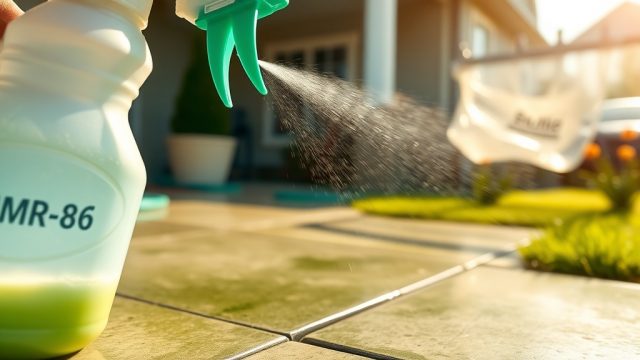
- Step 2: Starting from a bottom corner of the affected area, apply the solution in long, even passes, working upward. Keep the nozzle 6-8 inches from the surface to avoid splashing.
- Step 3: Allow the solution to dwell for approximately 30 seconds to 2 minutes. You should see black or green mold stains visibly lighten or disappear within this window. If stains persist, apply a second coat and let it dwell for 5 minutes.
- Step 4: Agitate stubborn areas with a soft-bristle brush (nylon or natural fiber, not metal) to help the solution penetrate deeper into concrete pores. Scrub in circular motions for 10-15 seconds.
- Step 5: Rinse the concrete thoroughly with clean water from a hose or pressure washer (set to low pressure, under 1,000 PSI). Aim to remove all residual bleach solution, which can otherwise leave white stains on concrete as it dries.
- Step 6: Use a wet/dry vacuum squeegee attachment or a stiff broom to remove excess water, then allow the concrete to dry completely for 24-48 hours before sealing or painting.
How Does Application Differ for Severely Mold-Infested Concrete?
For concrete surfaces with heavy mold growth (thick layers of black or green colonies covering more than 50% of the area), adjustments are necessary. First, pre-clean loose mold with a stiff dry brush to remove the bulk of the growth—this prevents the solution from being saturated too quickly. Then, apply RMR-86 as described, but allow a dwell time of 5-10 minutes with an additional activation step: lightly mist the area with water again after 3 minutes to reactivate the chlorine. This technique is especially useful for acrylic tub mold stains and concrete alike.
After rinsing, assess the results. If deep staining remains (commonly seen with years-old growth), a second treatment after 24 hours is often necessary. For heavily contaminated concrete, consider using a stiff-bristle push broom to agitate during application. However, avoid using wire brushes, which can leave metal particles that rust or streak concrete. For extreme cases where mold has structurally weakened the concrete (indicated by crumbling or flaking), replace affected sections rather than rely solely on cleaning.
| Concrete Condition | Pre-treatment | Dwell Time | Applications Needed | Drying Time |
|---|---|---|---|---|
| Light surface mold (sparse spots) | Dry sweep only | 30-60 seconds | 1 | 24 hours |
| Moderate mold (patchy, under 50% coverage) | Pre-wet, light scrub | 60-90 seconds | 1-2 | 24-36 hours |
| Heavy mold (thick colonies, >50% coverage) | Dry brush, pre-wet | 5-10 minutes | 2-3 | 36-48 hours |
| Deep embedded stains (old, set-in black lines) | Vacuum, pre-wet twice | 10 minutes + agitation | 2-4 | 48 hours |
What Aftercare Is Needed to Prevent Mold Return on Concrete?
After drying, concrete remains vulnerable to moisture absorption. Apply a penetrating sealer (such as a silane-siloxane blend) designed for concrete to create a hydrophobic barrier. Cost for a gallon of quality sealer ranges from $25 to $60 in the US, covering 200-400 square feet. Additionally, reduce humidity levels in the area using a dehumidifier. For best results, choose a unit with a capacity of at least 50 pints per day for a typical basement—see our guide on the best dehumidifier to use after RMR-86 treatment for recommendations on continuous drainage and built-in pumps.
Monitor the surface monthly for new spots. If mold reappears, reapply RMR-86 locally without waiting for widespread growth. For concrete in contact with soil (like foundation walls), improve grading to channel water away and install a vapor barrier on the exterior. Indoors, avoid storing cardboard boxes or organic materials directly against concrete walls, as these can trap moisture and feed mold. A hygrometer costing around $15 can alert you when relative humidity exceeds 60%, at which point mold becomes active again.
What Do Homeowners Say About Using RMR-86 on Concrete?
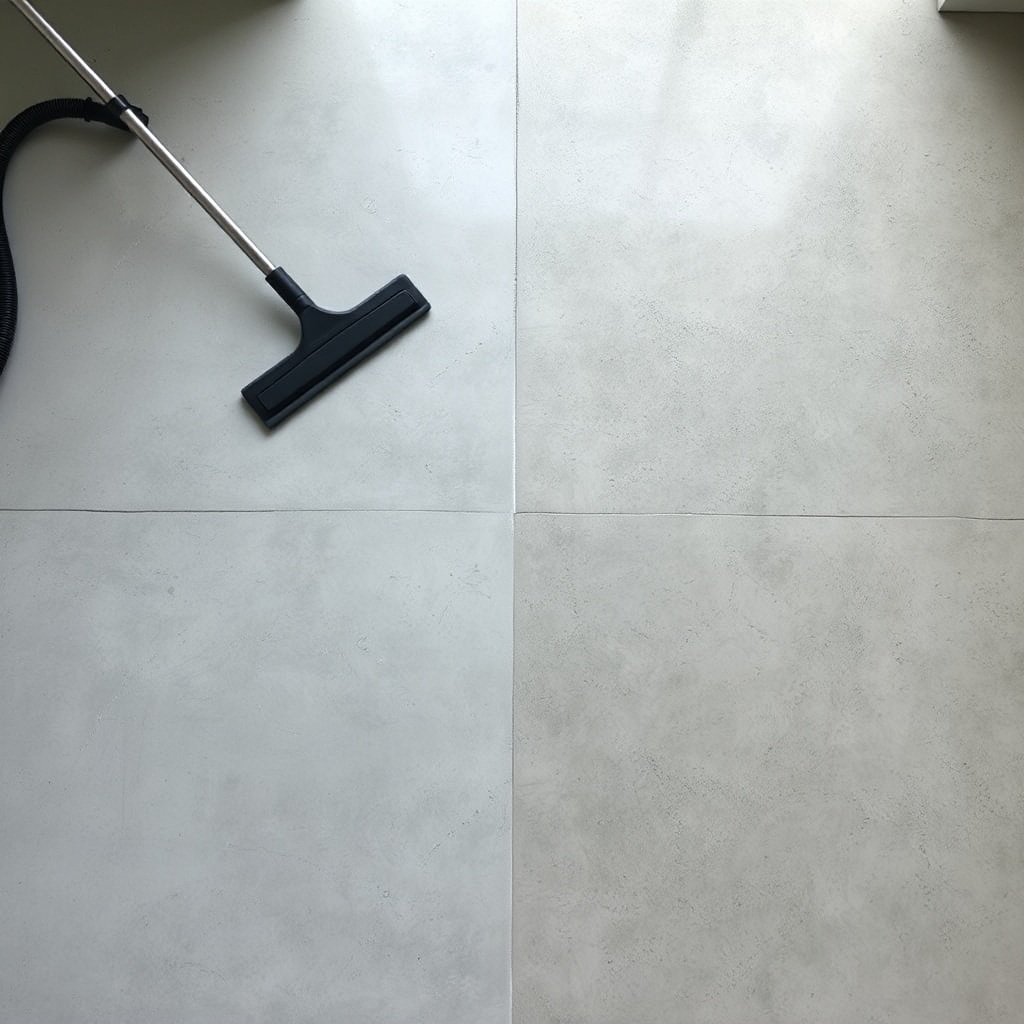
User feedback consistently praises RMR-86’s speed on concrete. On average, homeowners report that stains from four-year-old mold in garage floors vanished within 90 seconds of application, with no lingering odor after rinsing. Comments on DIY forums highlight the importance of pre-wetting: “I skipped pre-wetting on my basement wall and got poor penetration—the second attempt with pre-misting worked like magic.” Others caution against leaving the product overnight; one user in Oregon left RMR-86 on a concrete patio for 6 hours and noticed slight efflorescence (white salt deposits) that required neutralization with white vinegar.
The most common complaint is the price: a 1-gallon bottle costs $19.99 at major US retailers, which some consider steep for large areas. However, many note that a little goes far—a quart covers 200 square feet on smooth concrete, halved for rough surfaces. For limestone or other calcareous stones, owners advise extreme caution, as RMR-86 can etch the surface. But for standard concrete, reviews average 4.6 out of 5 stars, with stands-out for removing “impossible” black stains that resisted bleach sprays for years.
Frequently Asked Questions
Q1: Can RMR-86 be used on painted concrete?
A: Yes, but with caution. RMR-86 may lift or fade paint, especially latex-based. Test on a hidden spot first. For best results, consider stripping old paint before treatment.
Q2: How long should I wait before sealing concrete after RMR-86?
A: Wait at least 48 hours for the concrete to dry completely. Test moisture by tapping plastic sheeting to the surface; if condensation forms inside after 24 hours, wait another day. Sealing too early traps moisture and can cause blistering.
Q3: Is RMR-86 safe for outdoor concrete like driveways?
A: Yes, but protect adjacent grass and plants. Rinse the concrete thoroughly afterward to prevent bleach runoff from damaging vegetation. On hot days (over 85°F), apply in early morning or evening to prevent rapid evaporation.
Q4: What if RMR-86 leaves a white residue on concrete?
A: This is usually dried chlorine salt. Rinse the area again with a 50:50 mixture of water and white vinegar, then rinse with plain water. The vinegar neutralizes residual bleach. Avoid using too much product—more is not better for concrete.
Q5: Can I use RMR-86 on concrete countertops or floors indoors?
A: For sealed concrete countertops, test first—the product may cloud the sealer. For unsealed concrete floors (like basements), it’s safe, but ensure ventilation and remove pets and children until the area is dry. Follow with a dehumidifier per our complete guide.
Q6: Does RMR-86 kill mold roots or just remove stains?
A: RMR-86 kills mold on contact including surface hyphae, but it may not penetrate deep enough to kill roots deeper than 1/16 inch in porous concrete. For prevention, combine with a borate-based treatment or ensure concrete is sealed. For grout and tile, it’s even effective on deeper-set stains.