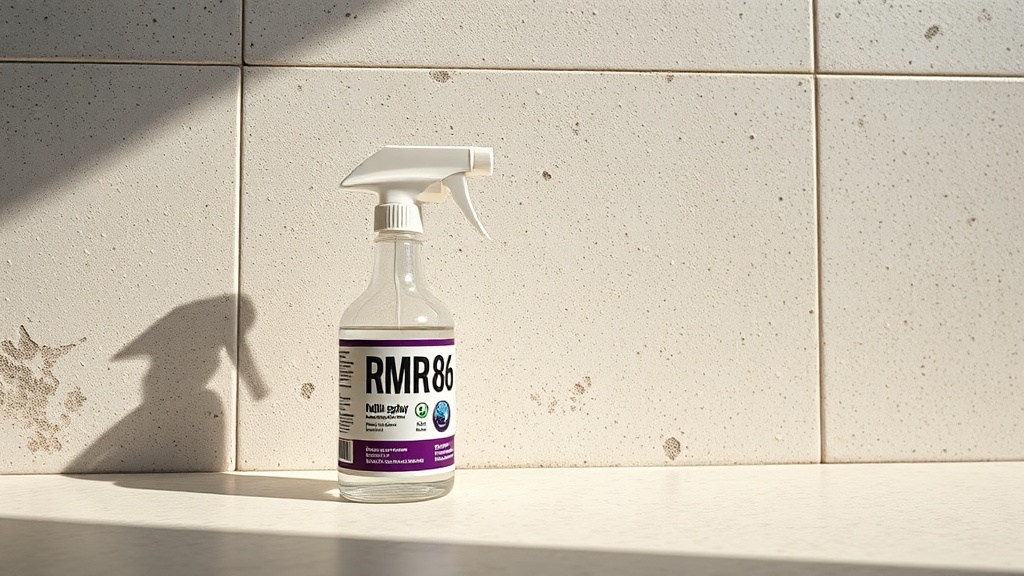
Understanding RMR-86 and Its Application on Limestone Surfaces
RMR-86 is a powerful mold and mildew stain remover that has gained popularity for its rapid action on porous materials. However, when it comes to applying this strong alkaline cleaner to limestone, a natural stone known for its sensitivity to acids and harsh chemicals, special precautions are necessary. This guide explores the proper techniques, potential risks, and rewards of using RMR-86 on limestone surfaces, ensuring you achieve effective mold removal without damaging the stone.
Limestone is a sedimentary rock composed primarily of calcium carbonate, making it vulnerable to etching and discoloration when exposed to aggressive chemicals. Understanding the interaction between RMR-86 and limestone is crucial for maintaining the integrity of your stone surfaces while eliminating unsightly mold growth.
Is It Safe to Use RMR-86 on Limestone?
The short answer is yes, but only if you take specific precautions. RMR-86 is a sodium hydroxide-based cleaner (lye) with a very high pH, typically around 13-14. While this makes it effective at removing mold stains, it can potentially damage limestone if left on too long or used undiluted on sensitive stone.
Limestone reacts chemically with high-pH substances, which can cause the stone to become soft, crumble, or develop a chalky residue. However, when used correctly for short durations, RMR-86 can be safe and effective. The key is to limit contact time and always test on an inconspicuous area first. For severe mold infestations, you may need to consider alternative methods or consult a stone restoration professional, but for light to moderate stains, RMR-86 can work well.
Important note: Never use RMR-86 on polished limestone or travertine tiles, as the high pH can permanently dull the finish. For rough-cut or tumbled limestone, the risk is lower but still present.
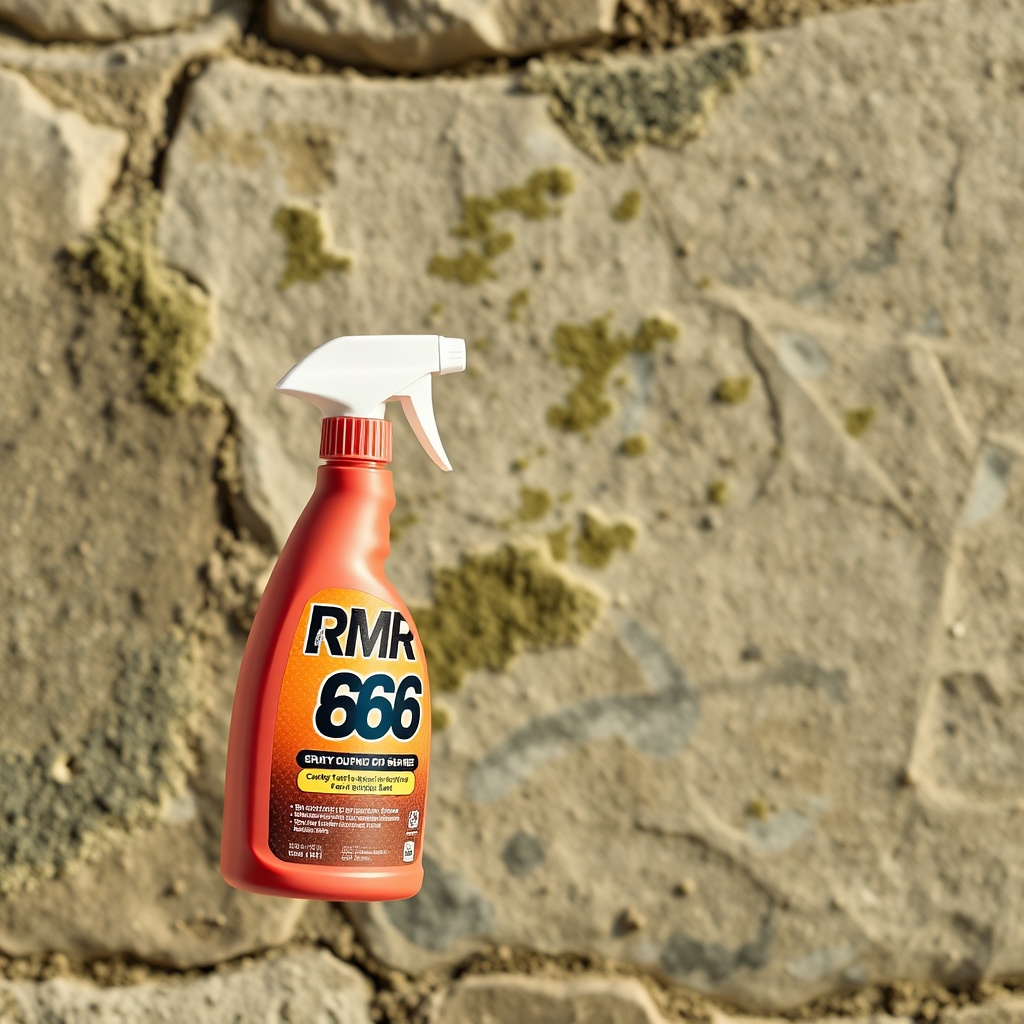
How to Properly Apply RMR-86 on Limestone?
Follow this detailed step-by-step process to minimize risk and maximize results when using RMR-86 on limestone surfaces. Always wear protective gear including nitrile gloves, safety goggles, and a respirator when working with this chemical.
Preparation Steps
- Test first: Apply a small amount of RMR-86 to an inconspicuous area of the limestone (like behind a plant or in a corner) and wait 5 minutes. Rinse thoroughly and check for any discoloration or etching 24 hours later.
- Protect surroundings: Cover nearby metal fixtures, wood, and plants with plastic sheeting. RMR-86 can cause rust and damage to these materials.
- Dry brush loose debris: Use a soft brush to remove loose dirt and mold spores before applying RMR-86.
Application Process
- Dilute if necessary: For light mold stains, dilute RMR-86 with distilled water at a 1:1 ratio. For tougher stains, use full strength but reduce contact time.
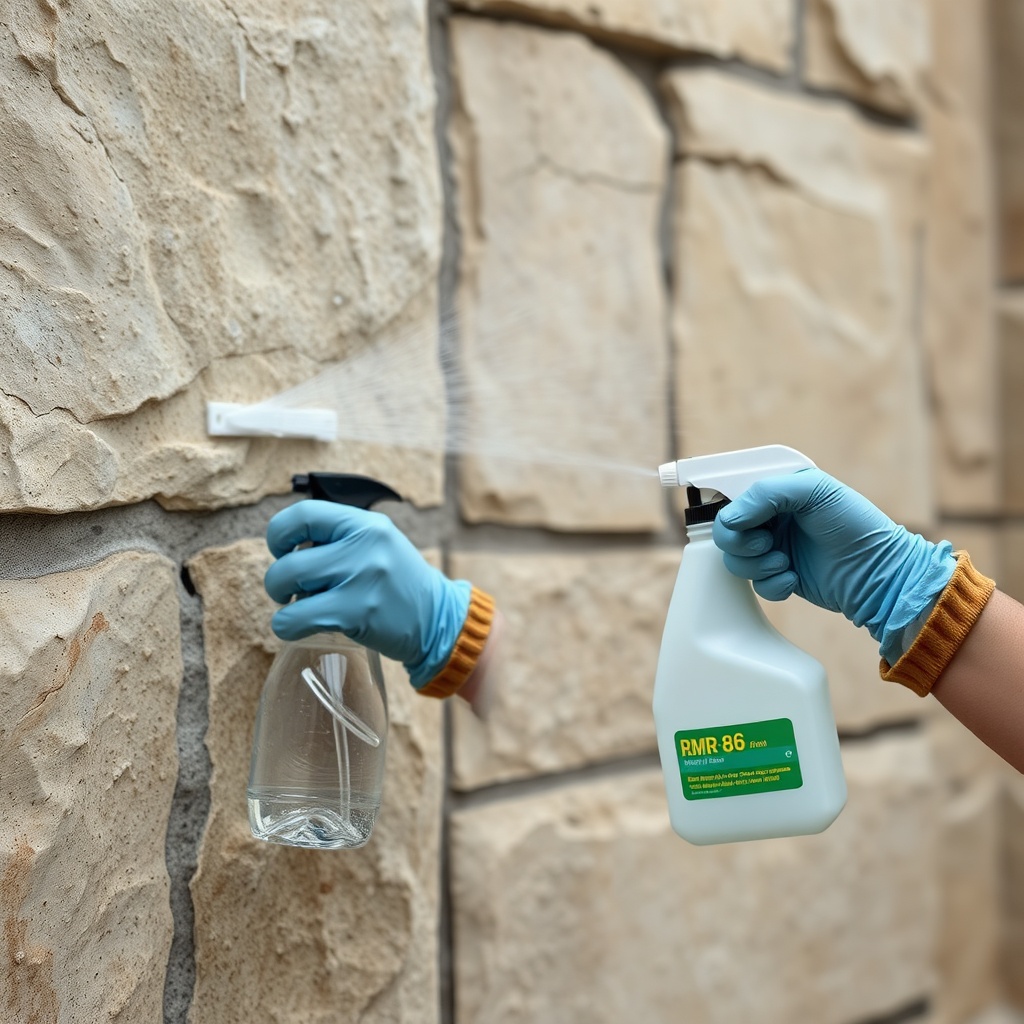
- Spray evenly: Apply a light mist of RMR-86 directly onto the moldy limestone. Do not saturate the stone.
- Wait short time: Allow the solution to dwell for 1-2 minutes maximum. Do not exceed 3 minutes on limestone.
- Scrub gently: Use a non-abrasive nylon brush to agitate the stain. Avoid wire brushes or scrub pads on limestone.
- Rinse immediately: Thoroughly rinse the area with clean water using a spray bottle or soft sponge. Repeat rinsing 3-4 times to remove all chemical residue.
- Neutralize: For extra safety, mix a solution of 1 teaspoon white vinegar per gallon of water (to lower pH) and apply after rinsing, then rinse again with plain water.
Post-Treatment Care
- Dry thoroughly: Use microfiber cloths to blot excess moisture. Do not let water pool on the stone.
- Allow to cure: Let the limestone air dry for 24 hours before applying any sealers or treatments.
- Inspect: Check for any residual stains or chemical damage. If mold persists, consider using a specialist stone cleaner instead of reapplying RMR-86.
Comparison: RMR-86 vs. Stone-Safe Mold Removers for Limestone
To help you choose the best product for your specific limestone situation, here is a comparison between RMR-86 and typical stone-safe mold removers. Note that prices are based on average retail in the UK (GBP) as of 2024.
| Feature | RMR-86 (Standard) | Stone-Safe Mold Remover (e.g., Fila, LTP) |
|---|---|---|
| Active Ingredient | Sodium hydroxide (lye), pH 13-14 | Hydrogen peroxide or enzymes, pH 6-8 |
| Effectiveness on Limestone | High for stains, but risky for stone | Moderate, but safe for stone |
| Risk of Damage | High if exposed >3 minutes | Low to none |
| Contact Time Needed | 1-2 minutes | 10-30 minutes |
| Rinsing Required | Extensive (3-4 washes) | 1-2 gentle rinses |
| Typical Cost per 32 oz / 946 ml | £24.99 | £28.50 |
| Best For | Stubborn black mold stains on rough limestone | Light stains on polished or delicate limestone |
What Owners Say About Using RMR-86 on Limestone
Feedback from homeowners and property managers who have used RMR-86 on limestone surfaces is mixed but offers valuable insights. Many praise its speed and effectiveness, while others warn about potential pitfalls.
One user from Cornwall, UK, shared: “I had black mold on my limestone patio around the garden fountain. I applied RMR-85 (sic) for three minutes per the instructions for stone, and the mold vanished. The stone looked fine after thorough rinsing. Saved me hiring a professional.” However, another user in London reported: “I used it on my limestone shower bench without testing first. Left it for five minutes, and now there’s a dull, etched spot that won’t polish out. I wish I had read more about stone care beforehand.”
A professional stone restorer on a home improvement forum noted: “RMR-86 is too harsh for most limestone unless you have experience. For DIY, stick to diluted applications and never exceed 90 seconds contact time. For intricate carvings or antique stone, find a safer alternative.” The consensus is clear: RMR-86 can work, but it requires caution. For those who want a more foolproof method, consider reading our guide on How to Use RMR-86 on Shower Tile Grout: A Step-by-Step Guide, which offers safer application techniques for similar substrates.
How to Remove Residual RMR-86 from Limestone Safely?
Improper removal of RMR-86 from limestone can lead to long-term damage. Follow these expert tips to ensure all chemical residue is gone and the stone is protected.
- Use distilled water: Tap water can contain minerals that react with remaining RMR-86 residue. Distilled water rinses cleaner.
- Apply a mild neutralizer: After the final rinse, spray a solution of one tablespoon baking soda per liter of water onto the limestone. Let it fizz for 10 seconds, then rinse again. This neutralizes any leftover alkalinity.
- Check with pH strips: Press a damp pH strip onto the stone surface. The reading should be between 6 and 8 (neutral). If higher, rinse again.
- Dry with a dehumidifier: After rinsing, use a powerful dehumidifier to speed drying, which prevents mold from returning. See our guide on Best Dehumidifier to Use After RMR-86 Treatment: A Complete Guide for recommendations.
- Seal the stone: Once fully dry (48 hours), apply a breathable limestone sealer to protect against future moisture and mold.
Remember that leftover RMR-86 residue can attract dirt and cause a white chalky haze. If you notice this, repeat the neutralization process with a gentle stone soap.
How to Prevent Mold from Returning on Limestone After RMR-86 Treatment?
Once you’ve successfully removed mold stains with RMR-86, proactive measures are essential to keep limestone clean. Mold thrives in damp, organic-rich environments, so control moisture and cleanliness.
Environmental Controls
- Improve ventilation: Use exhaust fans in bathrooms and open windows regularly. Install a vent fan that moves at least 50 cubic feet per minute (CFM) for small rooms.
- Reduce humidity: Keep indoor relative humidity below 50% using a dehumidifier. This is especially important in basements and cellars where limestone is common. Check our recommendations in Best Dehumidifier to Use After RMR-86 Treatment: A Complete Guide.
- Fix leaks promptly: Repair any plumbing leaks, roof damage, or water seepage within 48 hours to prevent mold food sources.
Maintenance Practices
- Regular dusting: Use a microfiber cloth to dust limestone surfaces weekly. Mold spores settle on dust particles.
- Gentle cleaning: Clean with a pH-neutral stone cleaner monthly. Avoid bleach or ammonia.
- Reapply sealer: Seal limestone every 1-2 years depending on wear. Use a penetrating sealer designed for natural stone.
- Inspect after rain: For outdoor limestone, check after heavy rain for standing water or organic debris that can promote mold.
If mold does return despite these measures, a spot treatment with diluted RMR-86 (1:2 with water) for 60 seconds may be acceptable, but always retest first. For persistent mold issues, vacuuming with a HEPA filter before chemical treatment can reduce spore load significantly. See Best HEPA Vacuum for Cleaning After RMR-86 Treatment for recommended models.
Frequently Asked Questions
Can I use RMR-86 on polished limestone tiles?
We strongly advise against using RMR-86 on polished limestone, as the high pH can permanently etch the glossy surface, creating a dull, matte finish. For polished stone, use only pH-neutral stone-specific mold removers.
Does RMR-86 require scrubbing on limestone?
Yes, gentle scrubbing with a soft nylon brush is necessary to agitate the mold spores and help the solution penetrate the pores. Avoid abrasive pads or stiff brushes that can scratch limestone.
How long should I wait before sealing limestone after RMR-86?
Wait at least 48 hours after the final rinse and neutralization. The stone must be completely dry (test with a moisture meter reading below 12%) before applying any sealer.
Can RMR-86 damage limestone grout lines?
Yes, particularly if the grout is cement-based. The high pH can soften and erode cement grout. If applying near grout, protect it with painter’s tape or use a diluted solution. For grout-specific treatment, refer to How to Use RMR-86 on Shower Tile Grout: A Step-by-Step Guide.
Is RMR-86 safe for outdoor limestone patios?
Yes, but only if you thoroughly water the surrounding soil afterward to dilute runoff. RMR-86 can kill grass and plants due to its high alkalinity. Always cover nearby vegetation with plastic sheeting during application.
What should I do if I accidentally leave RMR-86 on limestone too long?
Immediately flush the area with copious amounts of distilled water for at least 10 minutes. Then apply a baking soda paste (baking soda mixed with water) to the area, let dry, then rinse again. If etching has occurred, consult a stone restoration professional for polishing or resurfacing.