How Does RMR-86 Remove Mold Stains from Wood?
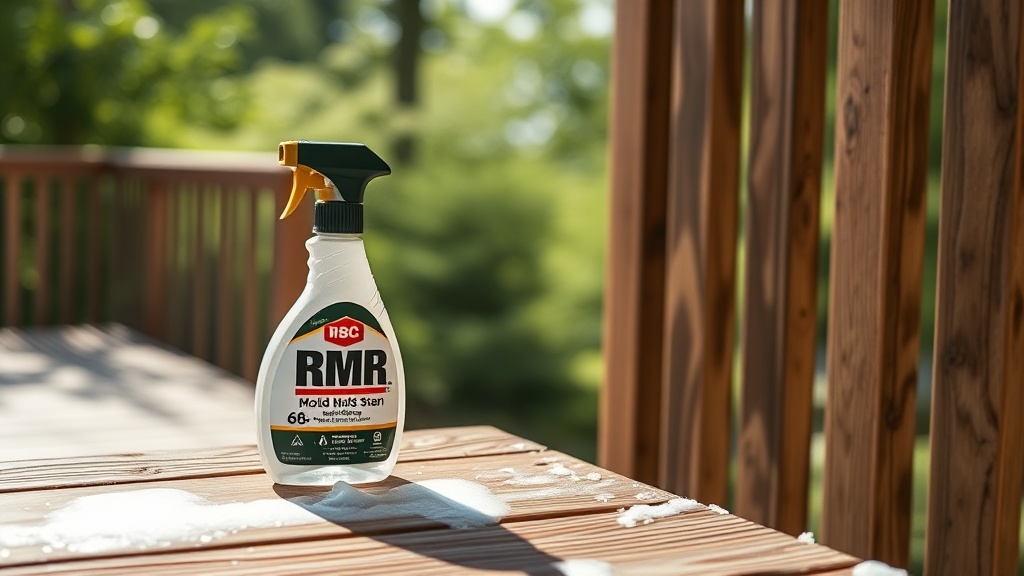
RMR-86 Instant Mold Stain Remover is a powerful, bleach-based formula designed to eliminate mold and mildew stains on contact. When applied to wood surfaces, the active ingredient, sodium hypochlorite, penetrates the porous wood fibers to break down mold spores and organic stains. The gel-like consistency clings to vertical surfaces, allowing dwell time without excessive dripping. Users can expect visible results within 15 to 30 seconds, as the stain lifts and the surface brightens. However, it’s crucial to understand that RMR-86 does not penetrate deeply into wood; it works primarily on surface and shallow subsurface stains. For deeper mold infestations, you may need to follow up with physical sanding or treatment.
What Wood Types Are Safe to Treat with RMR-86?
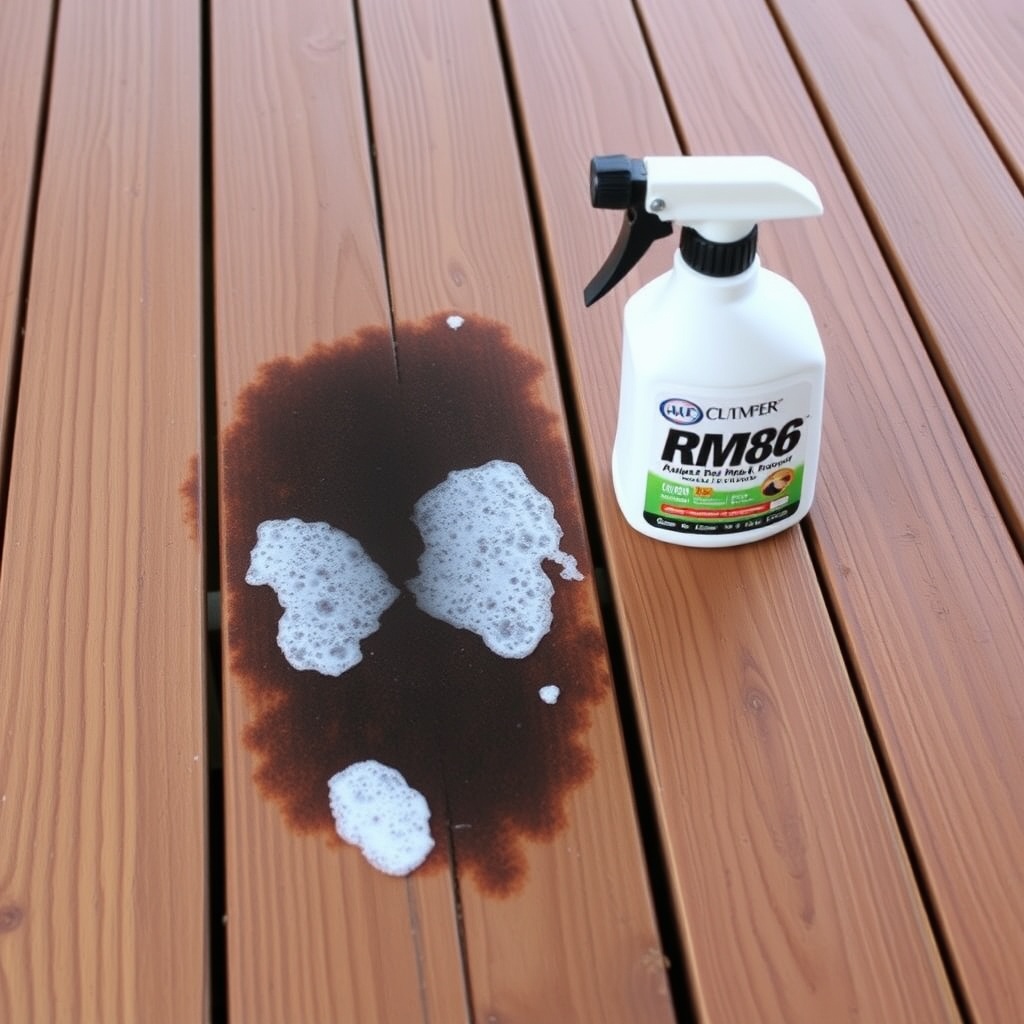
Not all woods tolerate bleach-based cleaners equally. RMR-86 is safest on untreated, sealed, or painted wood surfaces. Suitable wood includes:
- Pressure-treated lumber (commonly used in decks and fences)
- Hardwoods like oak, maple, and teak (when sealed)
- Softwoods such as cedar and pine (when previously painted or varnished)
- Wooden furniture with a polyurethane or lacquer finish
Avoid using RMR-86 on raw, unfinished, or unsealed wood. The bleach can cause wood fibers to swell, leading to grain raising, discoloration, or a whitish haze that is difficult to reverse. Additionally, never apply RMR-86 to wood treated with oil-based stains or waxes, as the chemical reaction may strip the finish unevenly. Always test on an inconspicuous area first.
Step-by-Step Application on Wood Surfaces
To achieve optimal results with RMR-86 on wood, follow this structured process:
- Prepare the area: Ventilate the space by opening windows and doors. Remove any loose debris or dust from the wood surface using a dry brush or vacuum.
- Apply RMR-86: Shake the bottle well. Spray the gel directly onto the mold-stained wood from a distance of 6–8 inches. Cover thoroughly but avoid pooling.
- Let it sit: Allow the solution to dwell for 15–30 seconds. Do not scrub immediately. The foaming action lifts stains naturally.
- Rinse or wipe: Use a clean damp cloth or a garden hose with gentle water pressure to rinse the residue. For vertical surfaces, a spray bottle with clean water works well.
- Dry completely: Use a dry towel or allow the wood to air dry for several hours. Ensure no moisture remains to prevent future mold growth.
- Apply sealant (optional): For unprotected wood, consider applying a wood sealant or waterproofing product after the surface is dry.
What Are the Risks and Precautions for Wood?
While RMR-86 is effective, it presents several risks when used on wood:
| Risk | Description | Prevention |
|---|---|---|
| Bleaching | Prolonged contact can lighten wood color unevenly | Limit dwell time to 30 seconds max; rinse thoroughly |
| Grain raising | Moisture from the gel can swell wood fibers | Sand lightly after drying if grain feels rough |
| Finish damage | Strips varnish, paint, or stain | Test on a hidden spot; avoid on delicate finishes |
| Residue | White chalky marks may remain if not rinsed | Rinse with clean water immediately after treatment |
| Respiratory irritation | Bleach fumes are strong in enclosed spaces | Wear a mask; ensure cross-ventilation |
For additional safety measures, refer to our guide on What Protective Gear Do You Need When Using RMR-86?. The article details goggles, gloves, and mask recommendations essential for handling this chemical on porous surfaces.
Can RMR-86 Be Used on Interior Wood Furniture?
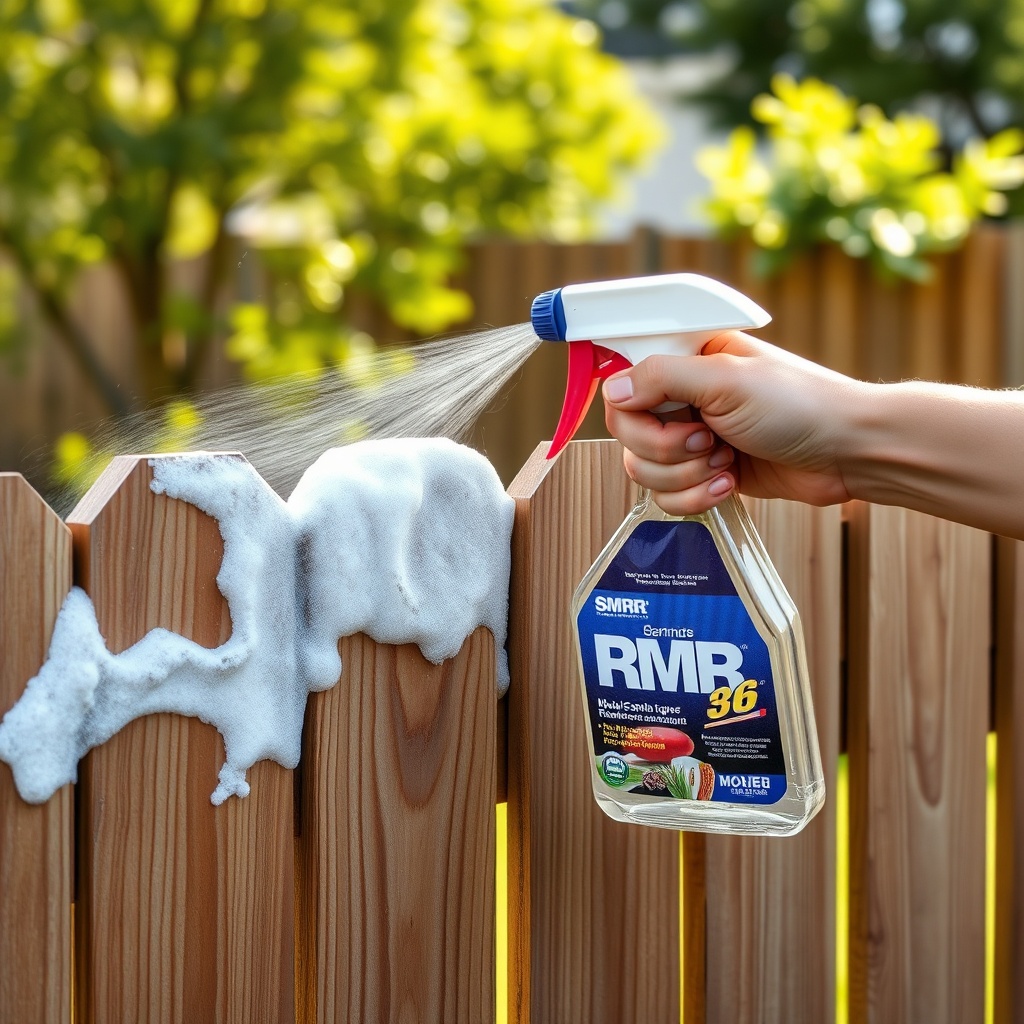
Yes, but with caution. Interior wood furniture like cabinets, tables, and shelves can benefit from RMR-86 if they have mold stains. However, the furniture must be sealed or painted. Unfinished wood pieces may sustain damage. Apply sparingly and test in a hidden area such as the back of a drawer. For bathroom cabinets where mold often thrives, our detailed walkthrough Using RMR-86 Instant Mold Stain Remover on Bathroom Mold: A Step-by-Step Guide offers tailored advice for confined spaces. After treatment, wipe the surface with a mild soap solution to neutralize the bleach, then dry thoroughly to prevent warping.
How Does RMR-86 Compare to Other Mold Removers for Wood?
RMR-86 stands out for its speed, but it’s not the only option. Compared to natural solutions like vinegar or hydrogen peroxide, RMR-86 works in seconds rather than hours. However, those alternatives are gentler on wood. For a detailed analysis, read our comparison RMR-86 vs Concrobium Mold Control: Which Works Better?. Concrobium is a non-bleach option that encapsulates mold without damaging wood fibers, making it safer for unfinished surfaces. RMR-86 is better for severe stains on sealed wood where immediate visual results are needed.
What Owners Say
Homeowners on forums like Reddit and product review sites frequently praise RMR-86 for its instant stain removal on wood decks and fences. A user in Florida noted, “After one spray, the black mold on my pressure-treated deck vanished. I had to rinse quickly to avoid white spots, but the result was amazing.” Another owner cautioned, “It messed up my unfinished pine bench—left a white haze. Stick to sealed wood.” Common themes include satisfaction with mold removal speed but warnings about residue. Many recommend pairing it with a stain-resistant sealant afterward. For an in-depth perspective, see our full RMR-86 Instant Mold Stain Remover Review: Is It Worth It?.
Frequently Asked Questions
Can I use RMR-86 on pressure-treated wood?
Yes. Pressure-treated wood is chemically stabilized and typically reacts well. Rinse within 30 seconds to avoid whitening.
Will RMR-86 remove black mold from wood permanently?
It removes surface stains instantly, but deep-rooted mold may require sanding or repeated treatments. Killing mold requires ensuring the wood is kept dry afterward.
How long should I let RMR-86 sit on wood?
For wood, keep dwell time under 30 seconds. Longer exposure can cause discoloration or grain damage.
Do I need to sand wood after using RMR-86?
Not always. If the wood feels rough or the finish is uneven, light sanding with 220-grit sandpaper can smooth the surface. Otherwise, simply rinse and dry.
Can I mix RMR-86 with water for wood treatment?
No. The product is ready to use. Diluting it reduces effectiveness and can leave uneven results. Always apply full strength as directed.
What’s the cost of RMR-86 for a wood deck project?
A 32-ounce bottle costs around $17–$20, covering roughly 125–150 square feet. For a standard 200-square-foot deck, you may need two bottles.